




Antique Oak Cradle
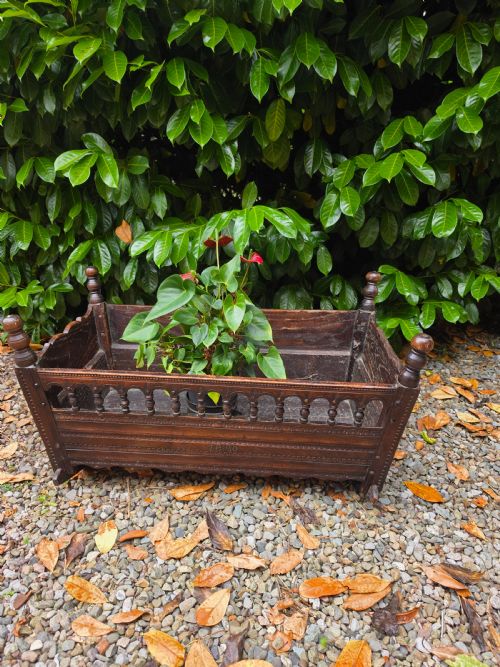
An antique oak cradle brings centuries of domestic history into a room, offering sturdy timber construction and tactile joinery that still rocks smoothly today.
Antique Oak Cradle
When you search for an antique oak cradle, you encounter centuries of domestic woodwork designed to soothe infants. These pieces span from the sixteenth century through the Georgian era and into the nineteenth century.
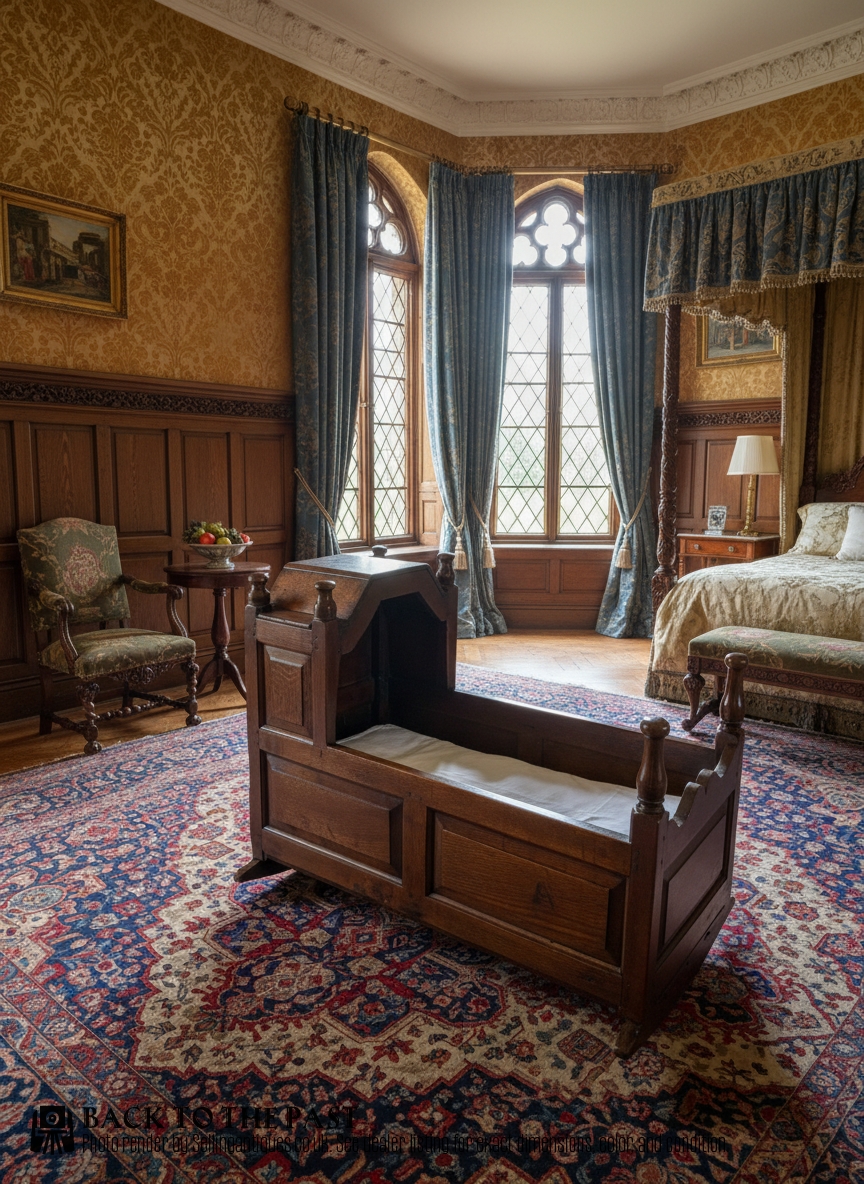
The versions most frequently met on this page are sturdy rocking cribs featuring panelled construction and traditional wooden rockers. Many examples incorporate fruitwood or pine elements alongside the primary timber.
Makers historically produced these domestic items for family use, resulting in forms that range from hooded Elizabethan designs to simple nineteenth century rocking variants. Collectors also encounter related treen objects such as cheese coasters listed alongside the main cradle types.
What varies in quality
Quality rests upon the integrity of the original timber and the crispness of the panelled joinery. Pieces retaining their original rockers and authentic surface patination stand apart from heavily altered examples.
The depth and execution of period carving distinguish standard vernacular items from finer workshop output. Construction methods that respect traditional joinery indicate superior craftsmanship across all production periods.
Antique Oak Cradle Retail Price Guide 2026
Typical asking prices for oak cradle among the pieces listed under this phrase on Sellingantiques today, from the lower quarter to the upper quarter. They describe what is for sale here now, not the wider market.
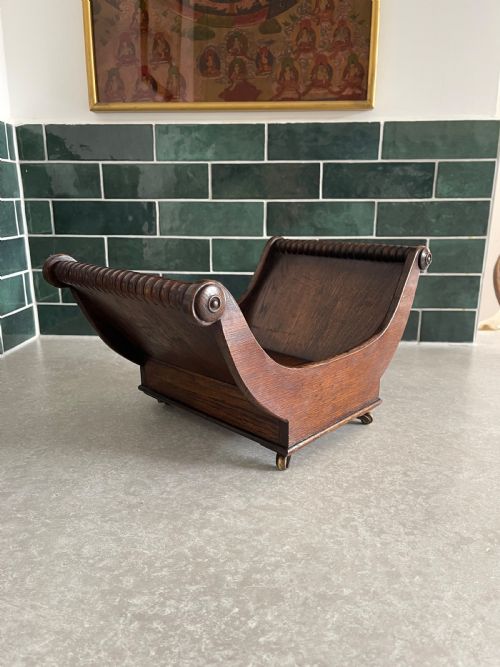
One robust Victorian oak rocking cradle arrives with a practical secondary suggestion from the past: make a good log basket.
The Antique Oak Cradle Glossary
- Panelled crib
- A sleeping vessel constructed with wooden panels fitted into grooved framing uprights. This method allowed the timber to expand and contract naturally without splitting.
- Field panel
- A raised wooden insert with bevelled edges designed to add depth and visual interest to furniture surfaces. Craftsmen used this technique extensively on seventeenth century examples.
- Rockers
- Curved wooden base attachments that allow the cradle to sway back and forth. These components bear the brunt of physical movement and often show replacement or repair.
- Hood
- A protective canopy framework built over the head end of the cradle to shield the infant from draughts. This feature appears on earlier Elizabethan and seventeenth century forms.
- Treen
- Small handmade wooden household objects and utensils. The category encompasses domestic items like cheese coasters encountered alongside larger furniture pieces.
Antique Oak Cradle: Frequently Asked Questions
How do I date an oak cradle?
Dating relies on examining the construction techniques, hardware, and stylistic motifs present in the woodwork. Earlier pieces exhibit hand-riven timber and pegged joinery typical of the sixteenth and seventeenth centuries.
Later nineteenth century examples often display machine-sawn elements and different fastening methods. Comparing the panelling style to established vernacular furniture helps narrow down the period of origin.
Were these cradles used for sleeping?
These pieces served as functional infant beds in historical households, designed to keep babies safe and close to hand. The addition of rockers allowed parents to soothe restless infants manually.
Today, modern safety standards mean these items function primarily as decorative display pieces or alternative storage holders rather than infant beds.
What is the difference between a cradle and a crib?
In historical terminology, cradles typically incorporate a rocking mechanism or curved base designed for swaying motion. Cribs historically referred to enclosed wooden sleeping frames, though terms overlap in antique listings.
Both forms utilise heavy oak framing to provide stability during daily domestic use.
How do I care for antique oak?
Maintaining antique oak requires stable indoor humidity levels and protection from direct sunlight or excessive heat sources. Sudden environmental changes cause timber to dry out and split.
Applying a traditional beeswax polish occasionally helps nourish the surface and preserve the natural patination built up over centuries.