


Antique Wooden Crib
An antique wooden crib offers a tangible link to domestic history, providing solid timbers and rocking forms that bring warmth to any interior.
Antique Wooden Crib
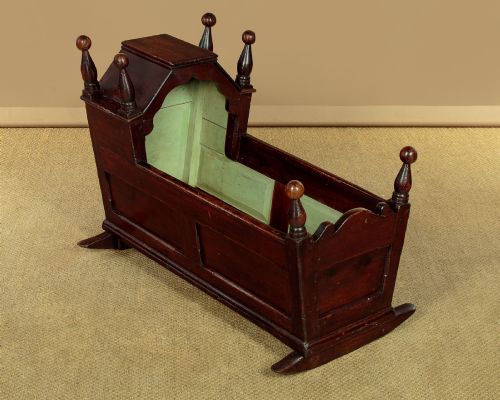
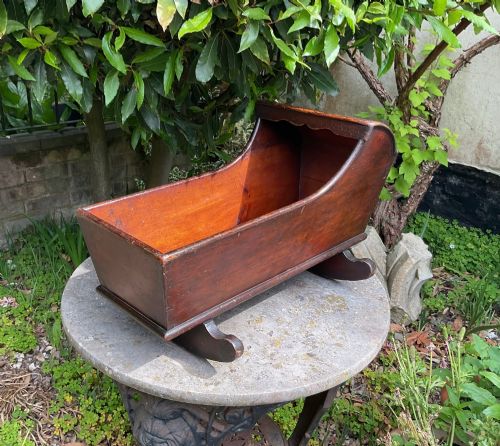
An antique wooden crib is a traditional infant bed designed with curved rocking feet or fixed panelled sides, often taking the form of a low cradle. When you search for an antique wooden crib, you encounter items built across several centuries, stretching from the seventeenth century through the Georgian and Victorian eras.
The pieces most commonly met on this page are sturdy oak panelled cradles and simpler pine versions, alongside occasional mahogany and painted examples. These objects range from full-sized infant beds down to smaller doll furniture variants and miniature display pieces.
Origins vary from English regional workshops to Scandinavian country environments and occasional nineteenth century adaptations. Buyers frequently utilise them today as decorative focal points, log holders, or distinctive interior accessories.
How they were made
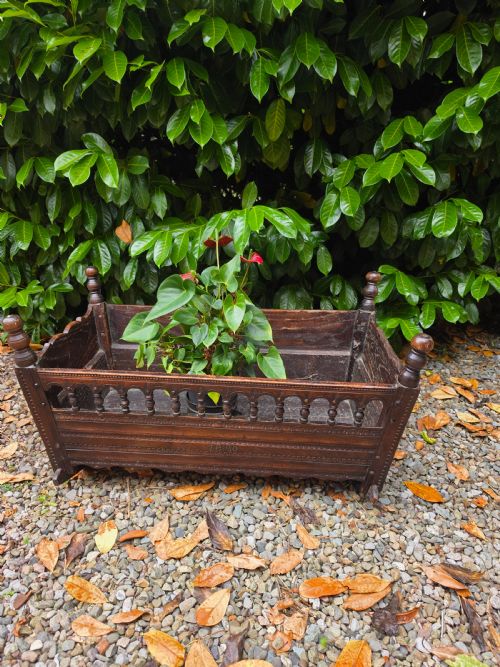
Makers utilised solid native timbers such as oak, pine, and mahogany, constructing the framework with traditional joinery like panelled walls and pegged joints. Many examples incorporate applied mouldings or carved details.
Surface treatments include original blue paint, dark wax finishes, and decorative lacquering, while hardware elements frequently involve brass or metal fixings alongside cane and rattan weaving.
Rocking mechanisms depend on curved wooden rockers attached to the base, allowing the entire structure to sway smoothly from side to side.
One particularly versatile Victorian carved oak rocking cradle is thoughtfully suggested by its seller to double as a good log basket.
What varies in quality
Quality rests in the selection of timber and the integrity of the original construction, distinguishing robust seventeenth century oak panels from later pine alternatives. Finer items retain their early surface patination and untouched structural timber.
The sophistication of the carving and joinery dictates the upper tier of the range, separating plain utilitarian boxes from master-carved panelled showpieces with integrated hoods.
The Antique Wooden Crib Glossary
- Rocking cradle
- A low infant bed fitted with curved wooden bases that permit a gentle swaying motion. This form dominates the earlier centuries of domestic furniture.
- Panelled crib
- A bed constructed using framed wooden stiles and recessed panels that provide structural rigidity. These often display pegged joinery typical of seventeenth century cabinet making.
- Hooded cradle
- A resting place featuring an enclosed canopy or raised top over the head end to shield infants from draughts. They represent more elaborate domestic commissions.
- Metamorphic cot
- An adaptable piece of furniture designed to transform between different configurations or heights. These appear more frequently in the Victorian period.
Antique Wooden Crib: Frequently Asked Questions
How do I date an antique wooden crib?
Dating relies upon examining the timber species, joinery techniques, and surface patination present on the frame. Seventeenth century pieces typically display pegged oak panelling, whereas nineteenth century versions often utilise stained pine or mahogany.
Secondary clues include the presence of original painted finishes or applied hardware. Comparing the structural style against known period furniture helps narrow the manufacturing decade.
Can I use an antique crib for an infant?
Most antique wooden cribs are sold as decorative items or collectors' pieces rather than modern nursery equipment. Safety standards and dimensions have changed significantly over the centuries.
Buyers usually repurpose these items for display, storage, or interior styling rather than active sleeping use. Assessing the physical stability of the structure is essential before any heavy domestic application.
What woods were used in these cribs?
Oak is the predominant timber found in the earlier seventeenth and eighteenth century examples, valued for its strength and availability. Pine appears frequently in regional British and Scandinavian country pieces, often left plain or given an applied painted finish.
Mahogany and kingwood emerge during the Victorian era as cabinet makers adopted more exotic materials. Occasional fruitwood accents also supplement the primary structural timbers.
How do I maintain the wooden surface?
Maintenance involves keeping the timber away from direct heat sources and rapid humidity shifts that can cause splitting. Applying a light microcrystalline wax periodically helps preserve the existing patination.
Avoid harsh modern cleaning chemical sprays that strip historic finishes. Gentle dusting with a dry cloth keeps the surface stable over time.