



18th Century Cradle
An 18th century cradle brings tangible history and rich timber grain into a modern home.
18th Century Cradle
When you search for an 18th century cradle, you enter a field dominated by vernacular furniture made from solid local timbers. The pieces recorded in these records encompass sturdy oak cribs on rockers alongside regional pine examples with surviving painted surfaces.
The objects span the Georgian era and the broader 18th century, appearing both in formal mahogany interpretations and robust country workshops. Collectors often encounter Welsh and West Country origins alongside pieces simply designated by their century.
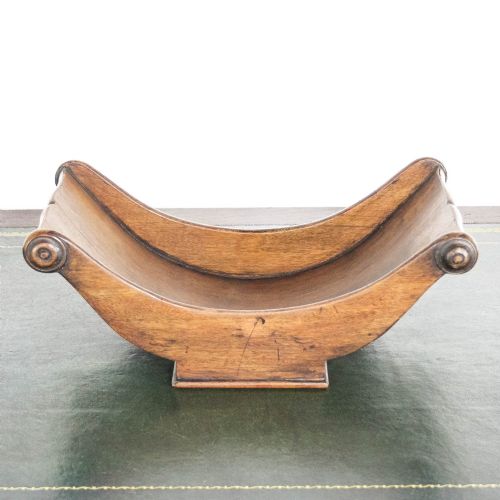
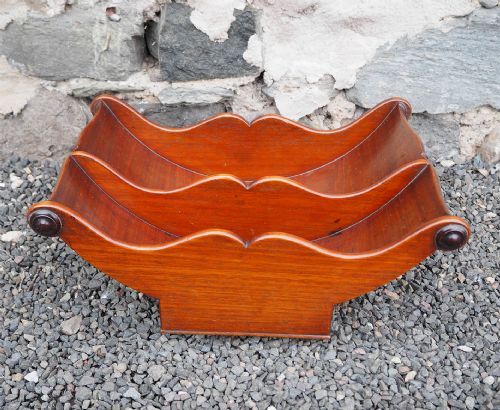
Beyond traditional infant sleep furniture, the listings also reveal occasional wine cradles and cheese coasters sharing the name and period. The primary focus for most buyers remains the wooden rocking crib designed for domestic nurseries.
Materials and Construction
Makers built these pieces primarily from solid oak, mahogany, pine, and fruitwood, selecting timber based on regional availability and workshop tradition. Oak provided structural durability for country cribs, while mahogany suited the refined tastes of Georgian dining accessories.
Rocking mechanisms relied on shaped wooden rockers attached to the base, allowing the crib to sway smoothly. Surface treatments ranged from polished hardwoods to original paint, such as the blue pigment found on Welsh pine examples.
Listings feature oak, mahogany, pine, and fruitwood alongside brass, bone, and original paint.
Judging Quality
Proportion and construction detail also define the upper tier of the range. Fine joinery and balanced proportions separate vernacular masterpieces from utilitarian workshop output.
The 18th Century Cradle Glossary
- Rockers
- Curved pieces of wood attached to the base of a crib to allow smooth motion. They are integral to the function of traditional cradles.
- Vernacular
- Everyday furniture made by local craftsmen rather than metropolitan workshops. These pieces reflect regional traditions and materials.
- Patina
- The surface sheen and deep colour developed by wood over centuries of handling and exposure. It serves as a key indicator of age and authenticity.
- Treen
- Small handmade wooden household objects. The category often intersects with domestic wooden accessories of the period.
18th Century Cradle: Frequently Asked Questions
Were these cradles used for sleeping?
These wooden cribs served as primary infant beds in domestic homes during the Georgian period. Their rocking action helped soothe infants to sleep.
Today, collectors appreciate them primarily as decorative objects or sculptural statements within historic interiors.
How do I identify a Georgian piece?
Georgian furniture is defined by the prevailing design characteristics of the reigns of the Georges, spanning the 18th and early 19th centuries. Look for traditional timber selection and period construction methods.
Regional pieces often display distinctive local characteristics rather than formal metropolitan styling.
What woods were commonly used?
Makers utilised native and imported hardwoods alongside softer timbers depending on the region. Oak and fruitwood dominated country workshops, while mahogany appeared in more formal contexts.
Pine was frequently selected when the surface was intended to be painted.