


Brown Wooden Crib
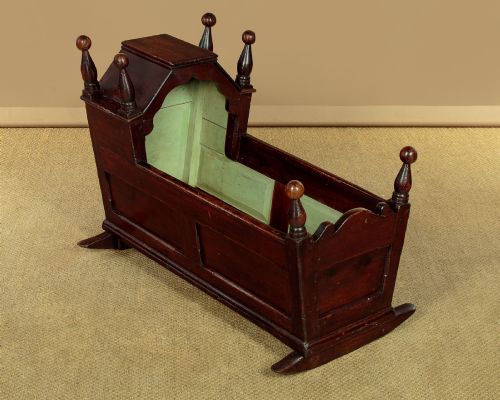
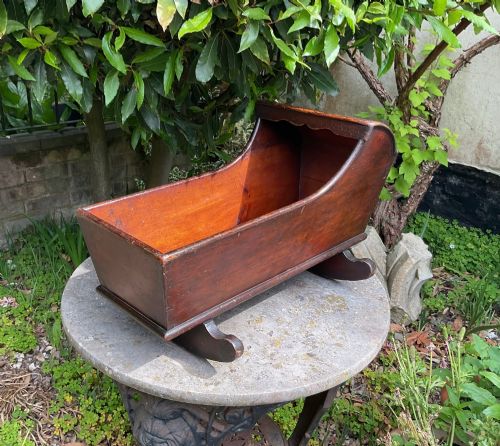
These brown wooden crib pieces are centuries-old cradles and doll furniture built from oak, pine, and mahogany.
Brown Wooden Crib
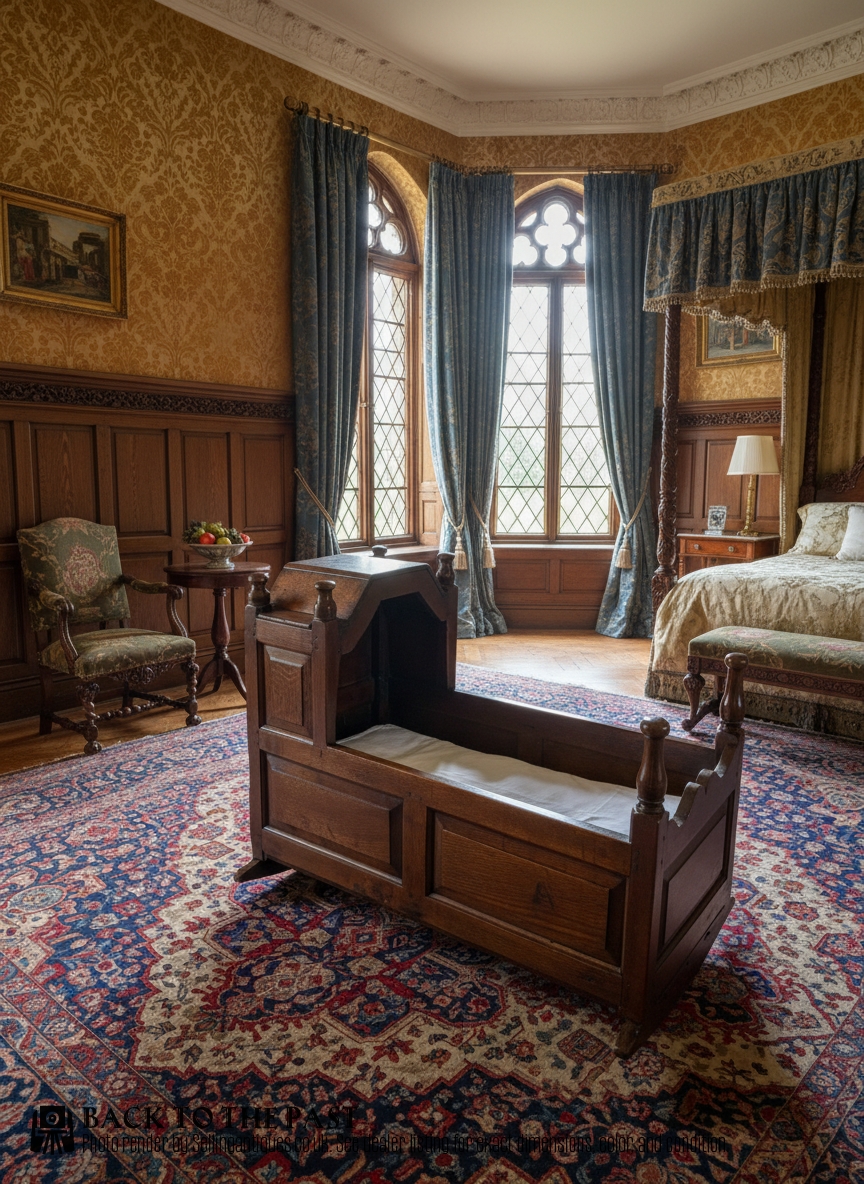
When you search for a brown wooden crib, you encounter antique cradles, miniature furniture, and doll beds spanning several centuries. The selections range from sturdy 17th century oak panelled rocking cribs to smaller 19th century pine doll pieces.
Most examples function as rocking cradles or small beds, often featuring hoods or panelled construction. You also find related items such as mahogany cribbage boards and games boxes grouped under the broader category.
The physical origins stretch across English and Victorian country styles alongside occasional continental or Qing Dynasty items. Oak and pine dominate the material makeup of full-sized infant beds, while mahogany appears in later Victorian variations.
How they were made
Carpenters constructed these items primarily from solid timber like oak, pine, and mahogany using traditional joinery methods suited for panelled sides and rocking bases. Selected pieces incorporate cane or rattan work for ventilation panels alongside painted pine surfaces.
Makers integrated curved rockers beneath the main body to allow a smooth swinging motion for infants or doll furniture. Panelled construction and fitted hoods provide structural integrity and shelter in the older 16th and 17th century examples.
Some miniature doll beds share the exact joinery details of full-sized infant furniture.
What varies in quality
The degree of craftsmanship shows in the depth of panel carving and the precision of the timber joints. Early William and Mary oak cradles display intricate woodwork that contrasts with simpler pine country pieces.
Condition and originality dictate the standing of an item, particularly regarding the survival of original rockers, cane work, and painted finishes. Pieces retaining their structural integrity and early surfaces hold greater presence.
Heals and son
The Brown Wooden Crib Glossary
- Rocking crib
- A low infant bed fitted with curved wooden runners underneath to allow swaying. These typically date from the Georgian and Victorian eras.
- Panelled construction
- A method of joining wooden boards where thinner central panels float within sturdy grooved frames to accommodate wood shrinkage. This technique appears frequently on older oak cradles.
- Caned
- Woven rattan or cane material stretched across a wooden frame to form ventilated panels. This method surfaces on Victorian beds and rocking cribs.
- Hood
- A protective canopy structure built over the head end of an early cradle to shield infants from drafts. Elizabethan and later oak pieces often incorporate this feature.
Brown Wooden Crib: Frequently Asked Questions
How do I identify an oak panelled crib?
Oak panelled cribs typically display pegged frame joints and recessed wooden panels along the sides. They often date to the 17th century or earlier.
Look for heavy timber construction, natural dark patination, and fitted hoods that shelter the head of the bed.
Were these cribs used for babies?
Full-sized versions served as infant sleeping quarters in domestic settings, featuring rockers to soothe children. Smaller items functioned as doll furniture.
Both types utilise period joinery like pine or oak boards adapted to the scale of the intended occupant.
What materials are common in these pieces?
Oak and pine form the majority of the wooden frames, particularly on pieces from the 17th and Georgian periods. Mahogany and painted finishes emerge more frequently in later 19th century items.
Additional materials include cane for woven panels and occasional lacquer work on imported items.