




Victorian Wooden Cradle
A victorian wooden cradle brings genuine nineteenth-century warmth into a room, offering a tactile piece of domestic heritage.
Victorian Wooden Cradle
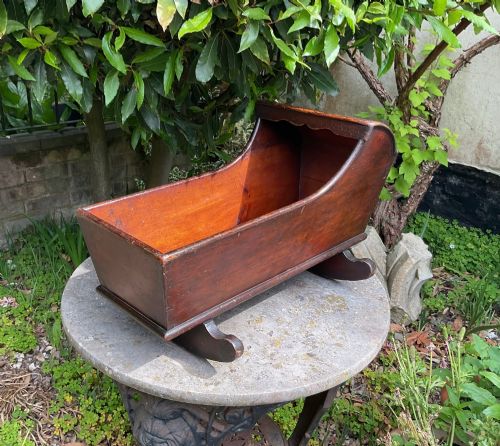
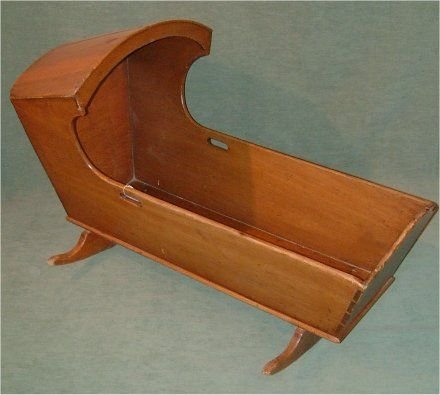
A victorian wooden cradle is a domestic rocking bed designed for infants, appearing in forms ranging from full-sized nursery pieces to small doll furniture and miniature versions. Buyers searching for a victorian wooden cradle will encounter full-sized rocking variants alongside compact items like doll cradles and miniature beds.
The materials and styles span periods from the seventeenth century up to the Victorian era, utilising pine, oak, and mahogany alongside cane panels and canopy tops. Many items show regional or rustic influences, including folk art treatments and painted finishes.
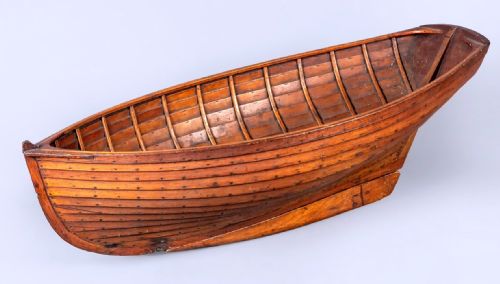
Rocking mechanisms define these pieces, usually taking the form of curved wooden rockers attached to the base or structured boat hull designs. Some examples feature metamorphic or specialised functions, adapting the basic cradle format into cots or alternative household containers.
Construction and Materials
Makers utilised sturdy hardwoods like oak and mahogany alongside softer timbers such as pine, constructing panels and frames joined by traditional methods. Surface treatments range from plain polished wood to painted finishes and carved decorative details.
Caned panels incorporated woven cane for breathable sides, while metal and brass hardware provided structural reinforcement and movement for rocking components. Upholstery fabrics occasionally supplemented the wooden frames to provide soft linings for the interior.
Listings feature oak, pine, and mahogany timbers alongside cane panels and brass hardware across the Victorian and earlier periods.
Assessing Quality and Execution
Quality rests in the selection of timber and the precision of the joinery, distinguishing sturdy domestic pieces from simpler utilitarian items. Finer examples display careful carving, balanced rocking curves, and integrated caning rather than rough assembly.
The integrity of the original structure and the preservation of surface finishes dictate the desirability of a piece. Alterations to rockers or replacement panels shift a piece away from its original state.
Heals and son
The Victorian Wooden Cradle Glossary
- Rockers
- Curved wooden strips attached to the base of a cradle to allow it to sway back and forth. They permit gentle motion to soothe an infant.
- Canopy top
- An overhead structure attached to a cradle to support fabric drapes. This feature sheltered the occupant from drafts in older homes.
- Cane
- Woven material made from rattan plants, utilised for breathable side panels. It provides a lightweight alternative to solid wooden sides.
- Metamorphic
- Design that allows an object to transform into another form, such as a cot converting into a different furniture piece. These multifunctional items utilised clever hinges and folding mechanisms.
Victorian Wooden Cradle: Frequently Asked Questions
How were these cradles used?
These pieces served as infant beds designed to be rocked manually by parents to soothe babies to sleep. Their portable nature allowed them to be moved easily between rooms in the home.
Today, buyers frequently repurpose them as display items, toy storage, or decorative plant holders within living spaces.
Are these safe for modern infants?
Most antique cradles do not meet contemporary safety standards regarding slat spacing, drop sides, and structural stability. They are intended primarily for decorative display or collectors.
Using them for actual sleeping infants requires careful professional evaluation and modern bedding modifications.
How do I clean wooden frames?
Maintenance requires gentle dusting with a dry cloth and occasional application of appropriate beeswax to nourish the timber. Avoid harsh chemical cleaners that can strip historic finishes.
Caned sections need careful cleaning with a soft brush to remove dust from the woven interstices without causing breakages.
What woods were commonly used?
Cabinetmakers selected local and imported timbers depending on the intended finish and cost. Oak and mahogany provided strong frames for finer items.
Pine served as a practical, accessible wood for everyday domestic nursery furniture, often receiving painted finishes.