




Victorian Baby Crib
These Victorian baby crib pieces are nineteenth-century nursery furniture designed for rocking infants, offering traditional craftsmanship and period character for modern homes.
Victorian Baby Crib
A victorian baby crib serves as a traditional infant bed, commonly constructed with a rocking mechanism to soothe babies to sleep. These pieces originate primarily from the nineteenth century, encompassing styles from the Victorian era alongside Edwardian and William IV periods.
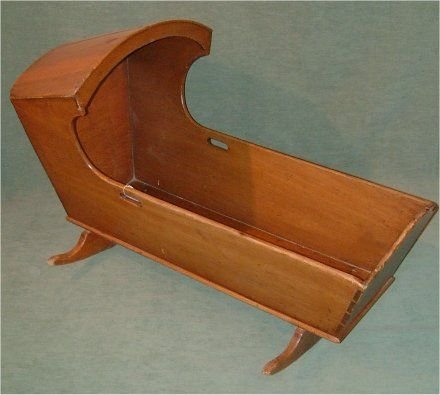
Buyers on this page most frequently encounter wooden rocking cradles and cribs, with oak, mahogany, and pine representing the primary materials used by makers. Designs range from simple panelled country pieces to elaborate carved or fretwork frames.
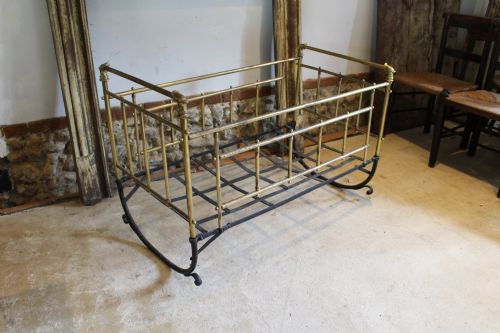
Alternative forms include brass and wrought iron rocking cribs, as well as specialised items such as caned cane and mahogany designs or canopy-topped pine cradles. Certain pieces also reflect revival aesthetics, including Jacobean Revival and Victorian Gothic Revival influences.
How they were made
Carpenters and cabinetmakers utilised solid hardwoods like oak and mahogany alongside utilitarian softwoods such as pine to build the main frames and rocking bases. Joinery techniques varied from sturdy panelled construction to carved detailing and pierced fretwork.
Metal versions relied on durable brass and wrought iron, providing robust alternatives to timber frames. Additional textural elements included cane and rattan panels, alongside upholstered interiors for infant comfort.
Victorian Baby Crib Retail Price Guide 2026
Typical asking prices for victorian baby crib among the pieces listed under this phrase on Sellingantiques today, from the lower quarter to the upper quarter. They describe what is for sale here now, not the wider market.
One robust Victorian carved oak rocking cradle comes with the candid recommendation to make a good log basket.
What varies in quality
The choice of materials distinguishes simpler utilitarian pine pieces from finely figured mahogany and elaborately carved oak frames. Superior examples display sophisticated decorative details such as intricate pierced fretwork rather than plain surfaces.
The integrity of the rocking mechanism and the precision of the original joinery affect the structural standing of each piece. Maker attribution, such as retail provenance from established firms, further elevates certain items.
Heals and son
The Victorian Baby Crib Glossary
- Cradle
- A low bed for an infant, typically mounted on rocking feet or pivots to allow gentle motion. These forms appear frequently across nineteenth-century listings.
- Fretwork
- Ornamental design created by cutting patterns through thin wood using a scroll saw or piercing tools. Elaborate versions of this technique decorate select Victorian frames.
- Caning
- Material woven from rattan or cane strips to form breathable panels for furniture sides and backs. This technique appears on specific mahogany and cane cradles.
- Rockers
- Curved wooden pieces attached to the base of a crib to facilitate gentle back-and-forth movement. They are central to the function of most nineteenth-century baby beds.
- Revival
- A stylistic movement where makers deliberately imitate earlier historical eras, such as Jacobean or Gothic periods. These pieces blend older aesthetic motifs with Victorian construction methods.
Victorian Baby Crib: Frequently Asked Questions
Were these cribs used for sleeping?
These nineteenth-century pieces functioned primarily as infant beds designed to keep babies close while providing a gentle rocking motion. The integrated rockers allowed parents to soothe infants without lifting the entire structure.
Modern buyers often repurpose these historical items as decorative nursery displays, toy storage, or alternative household containers.
What woods were used for cribs?
Cabinetmakers utilised durable hardwoods such as oak and mahogany for high-end or formal nursery furniture. These timbers allowed for intricate carving and polished finishes.
Pine served as a common softwood for simpler country pieces, while metals like brass and wrought iron appeared in later Victorian and Edwardian designs.
How does cane differ from wood panels?
Cane involves woven rattan strips stretched across frames to create lightweight, ventilated sides for the infant bed. Solid wood panels utilise tongue-and-groove or flat timber construction for greater structural enclosure.
Caned examples offer a lighter visual appearance compared to heavy oak or mahogany panelled alternatives.