

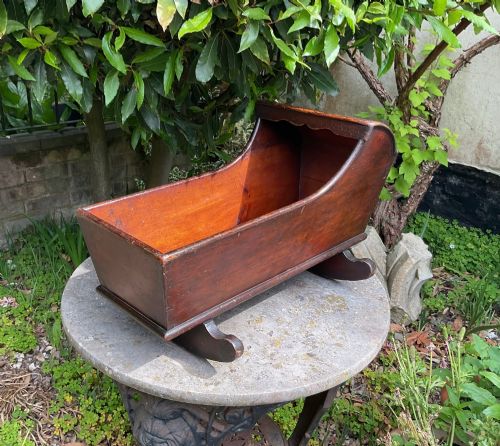



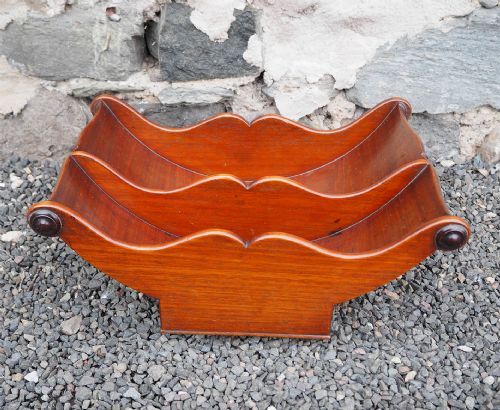


Antique Wooden Cradle
An antique wooden cradle holds centuries of quiet domestic history, offering simple timeless charm to a room.
Antique Wooden Cradle
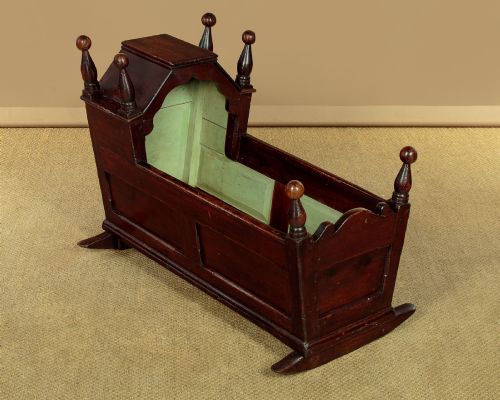
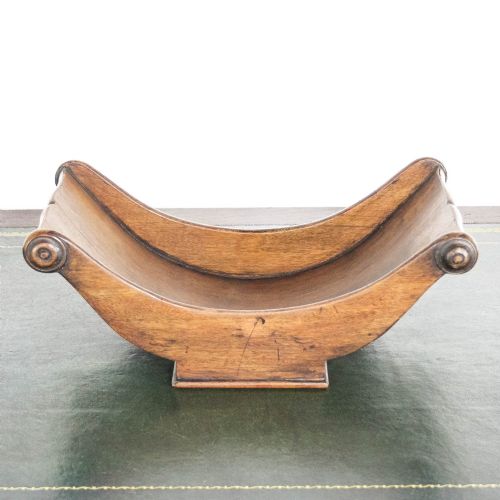
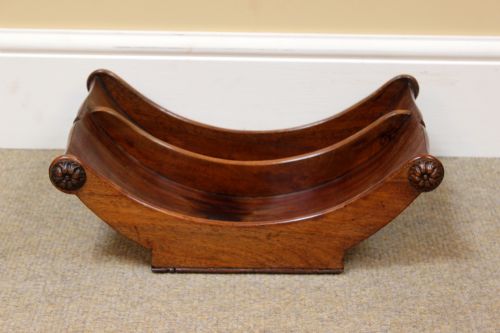
When you search for an antique wooden cradle, you encounter various forms ranging from full-sized infant beds to miniature doll versions and small tabletop cheese coasters. The listings here present pieces primarily from the Georgian, Victorian, and seventeenth-century periods, spanning simple country furniture to more elaborate formal designs.
Full-sized examples appear in sturdy oak, pine, and fruitwood, often featuring rocking mechanisms or panelled construction. Smaller table variations emerge in rich mahogany and walnut, designed specifically for dining service rather than nursery use.
Origin styles vary from English oak panels to Scandinavian country pine and French domestic pieces. Buyers find both hooded child beds and open rocking cribs among the current selection.
Materials and construction methods
Cabinet makers relied heavily on native timbers such as oak, mahogany, and pine, selecting sturdy woods capable of enduring daily nursery or dining room use. Fruitwood and brass accents appear on specific regional and period examples, adding subtle tonal contrast.
Joinery techniques involve traditional panelled construction, hand-carved details, and pegged joints on earlier seventeenth-century and Georgian pieces. Later nineteenth-century versions utilise simpler assembly alongside painted finishes or natural grain polishing.
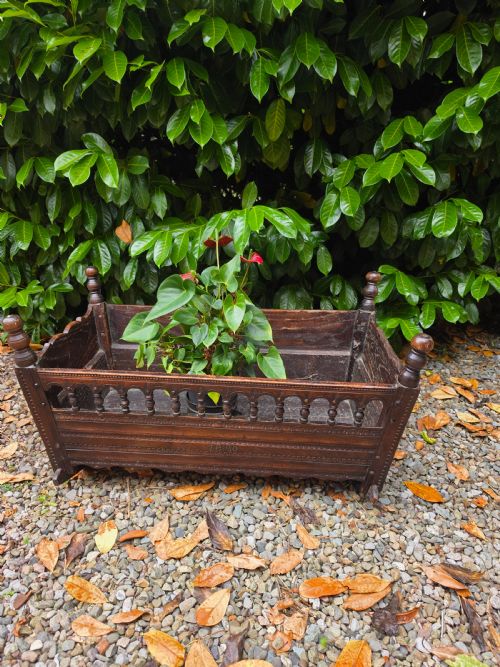
At least one robust Victorian oak rocking cradle is cheerfully suggested by its seller as a suitable log basket.
Factors influencing quality
The distinction between standard utility items and superior examples lies in the crispness of the hand-carved panels, the integrity of the original wood, and the retention of early paint finishes. Finer pieces demonstrate careful timber selection, particularly in figured mahogany coasters or heavily panelled oak cribs.
Proportion and original hardware heavily influence overall desirability. Pieces retaining their original rockers, brass fittings, or authentic surface patination stand apart from heavily restored alternatives.
The Antique Wooden Cradle Glossary
- Cheese coaster
- A small tabletop trolley fitted with rollers, designed to glide along dining tables during dessert service. These frequently share construction traits and timber choices with miniature beds.
- Panelled crib
- A infant bed constructed using framed wooden panels, typical of seventeenth and eighteenth-century cabinet making. This method provided structural strength against warping.
- Rocking cradle
- A bed mounted on curved wooden rockers designed to soothe infants. The mechanism allows gentle motion from side to side.
- Treen
- Small handmade wooden household objects collected for their tactile qualities and age. This category encompasses various small turned and carved wooden pieces found alongside nursery items.
- Metamorphic cot
- A convertible piece of furniture designed to adapt into different forms or sizes as required. These demonstrate clever nineteenth-century mechanical ingenuity.
Antique Wooden Cradle: Frequently Asked Questions
How are antique cradles dated?
Cabinet makers built these pieces using construction methods specific to their era, such as hand-cut peg joints in seventeenth-century oak or mahogany framing in Georgian pieces.
Examining tool marks, timber species, and surface patination helps confirm the approximate decade of manufacture.
Can these cradles still be used for babies?
Modern safety standards for infant sleep differ significantly from historical manufacturing specifications. Contemporary buyers typically repurpose these items as decorative focal points or storage containers.
Many collectors utilise larger wooden cradles to hold blankets, logs, or floral displays within period interiors.
How do I care for antique pine and oak?
Maintaining dry timber involves keeping pieces away from direct heat sources and sudden humidity changes. Regular dusting with a dry cloth preserves the natural wax finish.
Harsh chemical polishes should be avoided to protect the original historical patination built up over centuries.