



Swedish Pine Furniture
Swedish pine furniture brings robust country utility and restrained neoclassical elegance into domestic spaces through pale woods and hand-mixed pigments.
Swedish Pine Furniture
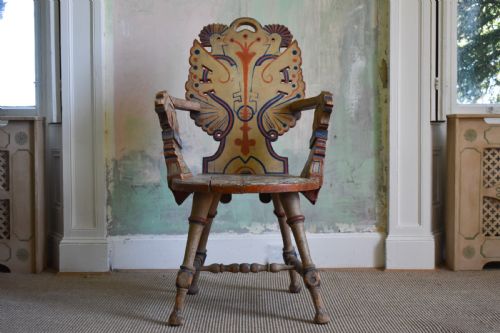
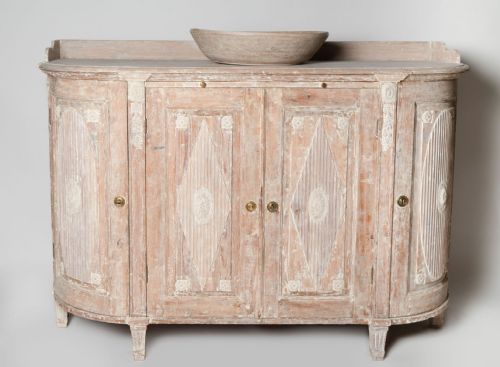
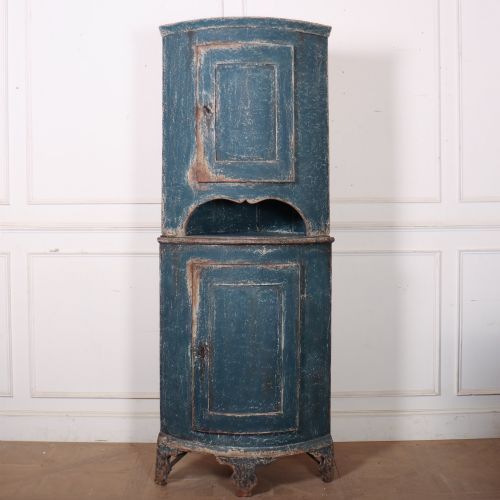
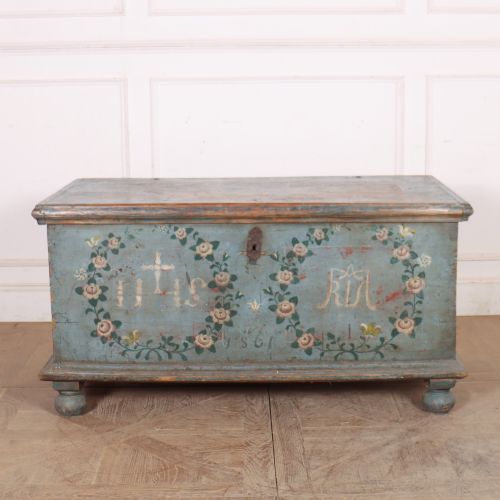
Swedish pine furniture comprises practical domestic items built across the eighteenth and nineteenth centuries, ranging from sturdy kitchen tables to serpentine commodes. Buyers searching for swedish pine furniture encounter diverse regional forms, including marriage chests, corner cupboards, and armchairs.
The nineteenth century provides the largest share of pieces on this page, alongside examples originating in the eighteenth and early twentieth centuries. Styles span from simple Scandinavian country and folk art to formal Gustavian neoclassical designs.
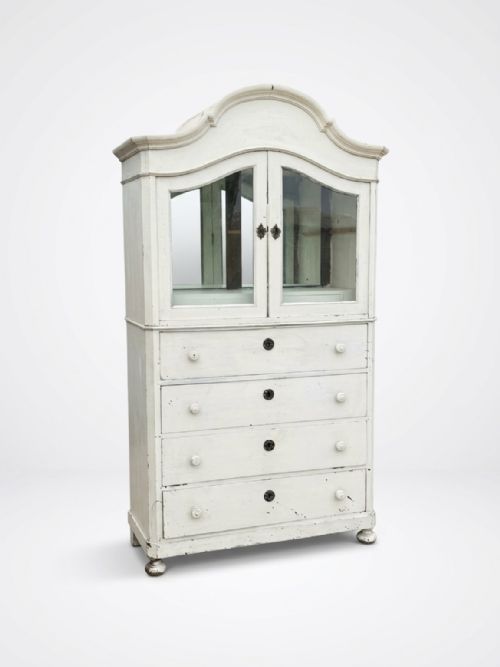
Storage pieces such as chests of drawers and wall cupboards appear frequently alongside dining tables, benches, and workbenches. These objects reflect domestic life in rural and urban Swedish settings across multiple decades.
Materials and Construction
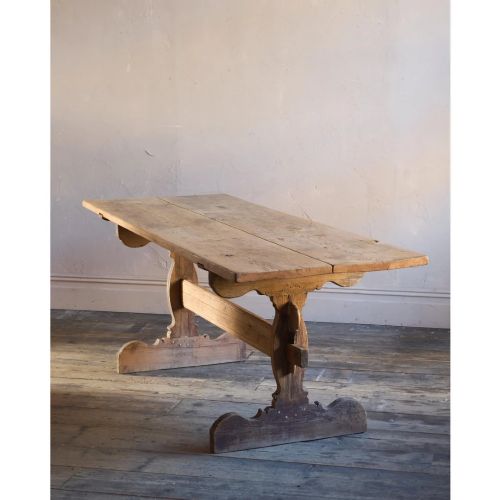
Carpenters utilised softwood timber, primarily pine, paired occasionally with oak, brass, and iron hardware. Boards were shaped into dressers, commodes, and trestle tables using traditional joinery methods suited to abundant local softwoods.
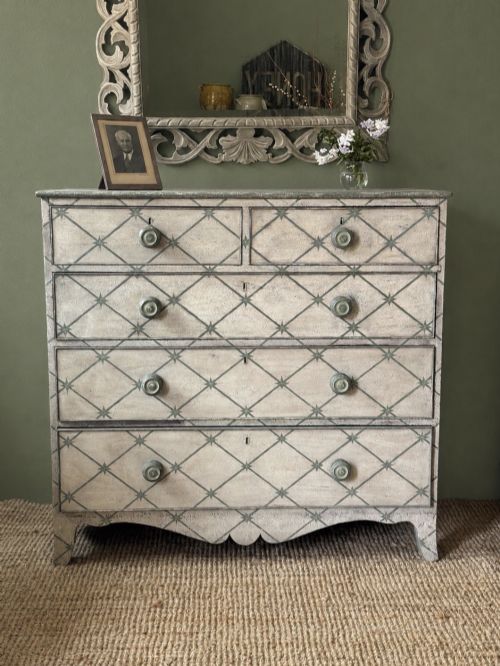
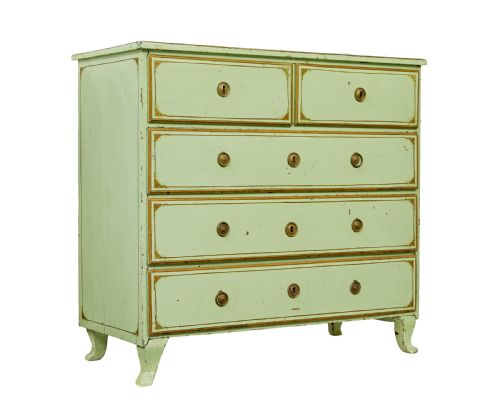
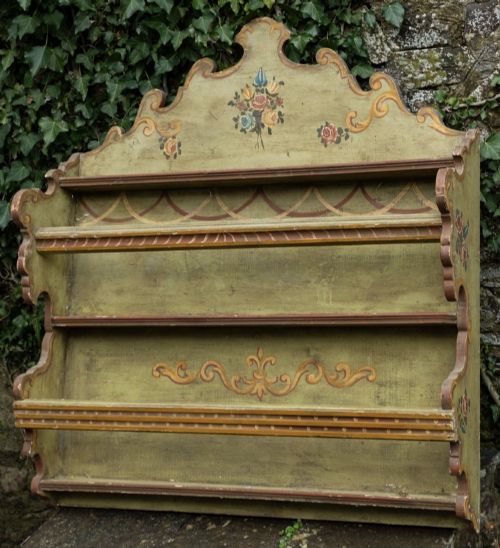
Surfaces frequently received applications of paint, including historic layers and traditional Falu red pigments. Decorative treatments extended to hand-painted motifs and simulated birch finishes that emulated more costly hardwoods.
Listings span periods from seventeen-fifty through nineteen-thirty, encompassing eighteenth-century Gustavian neoclassical commodes and Edwardian wall shelves.
Evaluation and Finish
Distinction across pieces rests upon the survival of original surface treatments, such as scraped paint layers and early hand-mixed pigments. Surfaces retaining their authentic historical character command greater interest than those stripped down to bare timber.
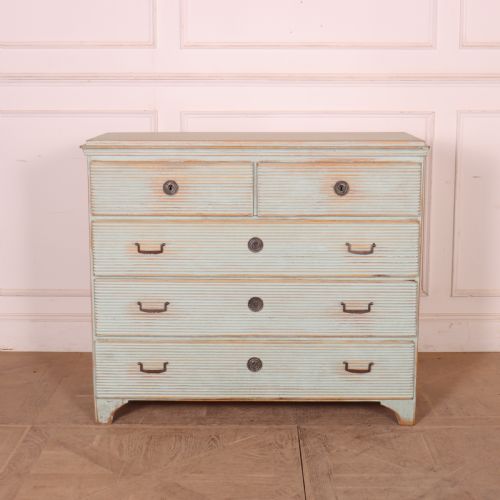
Structural integrity and proportion also separate examples, visible in the handling of fluted drawer fronts, serpentine curves, and bonnet tops. Refined Gustavian Neoclassical commodes demonstrate sophisticated cabinet-making compared to simpler rustic folk art forms.
GEMLA FABRIKERS
The Swedish Pine Furniture Glossary
- Gustavian
- The Swedish neoclassical style spanning the late eighteenth and early nineteenth centuries. It combines French royal influences with a restrained, paler Scandinavian sensibility.
- Falu Paint
- A traditional red paint originating from copper mine waste in Falun, Sweden. It contains copper flakes that protect softwood surfaces from harsh weather.
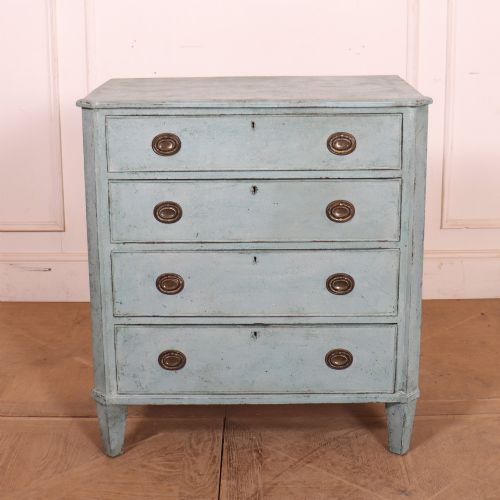
- Commode
- A low cabinet or chest of drawers, often featuring decorative drawer fronts or curved serpentine shapes. These pieces served functional storage roles in formal rooms.
- Slagbord
- A traditional Scandinavian drop-leaf table supported by swinging wooden gates. This form maximised floor space in smaller kitchens and dining areas.
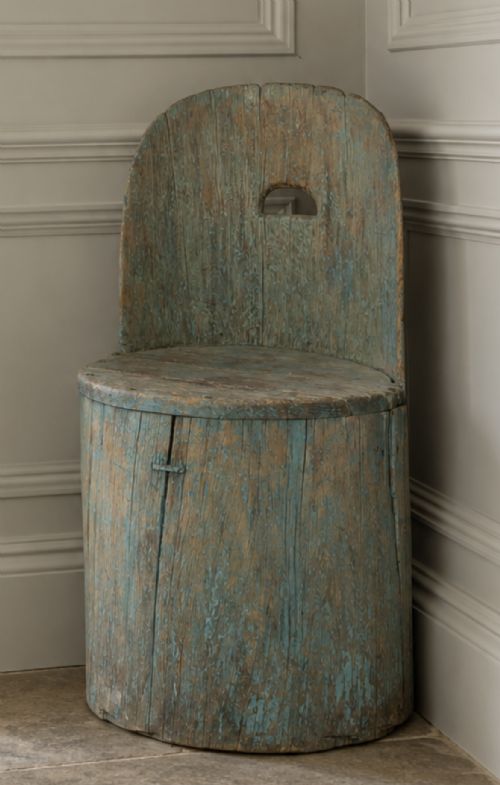
- Dug out chair
- A primitive seating form hewn directly from a single solid log of timber. These rustic chairs represent early domestic craftsmanship.
Swedish Pine Furniture: Frequently Asked Questions
How do I identify Gustavian pieces?
Gustavian pieces display neoclassical symmetry, fluted details, and restrained carved ornamentation influenced by French design. They often feature pale grey or white painted finishes rather than dark wood tones.
These items date from the late eighteenth century onwards and tend to present a more formal appearance than standard rustic folk furniture.
What is Falu red paint?
Falu red is a traditional matte paint derived from copper mine residue in central Sweden. It creates a distinctive deep red surface that preserves softwood.
Carpenters applied this mixture to exterior and interior woodwork for both its protective qualities and its rich colour.
How were these tables used?
Kitchen and dining tables served central roles for daily meals, food preparation, and household work. Trestle and drop-leaf designs allowed tables to be moved or adjusted as needed.
Workbenches and bakers tables provided dedicated surfaces for domestic production and trade tasks in rural homes.
Are painted finishes original?
Many pieces retain historic painted surfaces, sometimes discovered beneath later layers through careful scraping. Original paintwork shows natural wear and patination accumulated over generations.
Some items display simulated wood grain effects, such as birch, applied by painters to mimic expensive hardwoods using accessible pine.