


Vintage Wooden Baby Cradle
These vintage wooden baby cradle pieces span centuries of domestic craft, offering rustic warmth and historical character for modern interiors.
Vintage Wooden Baby Cradle
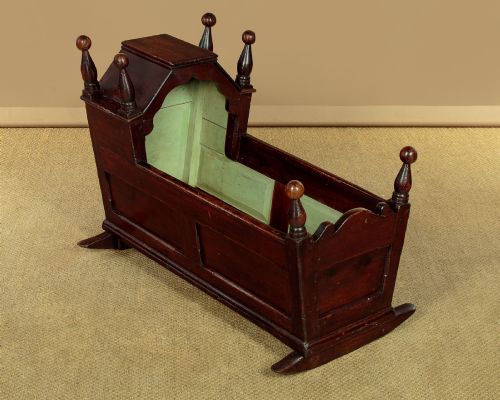
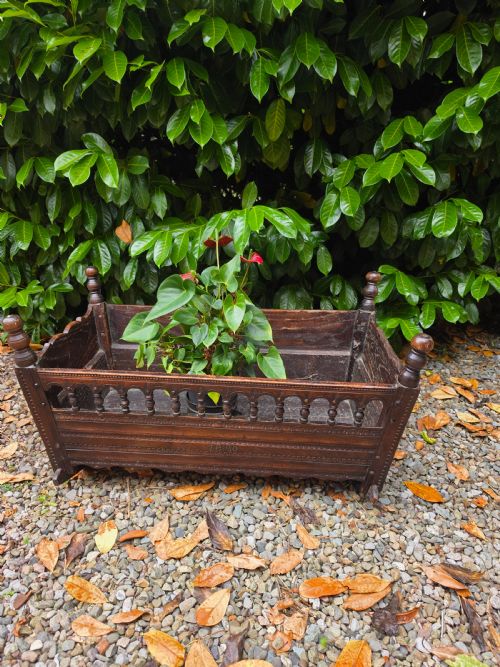
A vintage wooden baby cradle brings centuries of domestic history into a room, taking forms from simple panelled boxes to hooded rocking beds. When you search for a vintage wooden baby cradle, you encounter items shaped by generations of regional cabinet makers and country joiners. The examples on this page stretch from sturdy country pine pieces to formal mahogany designs.
What varies in quality
Quality rests primarily on the integrity of the timber and the honesty of the construction, distinguishing humble utility items from fine vernacular furniture. Superior pieces display thoughtful proportions, well-figured grain in woods like oak or mahogany, and undisturbed original surfaces.
The sophistication of the joinery marks the difference between regional workshop output and high-end retail stock. Surviving original paint finishes or untouched patina elevate a piece above later refinished examples.
One cheerful survival still wears its bright original blue Welsh paint from around eighteen hundred.
Heals and son
The Vintage Wooden Baby Cradle Glossary
- Panelled crib
- A bed constructed from framed wooden panels fitted tightly into grooved stiles and rails. This traditional method accommodated seasonal wood movement without splitting.
- Rocking cradle
- A low bed fitted with curved wooden runners underneath to permit a swaying motion. These rockers allowed parents to soothe a child without leaving their seat.
- Canopy top
- An overhead wooden or fabric structure attached to the head of the cradle. This feature historically shielded infants from drafts in cold houses.
- Cane and rattan
- Woven plant materials used to form breathable sides or panels in later pieces. This technique lightened the visual weight of heavy hardwood frames.
Vintage Wooden Baby Cradle: Frequently Asked Questions
How are these cradles dated?
Makers relied on specific construction methods, tool marks, and timber choices characteristic of distinct historical periods. Joinery techniques changed visibly from the pegged panels of early centuries to nineteenth-century production.
Examination of the timber shrinkage, hardware, and surface wear patterns helps distinguish genuine early periods from later revival pieces.
What woods were commonly used?
Oak appears frequently in sixteenth and seventeenth-century examples, valued for its local availability and structural strength. Pine served widely in regional Welsh and Scandinavian country workshops.
By the nineteenth century, cabinet makers introduced imported hardwoods like mahogany alongside traditional native timbers.
How do I care for the wood?
Preserving the surface requires protecting the timber from direct sunlight and sudden humidity changes that cause wood to crack. Dusting with a dry cloth and applying occasional natural wax maintains the finish.
Avoid modern liquid polishes or harsh chemical cleaners that can damage historic paint or dry out aged wood.