


Antique Rocking Cradle
An antique rocking cradle brings centuries of timber and quiet motion into a room, offering a tangible link to domestic history.
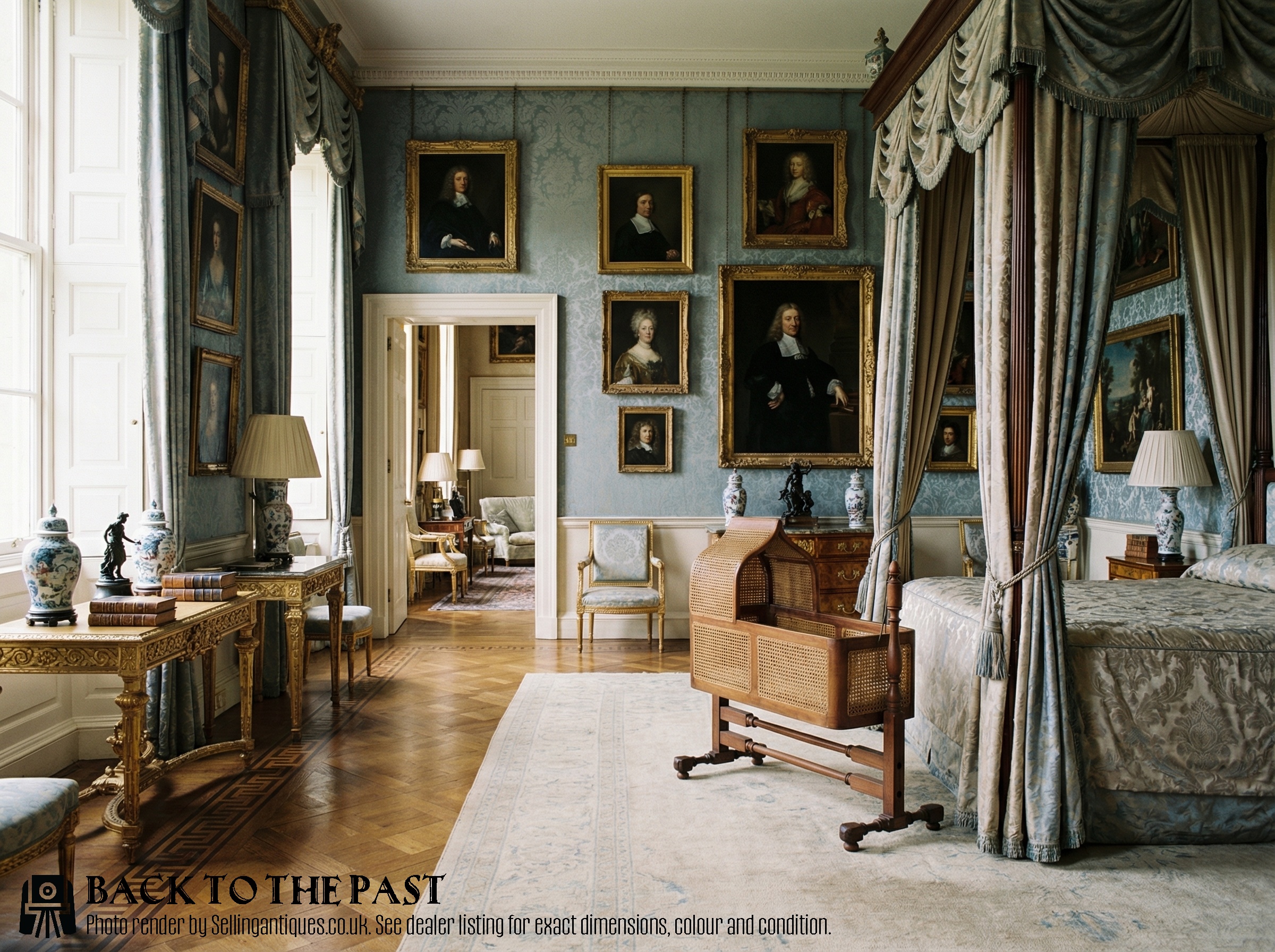
Antique Rocking Cradle
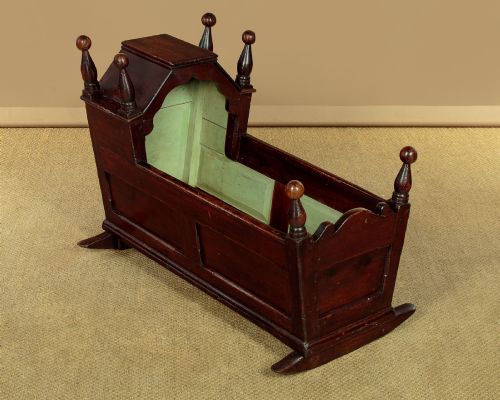
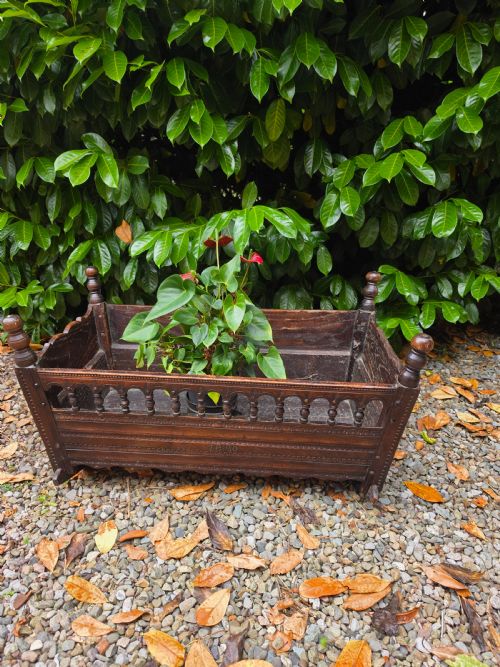
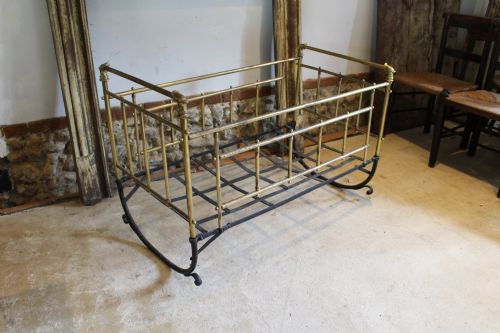
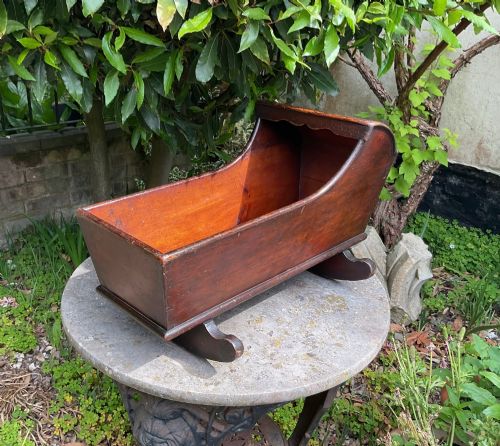
When you search for an antique rocking cradle, you are looking at wooden and metal beds designed to soothe infants, spanning domestic history from the seventeenth century through the Edwardian era. These pieces range from robust oak panelled constructions of the seventeenth and eighteenth centuries to lighter Victorian mahogany, pine, and painted softwood examples.
The versions you are most likely to meet on this page belong to the nineteenth century, particularly Victorian pine and mahogany cribs, alongside earlier oak pieces. Makers utilised local timbers like pine and fruitwood, whilst larger town workshops turned to mahogany, cane, and brass to suit changing domestic interiors.
Forms vary from hooded panels and simple box cribs on curved rockers to metamorphic cots and caned bassinets. Some smaller examples were made as doll furniture, whilst full-sized versions served nurseries across Britain, Scandinavia, and beyond.
What varies in quality
Quality rests upon the integrity of the timber, the honesty of the construction, and the preservation of original surfaces. Pieces retaining their early paint, original rocking feet, and sound panel joints stand apart from heavily altered examples.
Finer pieces display accomplished carving, balanced proportions, and thoughtful detailing such as panelled hoods or brass fittings, whereas simpler vernacular country items prioritise utilitarian strength over decoration.
Antique Rocking Cradle Retail Price Guide 2026
Typical asking prices for rocking cradle among the pieces listed under this phrase on Sellingantiques today, from the lower quarter to the upper quarter. They describe what is for sale here now, not the wider market.
Object types recorded include cradles, cribs, bassinets, and doll furniture made across Britain and Scandinavia.
Heals and son
The Antique Rocking Cradle Glossary
- Rocking cradle
- A low bed mounted on curved wooden rockers designed to sway an infant to sleep. They appear in various regional timbers and styles.
- Panelled cradle
- A piece constructed with wooden panels fitted into grooved framing uprights, common in seventeenth and eighteenth-century oak examples.
- Bergere
- A type of enclosed armchair or cot featuring woven cane panels. It offers a lighter aesthetic seen in nineteenth-century pieces.
- Hood
- A protective canopy extension over the head of the cradle to shield the infant from draughts. These hooded variants often feature in early oak designs.
- Metamorphic cot
- A convertible piece of furniture designed to adapt its form for different uses. The evidence includes nineteenth-century mahogany variants.
Antique Rocking Cradle: Frequently Asked Questions
What is an antique rocking cradle?
An antique rocking cradle is a historical infant bed mounted on curved runners or rockers, designed to allow manual swaying. They were constructed in various woods and metals to soothe babies in domestic settings.
Over the centuries, these pieces evolved from heavy seventeenth-century panelled oak boxes into lighter Victorian mahogany, pine, and iron designs suitable for changing nursery fashions.
How old is my rocking cradle?
Dating relies on examining the timber species, construction methods, and hardware. Seventeenth-century examples typically feature heavy oak with pegged panel work, whilst nineteenth-century pieces utilise pine, mahogany, and machine-cut fixings.
Stylistic clues such as hoods, painted finishes, and specific Victorian or Georgian proportions help narrow down the decade of manufacture.
Were these cradles used for sleeping?
Historically, these cradles provided a primary sleeping place for infants during their first months. The rocking motion helped parents settle restless babies.
Today, modern safety standards mean these pieces are primarily valued for display, storage, or decorative interior use rather than modern infant sleeping.
How do I live with one?
An antique rocking cradle fits well into a living room or bedroom as a decorative focal point. Many people use them to hold blankets, books, or logs.
Placing them away from direct heat sources helps protect older timbers and original painted or waxed surfaces from drying out.