


Antique Wooden Baby Bed
These antique wooden baby bed pieces are historic cradles and cribs offering solid craftsmanship and period charm for the home.
Antique Wooden Baby Bed
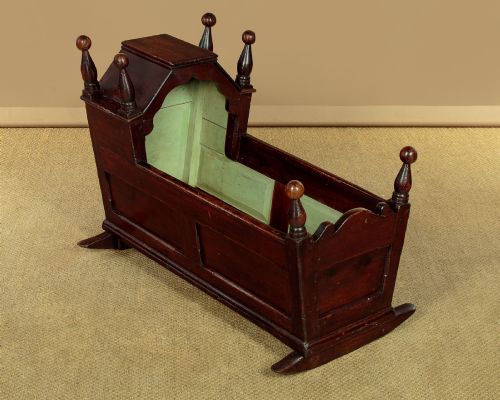
When you search for an antique wooden baby bed, you are looking at historic cradles and cribs designed for infants, usually resting on rockers. The pieces available range from rustic country examples to formal designs spanning the seventeenth, eighteenth, and nineteenth centuries.
The most common forms you will meet on this page are rocking cradles and panelled cribs constructed from timber. These objects reflect domestic life across periods including the Georgian and Victorian eras, as well as earlier seventeenth-century styles.
Makers utilised various traditional woods to build these infant beds, resulting in forms that vary from simple panelled pine and painted pine canopy top cradles to decorative carved oak and mahogany examples.
Materials and construction
Makers constructed these infant beds using solid native timbers such as oak, pine, mahogany, and fruitwood. Carpenters often shaped the wood into panelled structures and fitted them onto curved rocking bases.
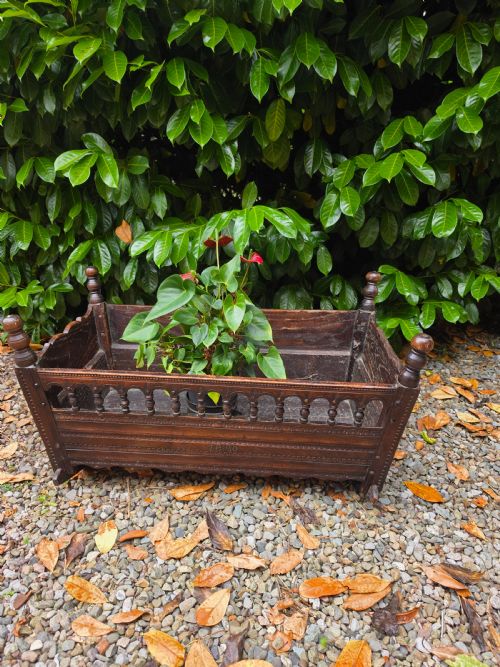
Craftsmen incorporated natural seating materials like cane and rattan into the sides of specific cribs. Some pieces also received surface treatments, including historical paint finishes and decorative carving.
One Victorian carved oak rocking cradle comes with a practical suggestion from its seller to serve as a good log basket.
Distinctions in quality
The standard of an antique wooden baby bed depends on the selection of timber and the sophistication of the joinery. Finely panelled construction and detailed carving separate superior pieces from simpler utilitarian items.
The presence of integrated rocking mechanisms and secondary materials like woven cane elevates the execution. Historical retail provenance also influences the standing of certain Victorian designs.
Heals and son
The Antique Wooden Baby Bed Glossary
- Cradle
- A low bed for an infant, typically mounted on rockers so it can be swayed from side to side. These wooden pieces form the primary focus of this category.
- Rocking crib
- A childs bed fitted with curved wooden bases that allow the structure to move back and forth. They appear in oak and pine across multiple centuries.
- Panelling
- woodwork composed of rigid sections framed by stiles and rails. This technique provided structural strength to seventeenth and eighteenth-century examples.
- Caning
- Woven rattan or cane material used for the sides or back of a crib. It lightened the visual weight of nineteenth-century pieces.
- Fruitwood
- Timber derived from fruit-bearing trees, utilised by period makers for its dense grain and warm tone. It frequently appears alongside oak in early pieces.
Antique Wooden Baby Bed: Frequently Asked Questions
What is an antique wooden baby bed?
These pieces are historical infant cradles and cribs constructed from timbers like oak, pine, and mahogany. They were built for domestic use to hold babies and typically feature integrated rocking mechanisms.
Today, buyers acquire them as decorative items or period furniture for the home rather than for modern nursery use.
How were rocking cradles used?
Historical rocking cradles were placed in family living spaces or bedrooms to keep infants close and secure. The curved wooden rockers allowed parents to gently sway the bed to soothe a child.
Over time, many of these solid wooden structures transitioned from functional nursery items into decorative domestic objects.
How do I date an antique cradle?
Dating relies on observing the timber species, construction techniques, and stylistic details present in the woodwork. Seventeenth-century pieces often display heavy oak panelling, while nineteenth-century versions introduce mahogany, cane, and painted finishes.
Comparing the specific form and hardware to documented periods helps establish the age of the piece.
Can I use an antique crib today?
Historic cradles and cribs do not meet modern safety standards established for infant sleep furniture. They lack contemporary requirements for slat spacing, side heights, and mattress support.
Collectors and buyers generally repurpose these wooden beds as display pieces, plant holders, or storage bins for items like logs.