


Vintage Wooden Baby Crib
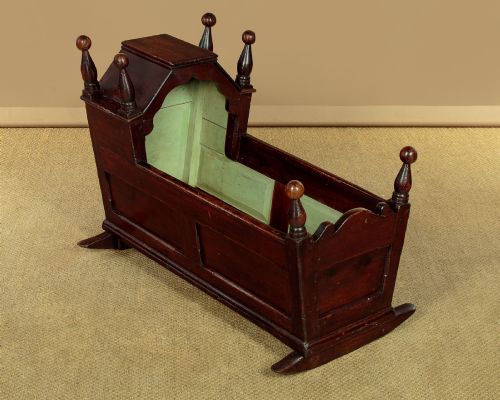
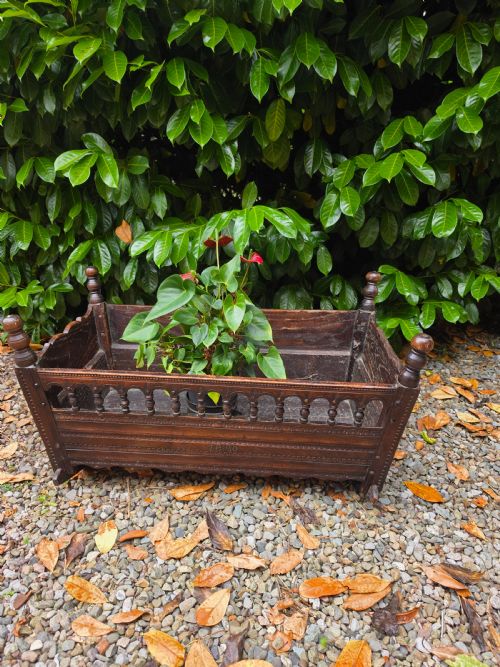
A vintage wooden baby crib brings centuries of domestic history into a room, offering robust oak, pine and mahogany forms designed for gentle rocking.
Vintage Wooden Baby Crib
A vintage wooden baby crib encompasses traditional cradles and rocking beds produced across multiple centuries, ranging from seventeenth century panelled oak designs to nineteenth century painted pine pieces. Buyers searching this phrase encounter sturdy domestic items built with functional rockers, enclosed hoods and panelled sides to keep infants secure.
Forms vary from rustic country pine cradles with original blue paint to polished mahogany and cane structures that reflect formal domestic tastes. Each piece serves as a tangible link to historical nursery furnishings, retaining the patination of daily family life over generations.
Materials and construction methods
Construction relies upon durable timbers such as oak, pine and mahogany, joined through traditional panelled techniques and sturdy pegged framing. Many pieces incorporate curved wooden rockers integrated directly into the base or attached via low frames to allow smooth movement.
Surface treatments range from clear wax finishes highlighting natural grain to surviving coats of period paint, such as original blue pigments. Secondary materials like cane, rattan, brass fittings and upholstery appear in select Victorian and William IV iterations to add ventilation and comfort.
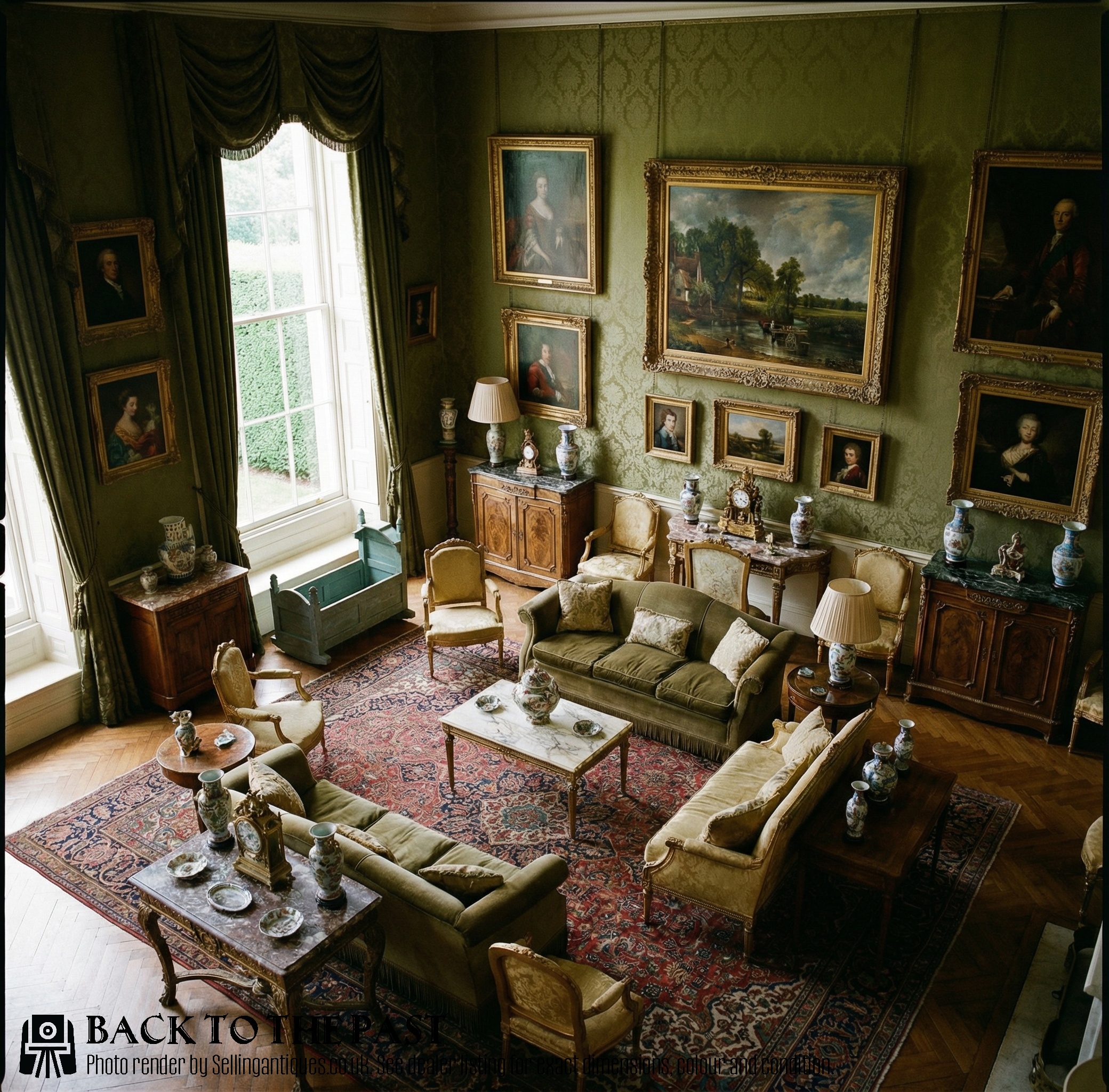
Several surviving pieces retain spirited splashes of original blue paint from around eighteen hundred, proving that ancestors loved a cheerful nursery colour.
Assessing quality in early cribs
Quality rests in the integrity of the timber framing, the crispness of surviving panel work and the proportion of the rocking base. Superior examples retain their original structural timber without extensive replacement, showing honest wear that respects the age of the piece.
Subtleties in carving detail, the retention of original surface paint or patinated polish, and thoughtful joinery distinguish standard utilitarian items from finer regional or workshop productions.
Heals and son
The Vintage Wooden Baby Crib Glossary
- Rocking cradle
- A low bed fitted with curved runners or mounted on pivots to allow rhythmic swaying motion for an infant. These domestic fixtures form the core of early nursery furniture.
- Panelled construction
- A method of joining wooden boards using vertical stiles and horizontal rails enclosing a thinner central panel to accommodate natural wood movement. This technique prevents major splitting in heavy oak furniture.
- Hooded cradle
- A design featuring a protective wooden canopy or raised headboard to shield the infant from draughts. These hoods often display decorative mouldings or carved panelling.
- Patina
- The deep surface sheen and soft texture acquired by timber through decades of handling, cleaning and exposure to light. It serves as a visual indicator of genuine age.
- Caning
- Woven rattan or split material stretched across frames to form breathable sides or bases. This technique appears on select nineteenth century variations.
Vintage Wooden Baby Crib: Frequently Asked Questions
How do I date an old wooden crib?
Dating relies upon examining the timber species, construction joinery, tool marks and overall stylistic markers such as panel mouldings. Earlier pieces from the seventeenth century often show pegged oak framing, whilst nineteenth century examples display softer pine or polished mahogany.
Hardware, surface finishes and any retailer details provide further chronological clues. Comparing these elements with documented regional furniture helps narrow the manufacturing period.
Were these cribs used in the bedroom?
Historical cradles were kept close to the parents' bed to allow easy nighttime tending before separate nurseries became common. Their compact size and rocking action made them practical for keeping infants secure in bustling household environments.
Over centuries, these wooden beds adapted to changing domestic habits while remaining central to early childcare. Today, they function primarily as decorative display items or heirloom furniture.
What is the difference between a cradle and a crib?
Traditionally, a cradle refers specifically to a rocking bed mounted on curved runners or rockers designed to sway from side to side. The term crib often encompasses a broader range of infant sleeping furniture, though historical usage frequently overlaps between the two.
Both forms utilise durable timbers like oak or pine to provide a safe enclosed space for a baby. The presence of integrated rockers usually defines the classic cradle structure.
How should I care for antique timber?
Preserving antique wood requires maintaining stable indoor humidity and temperature levels away from direct heat sources and strong sunlight. Gentle dusting with a dry cloth prevents particle buildup without harming the historical finish.
Occasional application of microcrystalline wax helps protect bare timber and enhances the natural patina. Avoid modern chemical polishes that can degrade older wax or painted surfaces.
Can I use an antique crib for a baby today?
Historic infant furniture does not meet modern safety standards regarding slat spacing, side heights and structural stability. These pieces are intended for decorative display, textile storage or historical collection rather than contemporary infant sleeping use.
Collectors appreciate them for their craftsmanship, patinated wood and tangible connection to domestic history. Displaying them safely preserves their structural integrity for the future.