
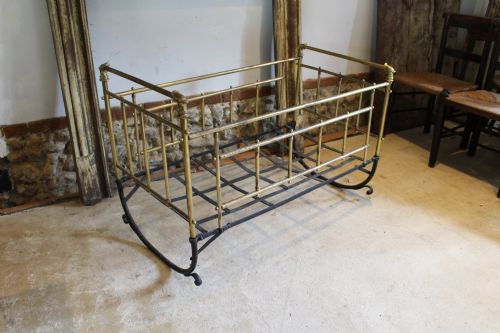


Antique Baby Cot
These antique baby cot pieces are historical sleeping berths for infants, prized for their traditional craftsmanship and rich timber character.
Antique Baby Cot
When you search for an antique baby cot, you encounter historic infant sleeping furniture spanning multiple centuries and various regional vernacular traditions.
Solid timber examples dominate the selection, alongside metal designs forged in iron or brass and fitted with cane or upholstery.
How they were made
Carpenters constructed these items primarily using native hardwoods and softwoods like oak, mahogany, pine, and panelled construction methods.
Metalwork versions utilised wrought iron, cast iron, and brass framework, sometimes paired with wire mesh or woven cane.
Surface treatments range from exposed grain finishes to original painted applications in hues such as blue.
Even the tiniest sleepers required proper joinery back in the sixteenth century.
What varies in quality
Quality rests upon the integrity of the original construction, whether panelled oak, turned spindles, or joined pine.
The survival of early surfaces, such as original painted finishes or polished mahogany, elevates the distinction of a piece.
Structural complexity, including hoods and rocking mechanisms, defines the sophistication of individual examples.
The Antique Baby Cot Glossary
- Cradle
- A low infant bed designed to rock on curved runners or pivots. These domestic items formed a central part of historic nursery furniture.
- Hood
- A protective canopy arching over the head end of early sleeping berths. Elizabethan and seventeenth-century wooden examples frequently feature this element.
- Panelled oak
- Timber construction utilising fitted rectangular panels set within a sturdy framework. This technique defined seventeenth-century cabinet work.
- Rocking crib
- An infant sleeping structure mounted on rockers to soothe a child. Edwardian and Victorian iterations combined this function with metal or mahogany frames.
Antique Baby Cot: Frequently Asked Questions
What materials are used in these pieces?
Makers utilised a range of materials depending on the period and regional workshop traditions. Common selections include solid oak, mahogany, pine, wrought iron, and brass.
Secondary elements incorporate cane panels, wire mesh, and textile upholstery alongside original painted surface layers.
How do I identify a seventeenth century piece?
Early examples from this era typically feature heavy panelled oak construction and integrated hoods. Joinery techniques and timber patination offer clear indicators of age.
Makers of this period relied on solid wood framing rather than the lighter iron or polished mahogany seen in later centuries.
What is a rocking cradle?
A rocking cradle is a low infant sleeping vessel mounted on curved wooden rockers or mechanical pivots. This design allowed parents to gently sway the occupant to sleep.
Versions appear across multiple periods, from Georgian pine to Victorian brass and Edwardian iron.
Where were these pieces made?
Origins vary from vernacular regional workshops in Wales and Scandinavia to British urban cabinet makers. Regional styles reflect local timber availability and domestic preferences.
Examples range from Welsh pine items to Scandinavian painted pine and English oak constructions.