




Antique Table Cradle
An antique table cradle brings period character to the dining table or side surface, serving as a functional piece for cheese, wine, or condiments.
Antique Table Cradle
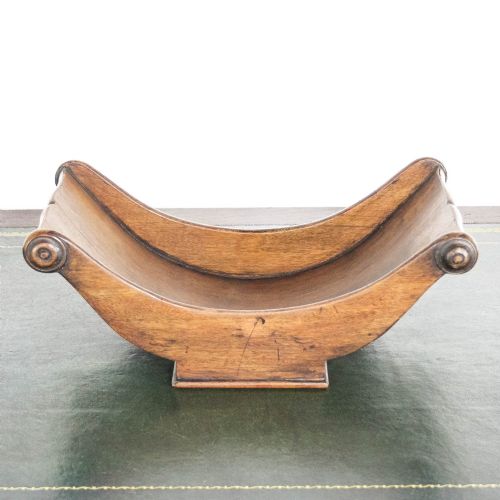
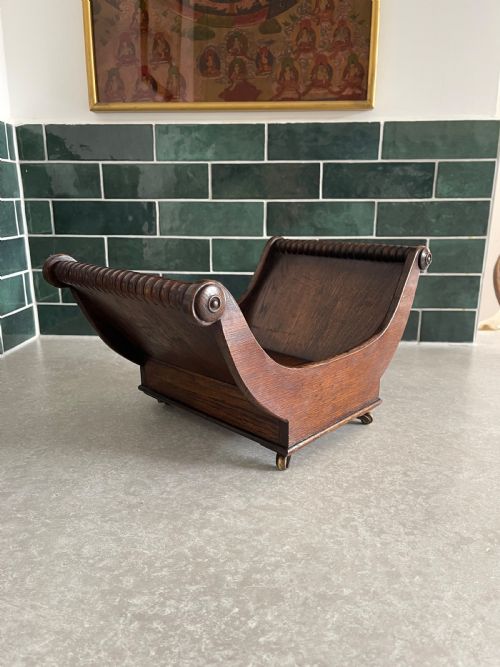
When you search for an antique table cradle, you encounter a range of dining accessories and treen items designed for the table. These pieces primarily take the form of cheese coasters, bottle holders, and sauce stands used during formal meals.
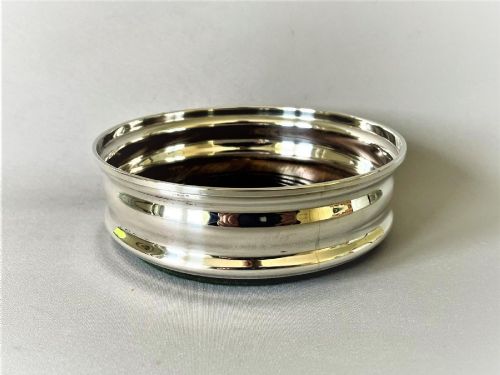
The most common versions on this page are mahogany cheese coasters dating from the Georgian period and the eighteenth century. You also find oak and fruitwood examples alongside nineteenth-century silver plated wine coasters and condiment holders.
Beyond dining ware, the evidence includes sewing and work tables featuring cradle bases in burr walnut. These diverse forms share a rocking or cradled mechanism suited to domestic display and utility.
How these pieces were made
Cabinetmakers constructed the wooden table cradles and cheese coasters using dense timbers like mahogany, oak, fruitwood, and burr walnut. Carpenters shaped these woods into curved trough sections and crescent trucks, often incorporating wheels or castors for movement along the dining surface.
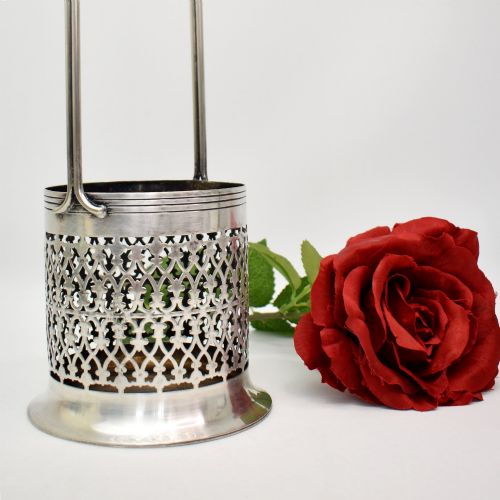
Metal versions utilise silver plate and solid silver, sometimes paired with wirework stands or intricate frameworks. Silversmiths and electroplaters formed these components to hold bottles, decanters, and asparagus dishes securely.
Listings span from the eighteenth century through the Edwardian era, featuring materials such as mahogany, silver, bone, and wirework.
What varies in quality
Quality in these items rests on the selection of timber and the fineness of the joinery. Mahogany and burr walnut examples with rich grain patterns and clean turning sit above plain or heavily worn specimens.
The execution of metal mounts, handles, and maker attribution shifts the status of silver and silver-plated pieces. Pieces retaining their original wheels, bases, and structural integrity command greater appreciation from collectors.
Brook and Son·Mappin and Webb
The Antique Table Cradle Glossary
- Cheese coaster
- A small movable tray or dish designed to hold a wedge of cheese on the dining table. They frequently feature wooden truckles or wheels to roll along the mahogany surface.
- Treen
- Small handmade wooden household objects carved by turners and joiners. This category covers many of the early wooden coasters and stands seen in domestic settings.
- Truckle
- A small solid wheel attached to the underside of a cheese coaster or stand. It allows the diner to push the dish smoothly from person to person.
- Silver plate
- A base metal coated with a thin layer of silver through chemical or electrochemical processes. This technique provided the appearance of solid silver for nineteenth-century dining accessories.
- Crescent
- A curved, half-moon shape utilised in specialised cheese truckles and stands. This form fitted closely against other serving dishes on crowded tables.
Antique Table Cradle: Frequently Asked Questions
What is an antique table cradle used for?
These pieces served practical functions in historic dining rooms, primarily holding cheese wedges, wine bottles, decanters, or condiments. Diners rolled them across the table surface during formal meals.
Today, they function well as decorative table accents or small storage trays. Their historic utility adapts easily to modern domestic display.
How do I identify a Georgian cheese coaster?
Georgian cheese coasters typically feature solid mahogany, oak, or fruitwood construction shaped into a crescent or curved trough. They often include small wooden or metal wheels on the base.
Earlier examples from the eighteenth century show hand-turned wooden elements and dense timber grains. Later Victorian pieces introduced alternative woods like burr walnut and metal additions.
Are silver plated table cradles historic?
Silver plated bottle holders and asparagus dishes appear from the Victorian and Edwardian eras. Electroplating became widespread during the nineteenth century for dining accessories.
Established firms produced these plated items alongside solid silver goods. They offer the aesthetic of precious metal from the later periods of manufacture.
How do I care for wooden table cradles?
Wooden coasters and stands require stable indoor humidity to prevent the timber from splitting. Regular gentle dusting preserves the surface finish without harsh chemical polishes.
Keeping them away from direct heat sources protects the historic wood and any applied polish. Waxing occasionally helps maintain the lustre of mahogany and walnut.