
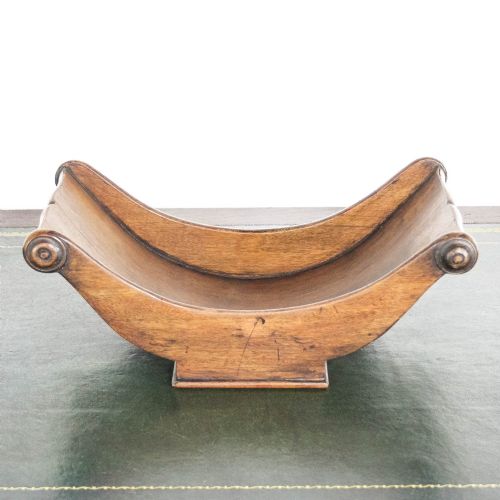
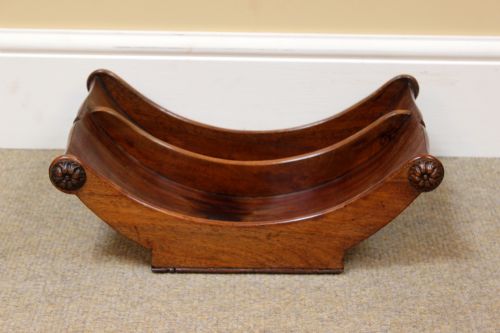

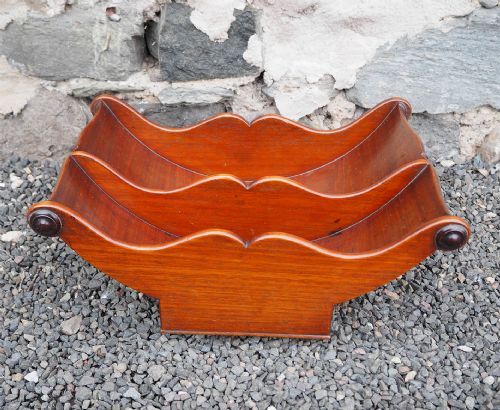


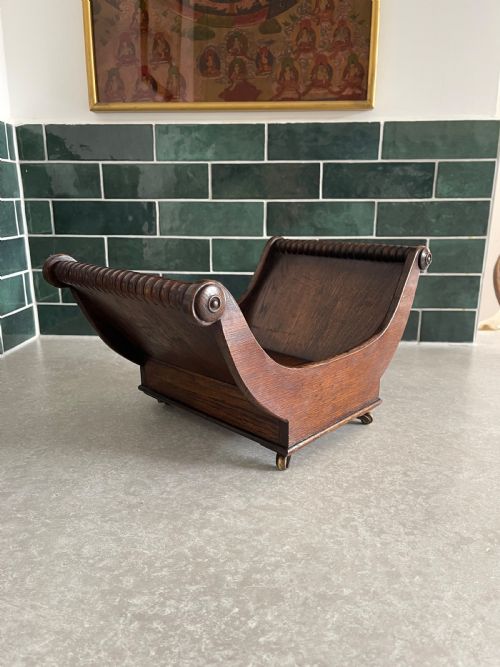


Georgian Cheese Cradle
A georgian cheese cradle brings practical elegance to the dining table, offering a clever way to serve and present fine cheese.
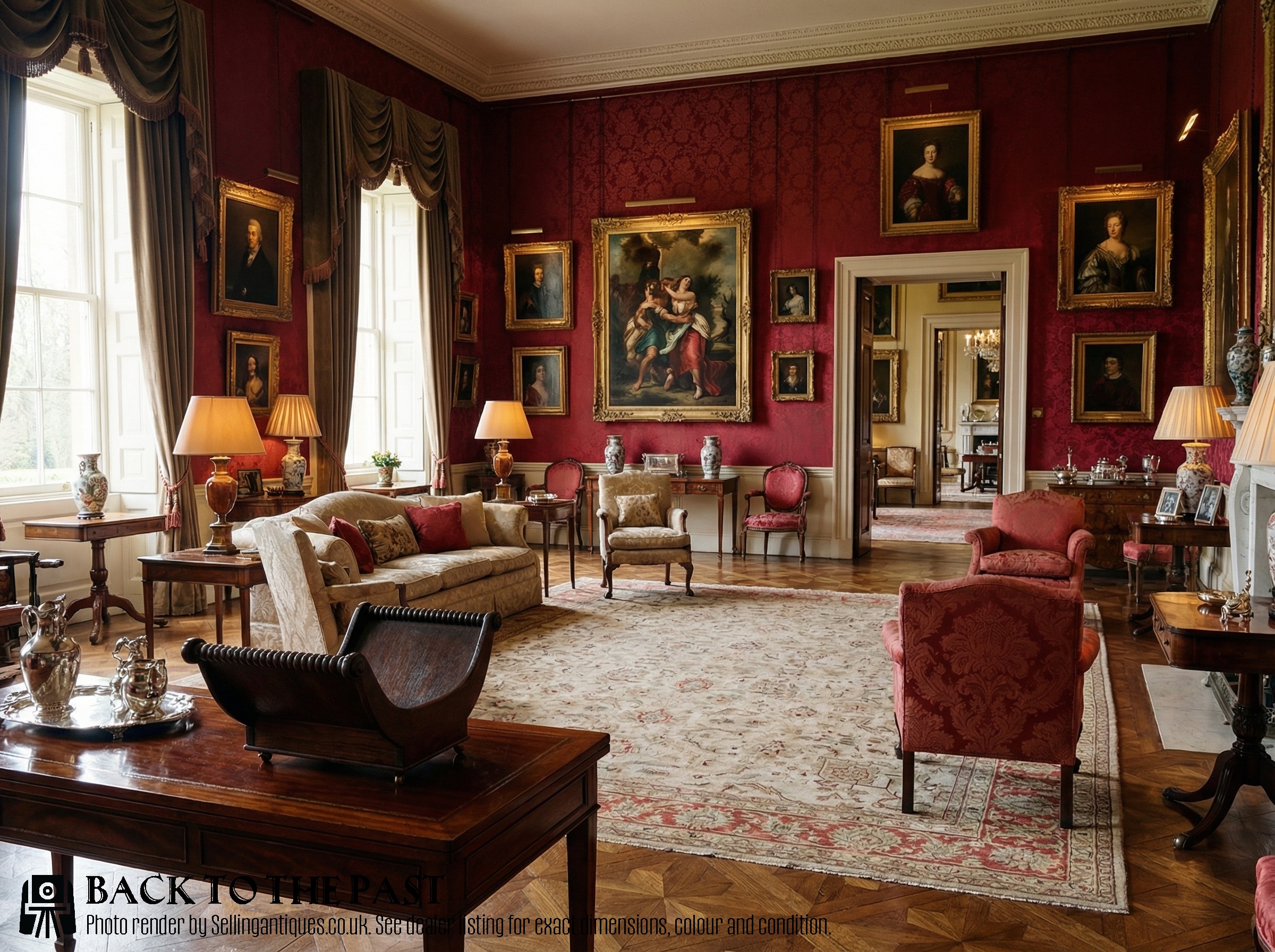
Georgian Cheese Cradle
When searching for a georgian cheese cradle, collectors look at serving pieces designed to hold large wedges or truckles of cheese during the formal dining service of the period. These items function as tableware and dining accessories, intended to sit securely on the sideboard or table.
The versions most commonly met on this page include mahogany cheese coasters and stands dating from the Georgian, Regency, and Victorian eras. These forms often feature boat-shaped or crescent designs that accommodated a rolling wheel of cheese with ease.
Makers of the period produced these pieces in forms such as cheese truckles and fruit bowls, utilising rich timbers suited to formal dining rooms. The evidence shows styles spanning the eighteenth century through to the nineteenth century.
How They Were Made
The primary material seen in these pieces is mahogany, chosen for its rich grain, strength, and ability to take a deep polish. Other timbers utilised include fruitwood and oak, giving variety in tone and texture across the surviving examples.
Many pieces incorporate brass fittings and occasional bone details to provide structural support and decorative contrast. Woodturners shaped the heavy timber bases while joiners constructed the curved walls designed to contain the cheese.
Listings on this site show materials spanning mahogany, oak, fruitwood, brass, and bone across the Georgian and Victorian periods.
What Varies in Quality
Quality in a georgian cheese cradle rests upon the selection of timber and the depth of the grain visible in the polished surface. Finer examples display carefully chosen mahogany with rich natural figuring, whilst simpler pieces use plain oak or fruitwood.
The sophistication of the turning and the integrity of the original brass mounts distinguish superior pieces from standard workshop production. The balance of the curved walls and the precision of the joinery mark the distinction between everyday utility and refined dining accessories.
The Georgian Cheese Cradle Glossary
- Cheese coaster
- A small trolley or stand fitted with rollers or feet, designed to slide along the dining table during dessert. This form kept the cheese moving easily among guests.
- Truckle
- A small, solid wheel of cheese, usually wrapped in cloth and rind, which fit snugly into the crescent shape of the stand. The stands were built to match these specific cylindrical proportions.
- Treen
- Small handmade wooden domestic objects and tableware fashioned by turners. This category includes the turned wooden bodies of many cheese stands.
- Fruitwood
- Timber sourced from fruit-bearing trees such as pear or apple, prized for its dense grain and warm hue. It appears in several eighteenth-century table items.
Georgian Cheese Cradle: Frequently Asked Questions
What is a cheese cradle?
A cheese cradle is a specialised dining accessory designed to hold a large wedge or truckle of cheese safely on the table during dessert.
These pieces typically feature curved wooden walls that prevent the cheese from sliding while guests served themselves.
How were these used?
Diners used these stands to present hard cheeses at the end of a meal, often rolling or sliding them along the surface of the dining table.
The low profile allowed guests to cut portions easily without removing the heavy cheese from its dedicated holder.
How do I date a piece?
Dating relies on identifying the timber species, construction methods, and prevailing style characteristics associated with the Georgian, Regency, or Victorian periods.
Mahogany and specific brass hardware configurations provide strong chronological indicators for pieces from the eighteenth and early nineteenth centuries.
Can I use it today?
These pieces adapt readily to modern dining tables for serving hard cheeses and artisan truckles during dinner parties.
Their robust timber construction remains as functional today for presentation as it was during the Georgian period.