



Georgian Wooden Tableware
Georgian wooden tableware brings domestic utility from the eighteenth and early nineteenth centuries directly to the table.
Georgian Wooden Tableware
When you search for georgian wooden tableware, you are looking at functional dining accessories shaped from timber during the Georgian, Regency, and early nineteenth century periods. These items include turned salts, cheese coasters, cruet stands, and treen strainers designed for daily service in the home.
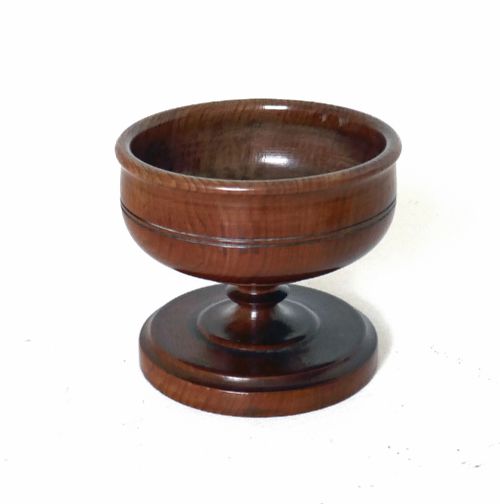
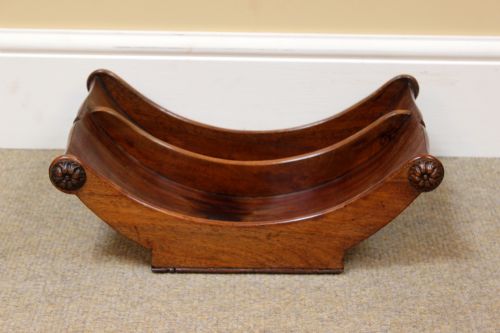
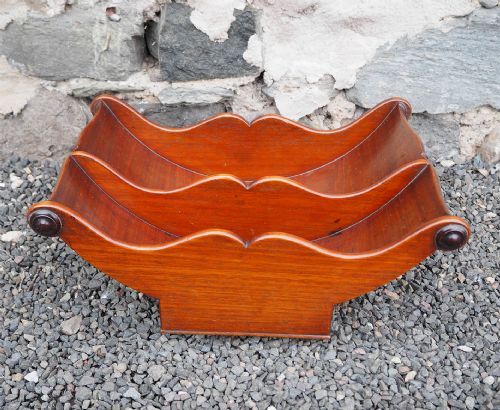
The versions most likely to be met on this page are turned yew wood salts on raised bases and mahogany cheese coasters from the eighteenth and nineteenth centuries. Such pieces reflect the domestic habits and dining arrangements of the period through practical application.
How they were made
Turners and cabinetmakers shaped these pieces primarily from dense timbers like mahogany and yew wood, utilising lathes for circular forms and traditional joinery for frames. The choice of hardwood ensured durability for items subjected to heavy daily handling during meals.
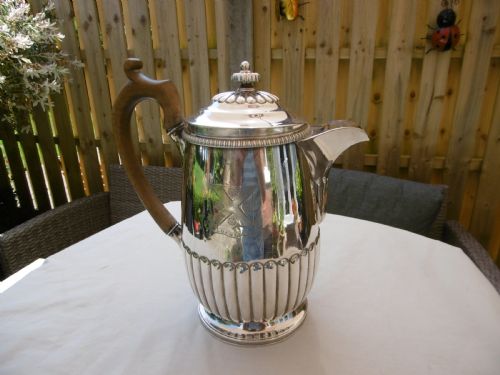
Makers occasionally combined wood with metal elements, incorporating silver mounts or plating into cruet stands and coasters to contrast textures and reinforce structural areas.
Cheese coasters were fitted with tiny wheels so they could race silently across the mahogany between passing hands.
What varies in quality
Quality rests in the crispness of the turning and the depth of the timber's grain and natural colour. A piece finished with balanced proportions and clear grain shows greater care in execution.
The integrity of the construction and the preservation of the original surface determine the standing of an example. Items retaining their unpolished patination command greater attention from those studying period domestic objects.
Matthew Boulton·John Hoyland
The Georgian Wooden Tableware Glossary
- Treen
- Small handmade wooden objects for domestic use. This term derives from old English and encompasses items ranging from spoons to bowls.
- Cheese coaster
- A small trolley or tray fitted with rollers to slide along the dining table. They kept the cheese rolling smoothly between guests after the cloth was removed.
- Salt cellar
- A small vessel placed on the dining table to hold salt. Early examples often feature raised turned bases.
- Cruet stand
- A frame holding bottles for condiments such as oil and vinegar. These objects sat at the centre of the table for easy access during meals.
Georgian Wooden Tableware: Frequently Asked Questions
What is georgian wooden tableware?
These pieces are domestic wooden items produced during the Georgian and Regency eras, used primarily for serving food and condiments at the dining table.
They encompass items such as turned salts, cheese coasters, and treen pieces that formed part of daily household management.
How were cheese coasters used?
Cheese coasters were placed on the dining table to hold large portions of cheese and allow guests to pass them easily.
Their shallow wooden frames often featured wheels or rollers so they glided smoothly across the polished mahogany surface of the table.
What is treen ware?
Treen ware covers small household objects carved or turned from wood. The category includes utilitarian items made before mass production became standard.
Collectors prize these items for their visible tool marks and the patination developed through decades of handling.
How do I identify a yew wood salt?
A yew wood salt is a small vessel turned on a lathe, typically featuring a raised base and distinctive swirling grain patterns.
Yew timber provides a natural contrast of deep red and brown tones that sets these salts apart from standard mahogany or oak items.