
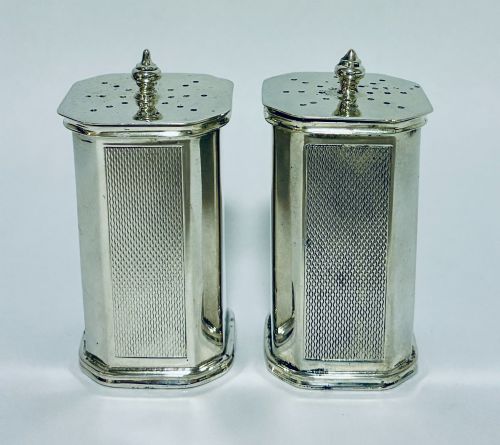


Georgian Dining Table Accessory
These georgian dining table accessory items bring period craft to the table, offering functional elegance that collectors prize for everyday use.
Georgian Dining Table Accessory
Buyers will most frequently encounter mahogany cheese coasters, sterling silver pepper pots, and cruet sets, reflecting the practical dining requirements of past centuries. These objects combine utility with refined design, utilising timber and precious metals to serve food and condiments.
Materials and Construction
Makers utilised sterling silver and solid silver for hollowware and small implements, shaping metal through casting, hammering, and piercing. Silver items such as skewers, toast racks, and salt and pepper casters demonstrate precise metalworking techniques.
Cabinetmakers worked with mahogany and fruitwood to construct turned cheese coasters and tier dumb waiters. These wooden pieces rely on traditional joinery and turning methods, often incorporating brass castors or mounts.
Materials represented across the inventory include sterling silver, mahogany, brass, fruitwood, cut glass, bone, and gemstones.
Judging Quality
Quality in a georgian dining table accessory lies in the crispness of the casting or the fidelity of the timber turning. Superior silver pieces show sharp detail in piercing and engraving, while finer wooden items display well-figured mahogany with deep patination.
The weight and balance of the object also dictate its standing, as heavier gauge silver and robustly constructed timber pieces endure decades of handling better than lighter alternatives.
The Georgian Dining Table Accessory Glossary
- Cheese coaster
- A shallow tray, often made of mahogany or fruitwood, designed to hold a cheese truckle and protect the table surface. They frequently feature wheels to allow smooth movement along the dining table.
- Cruet set
- A matched collection of glass bottles or casters mounted in a frame for holding condiments such as oil, vinegar, salt, and pepper. These sets sat centrally on the dining table for guests to serve themselves.
- Sugar caster
- A tall silver vessel with a pierced dome top used for sprinkling sugar over food. The perforations allowed an even distribution of fine sugar.
- Toast rack
- A metal framework with vertical dividers designed to hold slices of toast upright at the table. This accessory kept the toast crisp by preventing condensation between the slices.
- Finger bowl
- A small bowl filled with water, placed before diners between courses to rinse their fingers. Regency examples often feature cut crystal.
Georgian Dining Table Accessory: Frequently Asked Questions
How were cruet sets used?
Cruet sets held liquid and dry seasonings for the dining table. They contained glass bottles for oil and vinegar alongside shakers for salt and pepper.
Guests used these condiments to season their food throughout the meal. The entire assembly sat in a metal or wooden frame for easy transport.
How do I care for silver table accessories?
Silver dining accessories require gentle cleaning with a non-abrasive polish to preserve the metal. Regular use prevents heavy tarnish buildup and maintains the shine.
Store these items in dry conditions away from direct sunlight. Avoid harsh chemical dips that can strip the natural patination.
Are these items suitable for daily use?
Most of these pieces were built for functional dining and withstand regular handling. Solid silver and sturdy mahogany items adapt well to modern dining environments.
Careful hand washing protects wooden coasters and delicate silver components. Using them keeps traditional craftsmanship active in the modern home.
How can I tell the period of a piece?
Dating relies on maker marks, hallmarks, and construction techniques. Georgian pieces display distinct hand-worked characteristics and period specific joinery or silversmith stamps.
Later revival items often carry hallmarks corresponding to the early twentieth century. Comparing the timber grain and metal weight helps confirm the era of manufacture.