




Georgian Fruitwood Treen
Georgian fruitwood treen comprises small, utilitarian wooden objects shaped by hand and lathe during the eighteenth and nineteenth centuries.
Georgian Fruitwood Treen
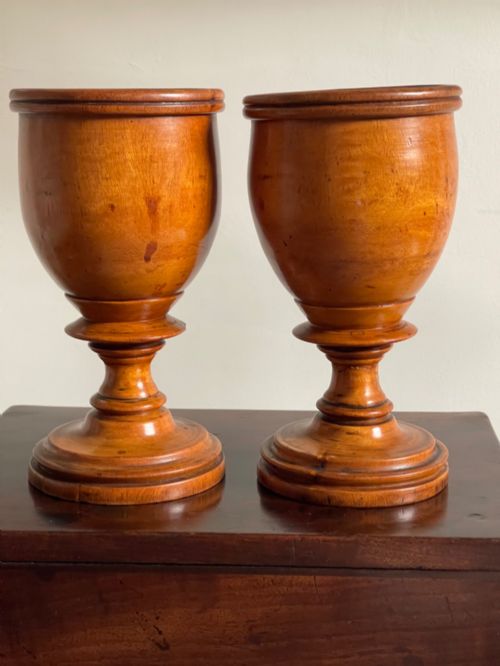
Georgian fruitwood treen encompasses domestic and personal items fashioned from dense timber during the eighteenth and nineteenth centuries. Buyers searching for georgian fruitwood treen will encounter turned goblets, snuff boxes, and small stands recorded across the evidence.
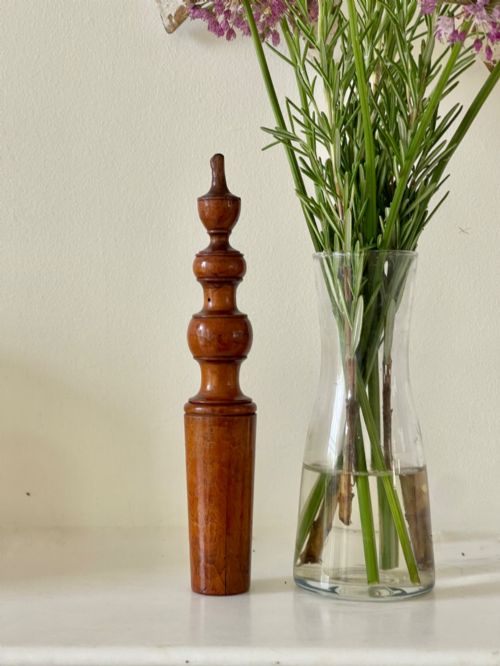
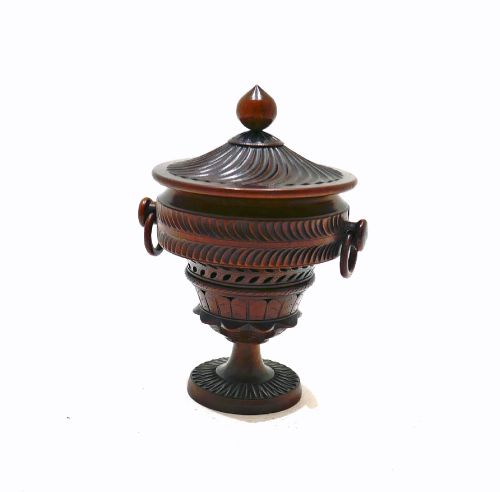
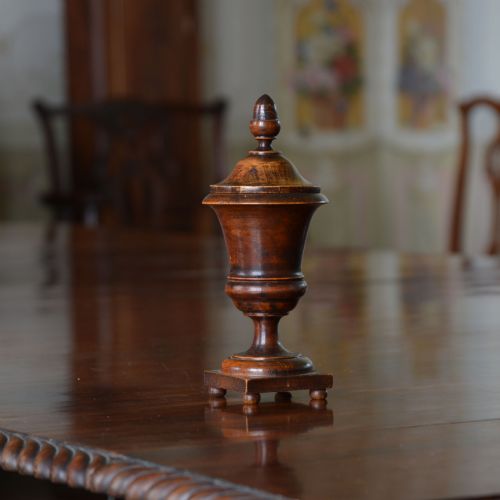
The objects on this page range from utilitarian kitchen implements like apple corers and cheese coasters to decorative items such as campana urns and lovespoons. Most examples date from the Regency period through to the middle of the nineteenth century.
Makers produced these pieces using native timbers, predominantly applewood and general fruitwood, often finishing them with simple turned details or incised lines. The selection reflects both English and Welsh folk art traditions of the era.
How they were made
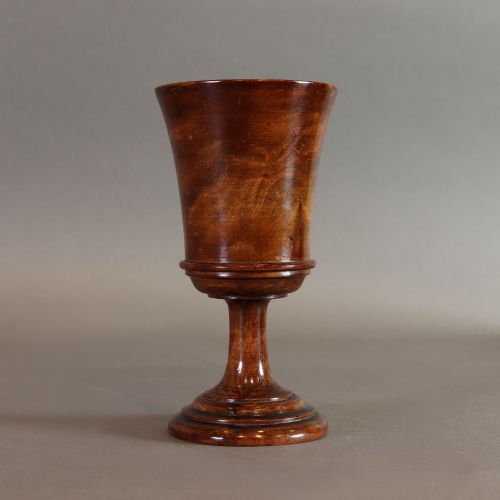
Craftsmen shaped these items primarily on a lathe from seasoned fruitwood timber, exploiting the dense grain to achieve thin walls on goblets and lidded cups. Turning marks frequently remain visible on the interior and exterior surfaces of cups and pedestals.
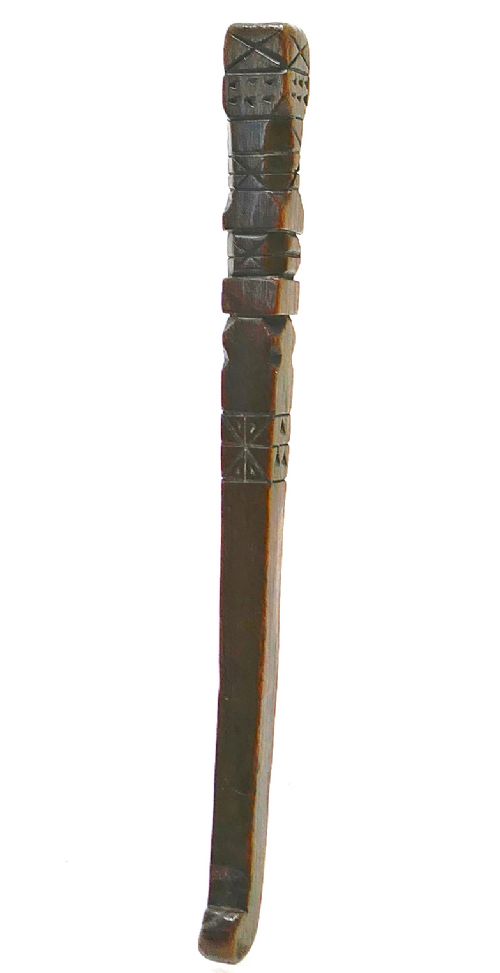
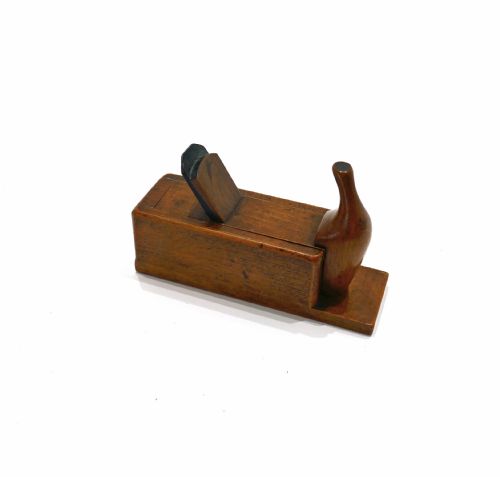
Decoration relied on simple hand tools rather than complex machinery, utilising punchwork and incised lines to pattern knitting sheaths and small boxes. Artisans also constructed specialised forms, such as snuff boxes shaped like miniature wood planes, by joining shaped pieces of hardwood.
Georgian Fruitwood Treen Retail Price Guide 2026
Typical asking prices for georgian fruitwood treen among the pieces listed under this phrase on Sellingantiques today, from the lower quarter to the upper quarter. They describe what is for sale here now, not the wider market.
One listed snuff box takes the exact miniature form of a carpenter's wood plane.
What varies in quality
Quality in georgian fruitwood treen rests on the crispness of the original turning and the preservation of the surface patina through handling. Pieces retaining distinct punchwork decoration and sharp profile lines demonstrate superior execution by the maker.
The condition of the timber significantly influences the character of each object, as fruitwood naturally darkens and develops a warm tone over centuries of use. Examples displaying structural integrity without heavy shrinkage cracks or crude modern repairs represent the finer end of the surviving range.
The Georgian Fruitwood Treen Glossary
- Fruitwood
- Timber sourced from fruit-bearing trees such as apple, pear, or cherry, chosen for its dense, fine grain which is well-suited to lathe turning.
- Treen
- Small handmade wooden domestic objects produced before the widespread adoption of mass manufacturing.
- Campana urn
- A vessel shaped in the profile of an inverted bell, often executed in wood as a decorative or display piece.
- Knitting sheath
- A small carved device tucked into a belt or apron string to support a single knitting needle during handcrafting.
- Pounce pot
- A small perforated container used to sprinkle sand over damp ink to speed up the drying process on paper.
Georgian Fruitwood Treen: Frequently Asked Questions
How do I care for wooden treen?
Keep these pieces away from direct heat sources and sudden humidity changes to prevent the timber from splitting.
An occasional application of microcrystalline wax helps protect the historical surface and maintains the natural lustre.
Were these items used daily?
Most of these objects served practical purposes in the domestic routines of eighteenth and nineteenth-century households.
Items like cheese coasters, apple corers, and goblets were handled constantly, which explains the worn patinas found on surviving examples.
How can I tell an older piece?
Age is determined by observing the tool marks left by lathes, the depth of the patina, and the method of construction.
Georgian and Regency pieces typically show hand-turned ridges and wear patterns consistent with centuries of domestic use.