
Antique Wooden Ornament
An antique wooden ornament brings character to a room through carved detail and natural material.
Antique Wooden Ornament
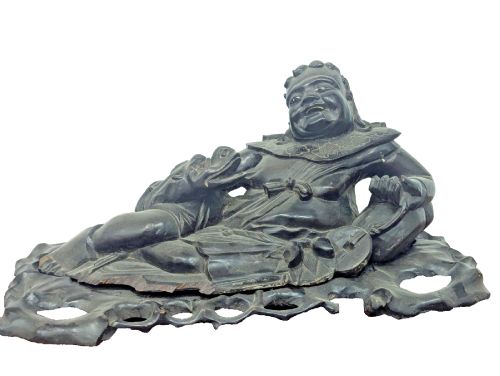
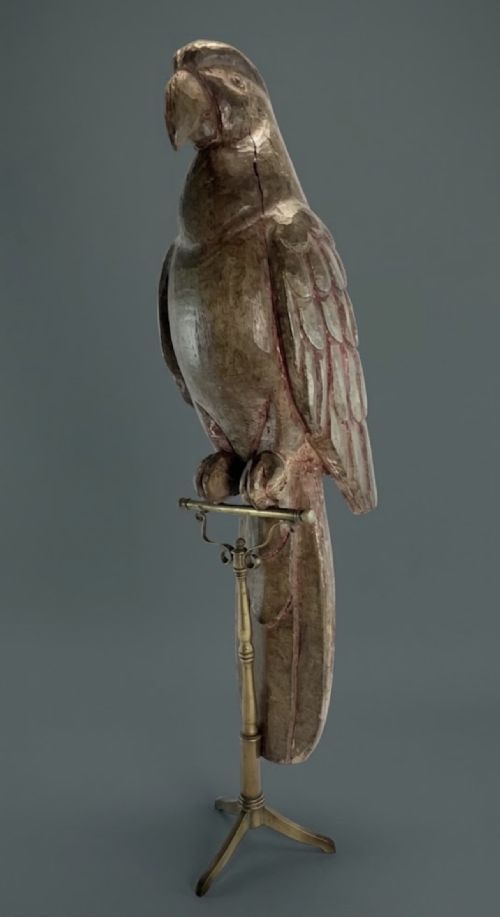
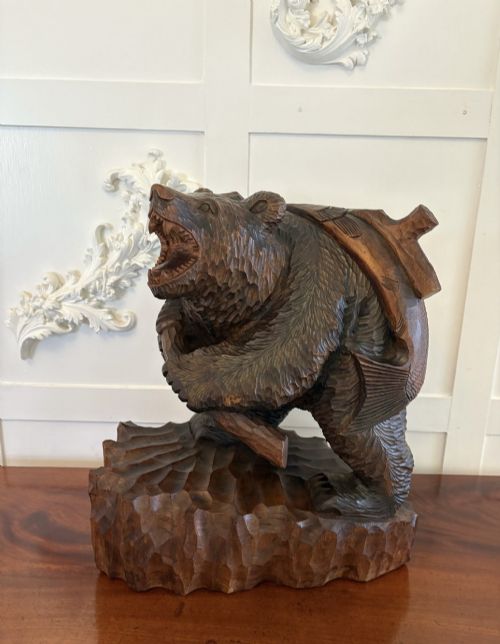
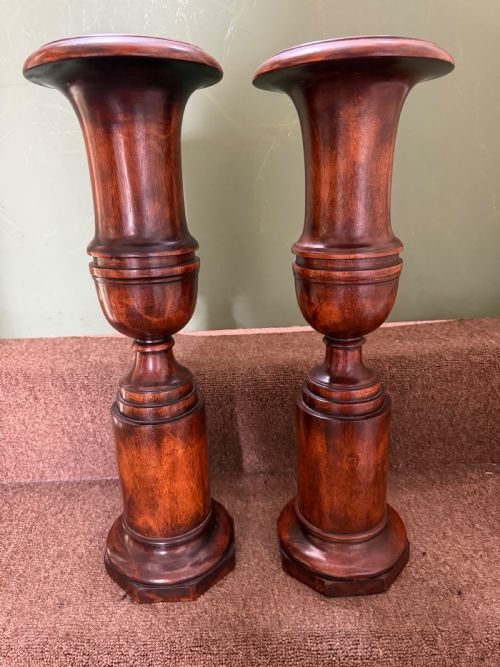
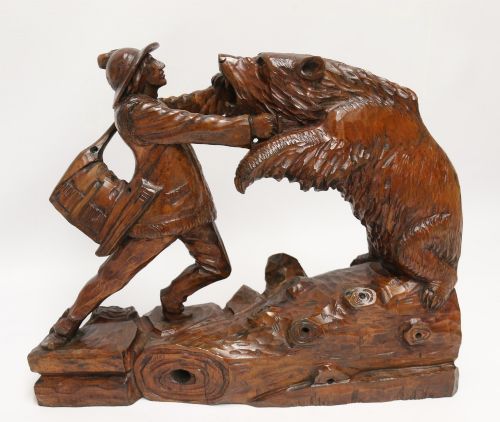
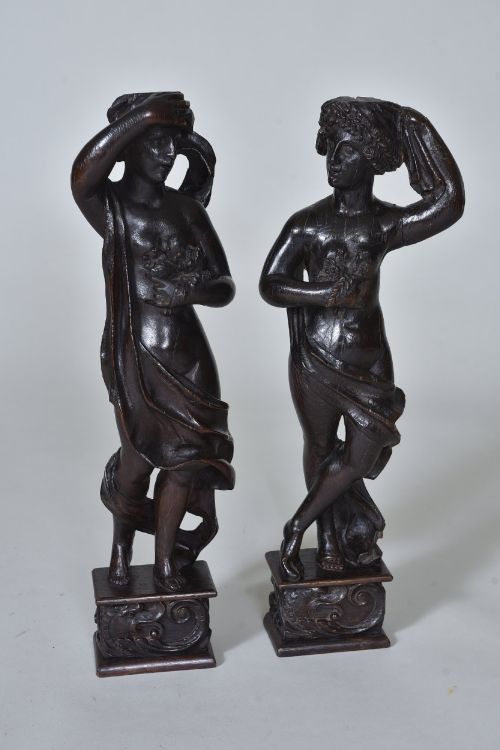
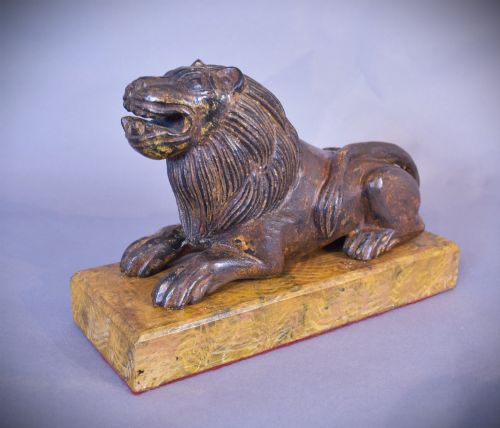
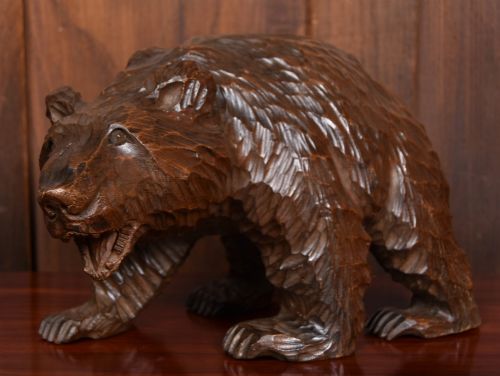
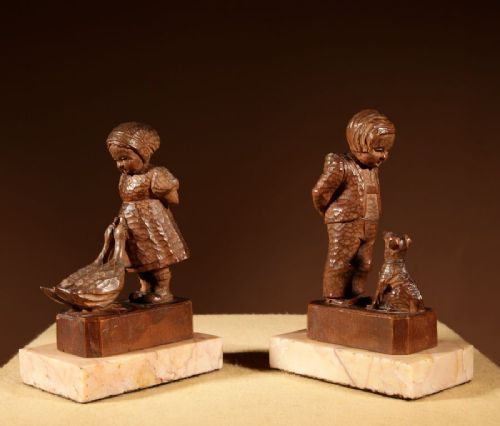
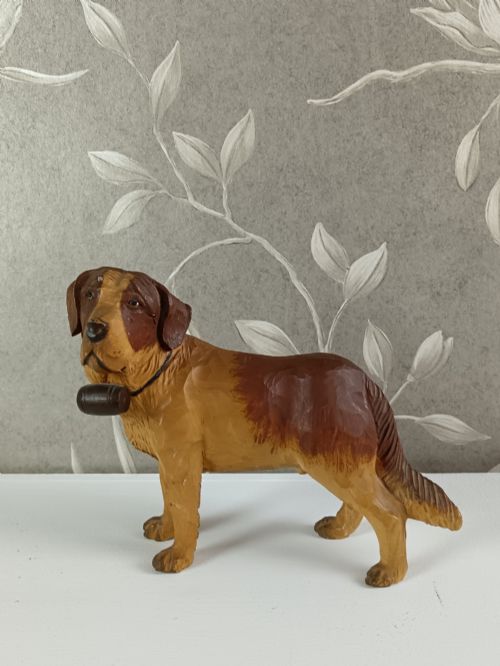
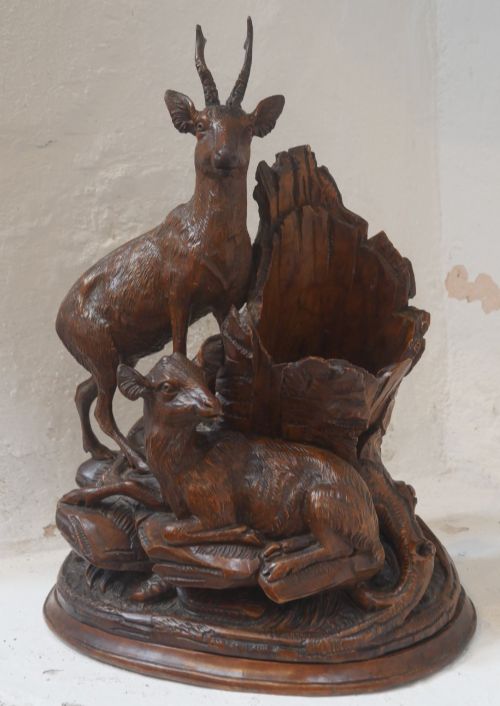
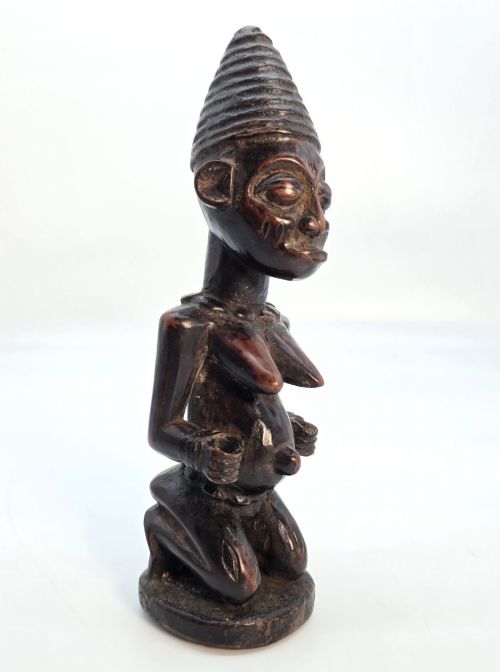
An antique wooden ornament covers a wide variety of carved figures, animals, architectural fragments, and decorative objects found across multiple centuries. These items range from Black Forest bears and folk art animals to architectural urns and religious carvings.
The versions most commonly met on this page date from the nineteenth century, with representation from the eighteenth and early twentieth centuries. They appear in forms such as sculptural groups, bookends, vases, and naive figures.
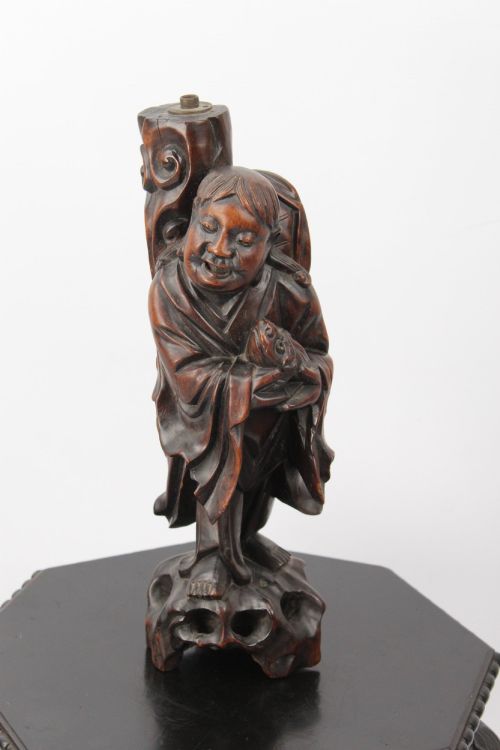
Makers and carvers worked within distinct regional traditions, producing items influenced by Japanese folk art, European Gothic revival, and Anglo-Indian design. Each piece serves primarily a decorative purpose rather than a utilitarian one.
How they were made
Carvers shaped these ornaments using traditional hand tools on a variety of timbers including oak, walnut, limewood, and exotic hardwoods. Grain direction and timber density dictated the depth and intricacy of the carving.
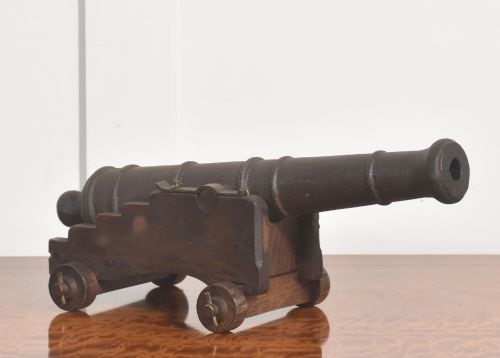
Surface treatments varied from polished natural wood and dark wax finishes to painted highlights and gilded details. Some items incorporate mixed materials such as brass stands, glass elements, or iron mountings to support the wooden body.
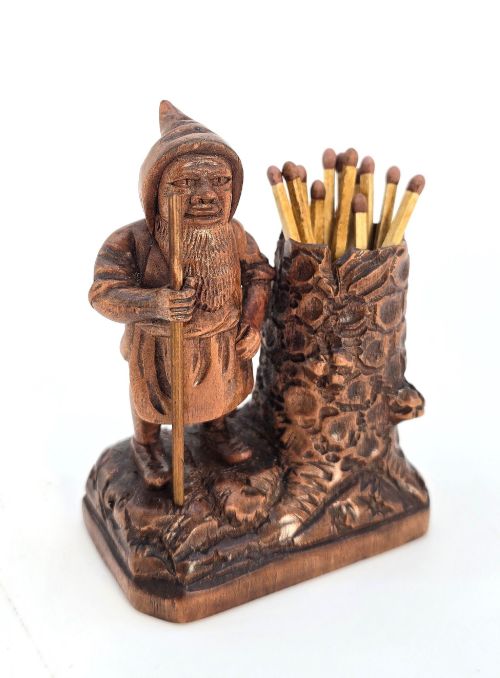
A carved wooden gnome holding a match striker proves that Victorian desk accessories possessed a distinct sense of humour.
What varies in quality
The distinction between ordinary and superior pieces rests on the confidence and depth of the carving. Skilled carvers achieved realistic anatomical movement in figures and animals, while simpler workshop pieces rely on stiff outlines and flat planes.
Preservation of the original surface finish and honest patination heavily influence the standing of an ornament. Pieces retaining their early wax or paint without aggressive over-cleaning preserve the crispness of the original tool marks.
The Antique Wooden Ornament Glossary
- Black Forest
- A style of wood carving originating from Brienz in Switzerland, characterised by realistic depictions of animals, particularly bears, foliage, and rustic forest scenes. These items date predominantly from the nineteenth and early twentieth centuries.
- Folk art
- Decorative objects created by self-taught or provincial artisans working outside mainstream academic traditions. These pieces often display naive proportions and direct use of local materials.
- Limewood
- A pale, fine-grained timber favoured by carvers because it cuts cleanly in any direction without splitting. It holds intricate detail well and was widely used in European figurative carving.
- Treen
- Small handmade wooden household objects and decorative items shaped by turning or carving. The term derives from the old word for tree.
- Architectural salvage
- Elements rescued from buildings undergoing demolition or alteration, including ceiling bosses, finials, and carved panels. These objects are repurposed as decorative ornaments.
Antique Wooden Ornament: Frequently Asked Questions
What is an antique wooden ornament?
An antique wooden ornament is a hand-carved decorative object shaped from timber in past centuries. These pieces encompass figurative sculptures, animal studies, architectural fragments, and folk art carvings.
They were produced across Europe, Asia, and other regions to adorn domestic interiors, libraries, and studies. Each item reflects the aesthetic preferences and woodworking skills of its period.
How do I tell periods apart?
Differentiating periods relies on observing stylistic markers, tool marks, and timber choices. Eighteenth-century pieces often display neoclassical symmetry or heavy oak construction, while nineteenth-century items frequently show romantic or naturalistic influences.
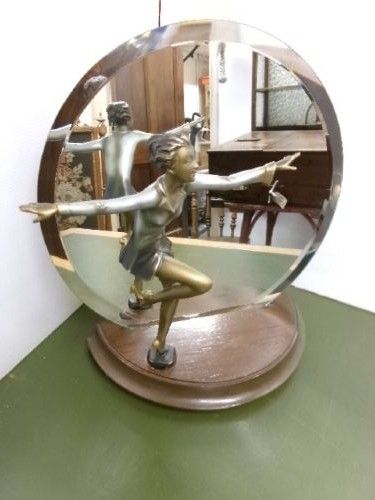
Twentieth-century examples introduce modernist geometries or stylized Art Deco forms. Examining the natural wear and ageing of the wood helps confirm the age of the piece.
How were these ornaments used?
These ornaments served primarily to decorate mantels, sideboards, and display cabinets in homes. Some items combined decoration with a secondary function, such as bookends, inkwells, or match strikers.
Larger figures and architectural elements were integrated directly into room interiors or placed on dedicated display plinths.
How do I live with wood carvings?
Living with wooden ornaments involves placing them away from direct heat sources and strong sunlight to prevent the timber from drying out and cracking. Gentle dusting with a dry cloth keeps the surface clean without stripping the aged patina.
Applying a light, appropriate wax occasionally helps nourish older wood surfaces and maintains their natural finish.