

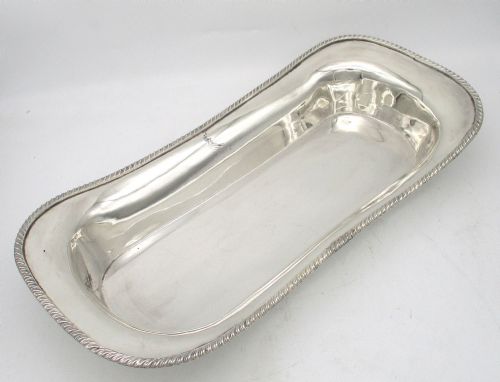


Silver Plated Table Tray
A silver plated table tray brings utilitarian elegance to a room, offering a reflective surface for drinks, dishes or display.
Silver Plated Table Tray
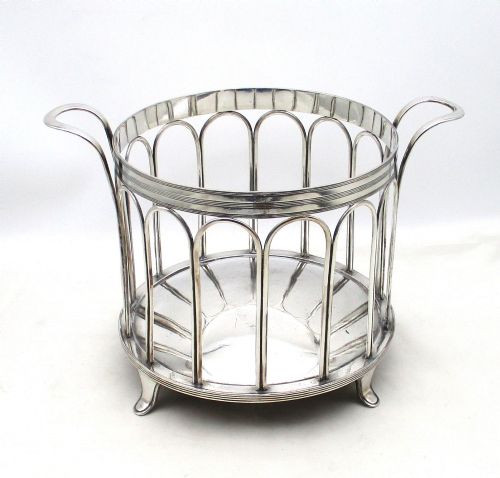
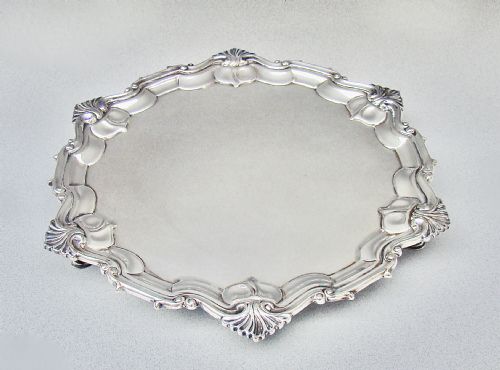
A silver plated table tray encompasses a broad selection of serving pieces, including salvers, butlers trays, wine coasters and entree dishes designed for the dining table or sideboard. These items emerge from the nineteenth century through to the mid twentieth century, spanning periods such as Victorian, Edwardian and Art Deco.
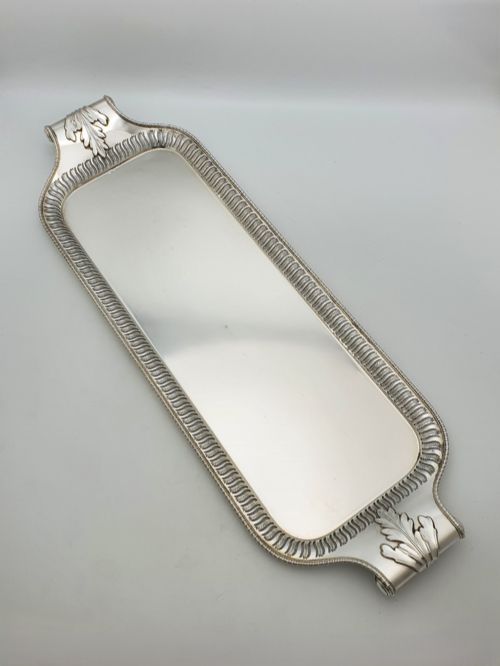
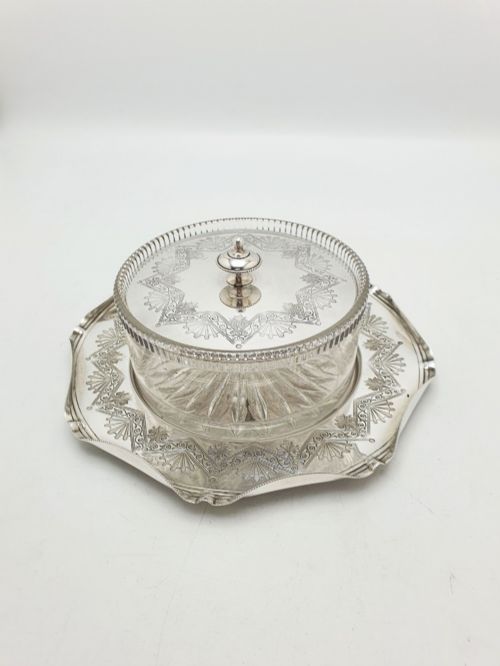
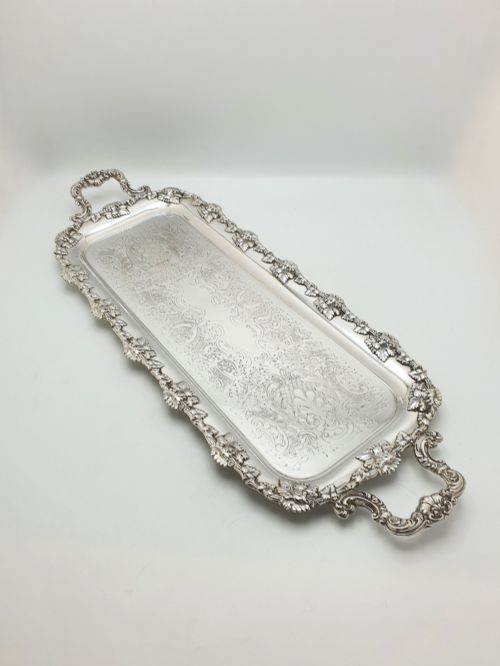
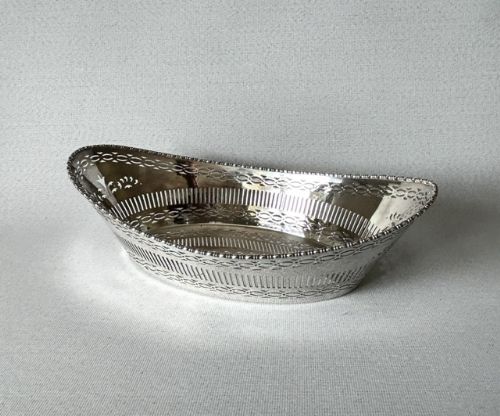
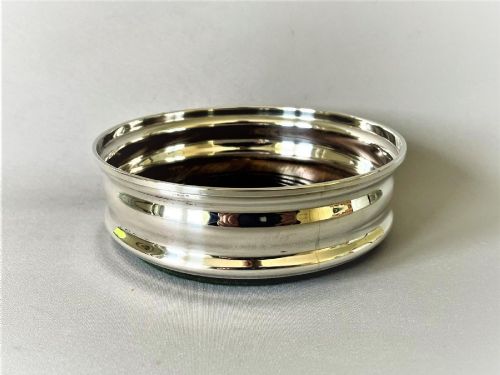
The most common variants on this page are serving trays with pierced or embossed borders, oval platters with intricate scrolls, and specialised vessels like asparagus dishes, butter dishes with glass liners, and bottle coasters incorporating mahogany or cut glass.
Originating largely from British workshops and French makers, these objects reflect the changing domestic dining habits of the Victorian and Edwardian eras, moving from formal service towards versatile household hospitality.
How they were made
Makers utilised copper or nickel silver as a base metal, applying a layer of silver via electroplating (EPNS) or the older fusion method known as Old Sheffield Plate, where a thin sheet of silver was fused to copper.
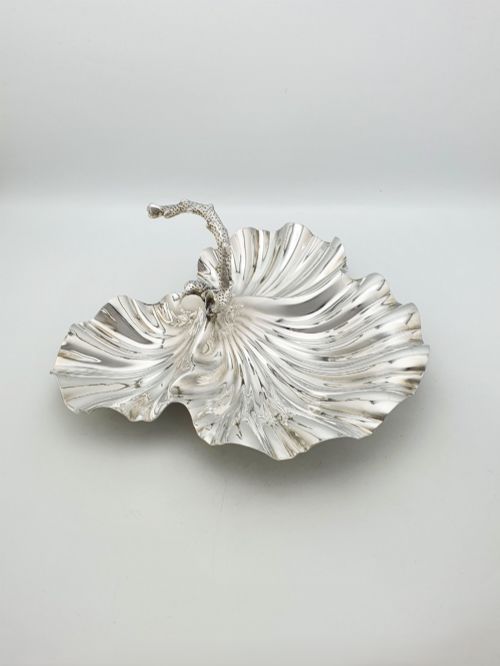
Surface decoration relied on hand-chasing, embossing, and piercing, creating grapevine borders, stylized coral handles, and intricate scrollwork.
Many items combine silver plate with contrasting natural materials such as oak, mahogany, cut glass liners and porcelain components to add texture and practical utility.
What varies in quality
Quality rests in the crispness of the chased or embossed detail and the weight of the underlying base metal, separating sturdy items meant for heavy service from lighter wares.
The durability of the silver plating over copper or nickel silver determines longevity, alongside the retention of original glass liners, wooden bases, or matching covers.
Maker attribution to notable firms influences desirability, as does the complexity of specialised forms such as mirrored plateaux or novelty cruet sets.
William Hutton and Sons·Mappin and Webb·Walker and Hall·Roberts and Belk·Creswick·Brille Paris
The Silver Plated Table Tray Glossary
- EPNS
- Electroplated Nickel Silver. A common base alloy coated with a thin layer of silver through an electrical process.
- Old Sheffield Plate
- An early method of fusing a thin sheet of sterling silver to a copper core before the invention of electroplating.
- Salver
- A flat tray, typically circular with feet, used for serving food or drinks or for presenting cards.
- Entree Dish
- A covered serving vessel designed to keep food warm at the table or sideboard.
- Bottle Coaster
- A small stand with a raised rim, often lined with wood or felt, designed to hold a wine bottle and protect the table.
Silver Plated Table Tray: Frequently Asked Questions
How do I clean a silver plated table tray?
Use a soft cloth and a specialised silver polish designed for plated items to maintain the surface without wearing through to the base metal.
Avoid abrasive cleaners or harsh scrubbing brushes, particularly around engraved scrolls and pierced borders where the plating may be thinner.
Can I use these trays for serving food daily?
Many items, such as entree dishes and serving platters, were built for regular dining use and handle food service well.
Take care with acidic foods like fruit or butter, and wash the pieces gently by hand rather than placing them in a dishwasher.
What is the difference between Old Sheffield Plate and EPNS?
Old Sheffield Plate involves physically fusing a layer of silver to a copper ingot before rolling it into sheets, often revealing a hint of copper along the edges.
Electroplated nickel silver uses an electrical current to bond silver to a white metal alloy, a technique introduced in the nineteenth century.
How do I date an antique silver plated tray?
Examine the style of the decoration, such as Victorian naturalism or geometric Art Deco lines, alongside any maker marks stamped into the metal.
The presence of base materials like nickel silver usually indicates a date after the mid-nineteenth century, while copper edges suggest older fusion plating.