


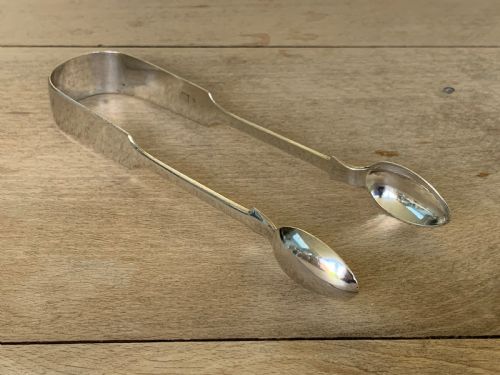


Victorian Silver Tongs
When you search for victorian silver tongs, you enter a diverse field of domestic utensils designed for tea service, dining, and fireside use.
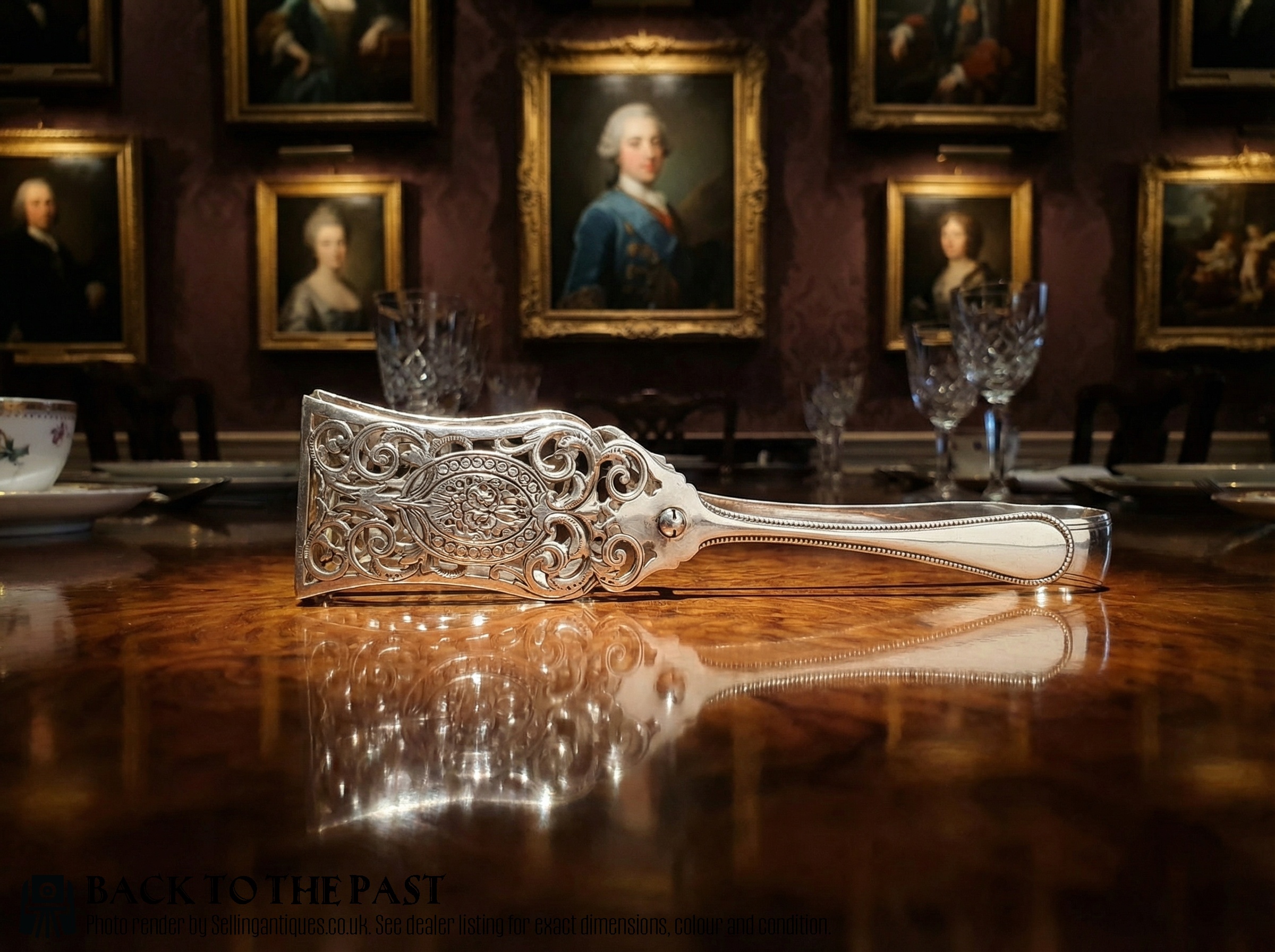
Victorian Silver Tongs
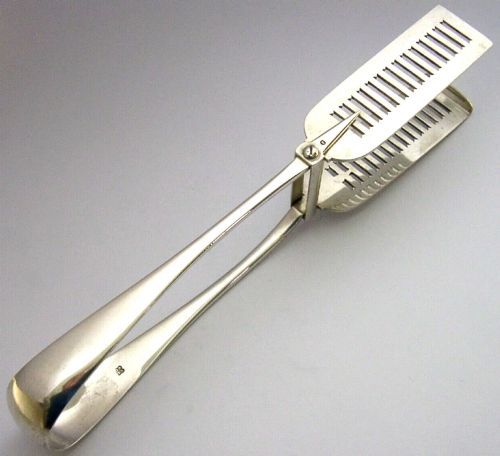
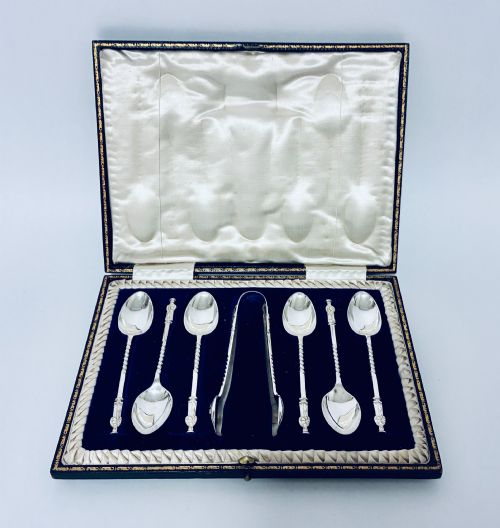
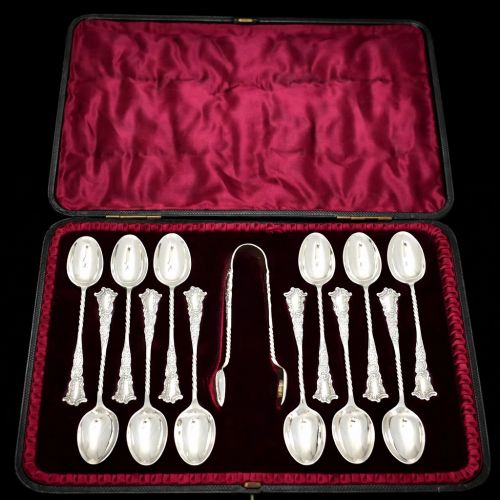
Victorian silver tongs encompass a broad selection of implements, ranging from delicate sugar nips and sugar tongs to substantial asparagus servers, cake slices, and family crested serving pieces. Buyers searching this phrase most commonly encounter smaller sugar tongs, frequently paired with teaspoons in fitted presentation cases, alongside larger specialised serving utensils from provincial and London makers.
Beyond the dining table, the material evidence records utilitarian hearth furniture, including polished steel fire irons and companion tool sets dating across the nineteenth century. These workshop tools share space with domestic silverware, reflecting the varied domestic contexts in which metal tongs were utilised during the period.
How they were made
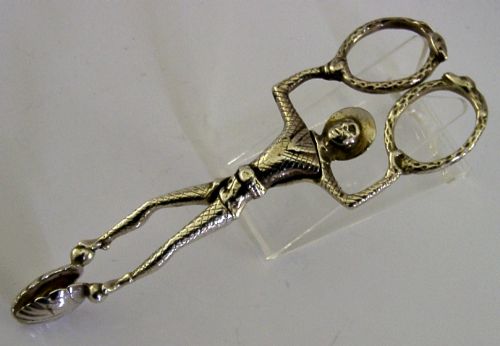
Makers utilised sterling silver and silver plate for table utensils, frequently shaping the metal through casting, piercing, and engraving. Many examples incorporate naturalistic foliate designs, scrollwork, or figurative elements such as harlequin jesters and apostle handles.
For hearth equipment, manufacturers relied on polished steel, producing sturdy fire tools designed for daily domestic service. Cased sets additionally integrated textiles such as velvet, silk, and leatherette to line presentation boxes for silverware.
Object forms range from delicate tea spoons and sugar nips to heavy serving tongs, asparagus servers, and triple companion fire tools.
What varies in quality
The standard of execution depends heavily upon the crispness of casting and the depth of chased or engraved ornamentation on the silver. Pieces featuring detailed naturalistic foliage, pierced ends, or maker-stamped provenance demonstrate superior workshop output compared to plainer utility items.
Weight and balance also differentiate the inventory, with heavier gauge solid sterling silver serving tongs representing a more substantial investment than lighter plated wares or simple steel hearth tools.
Josiah Williams & Co·John Walton·Garrard & Co·Francis Higgins·Robert Stebbings·George Maudsley Jackson·James and Andrew Kelly·Hilliard & Thomason·Robert Pringle & Sons
The Victorian Silver Tongs Glossary
- Sugar nips
- Small spring-action tongs utilised for grasping sugar lumps during tea service. They often feature pivot joints or scissor-like handles.
- Asparagus tongs
- Specialised broad-bladed serving utensils created to lift delicate asparagus spears without damaging them. They frequently display pierced decoration and sprung stems.
- Silver-gilt
- Silver objects that have been coated with a thin layer of gold on the surface. This technique provides a rich inner glow to spoons and accompanying tongs.
- Assay office mark
- Official stamps indicating the testing and standard of precious metal. Marks from London, Birmingham, Sheffield, Chester, Exeter, Newcastle, and Glasgow appear across the inventory.
Victorian Silver Tongs: Frequently Asked Questions
What were silver sugar tongs used for?
Sugar tongs served a central role in formal nineteenth-century tea rituals, allowing hosts to transfer sugar lumps from bowl to cup without touching the food.
They were produced in various sizes and spring designs, frequently matching accompanying teaspoons within fitted presentation boxes.
How do I identify asparagus tongs?
Asparagus tongs feature wide, flat blades or rectangular pierced platforms designed to securely cradle long vegetable spears during formal dining.
They are noticeably larger than sugar nips and often incorporate sprung handles for one-handed operation.
What is the difference between sterling and silver-plate?
Sterling silver denotes solid precious metal meeting official purity standards, usually verified by assay office hallmarks stamped directly onto the piece.
Silver-plate consists of a base metal core covered by a thin outer layer of silver, offering a similar appearance at a different production level.
How should I store cased silver tongs?
Cased sets benefit from being kept in their original fitted boxes lined with velvet, silk, or leatherette, which help protect the metal from excessive atmospheric tarnish.
Store them in stable environmental conditions away from direct heat sources and high humidity.