
Antique Silver Servers
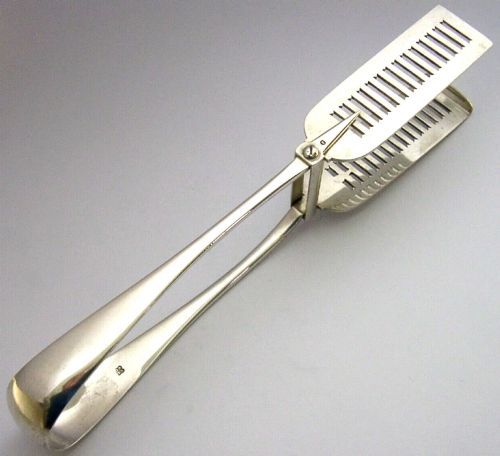
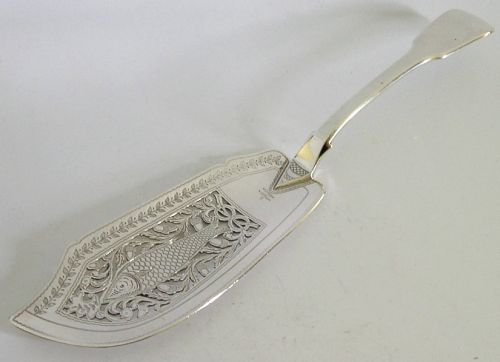
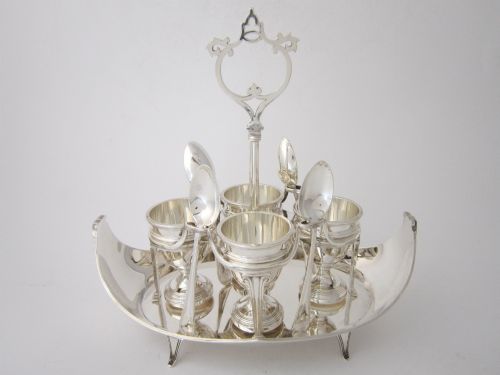
These antique silver servers encompass everything from salad forks to fish slices and asparagus tongs designed for formal dining.
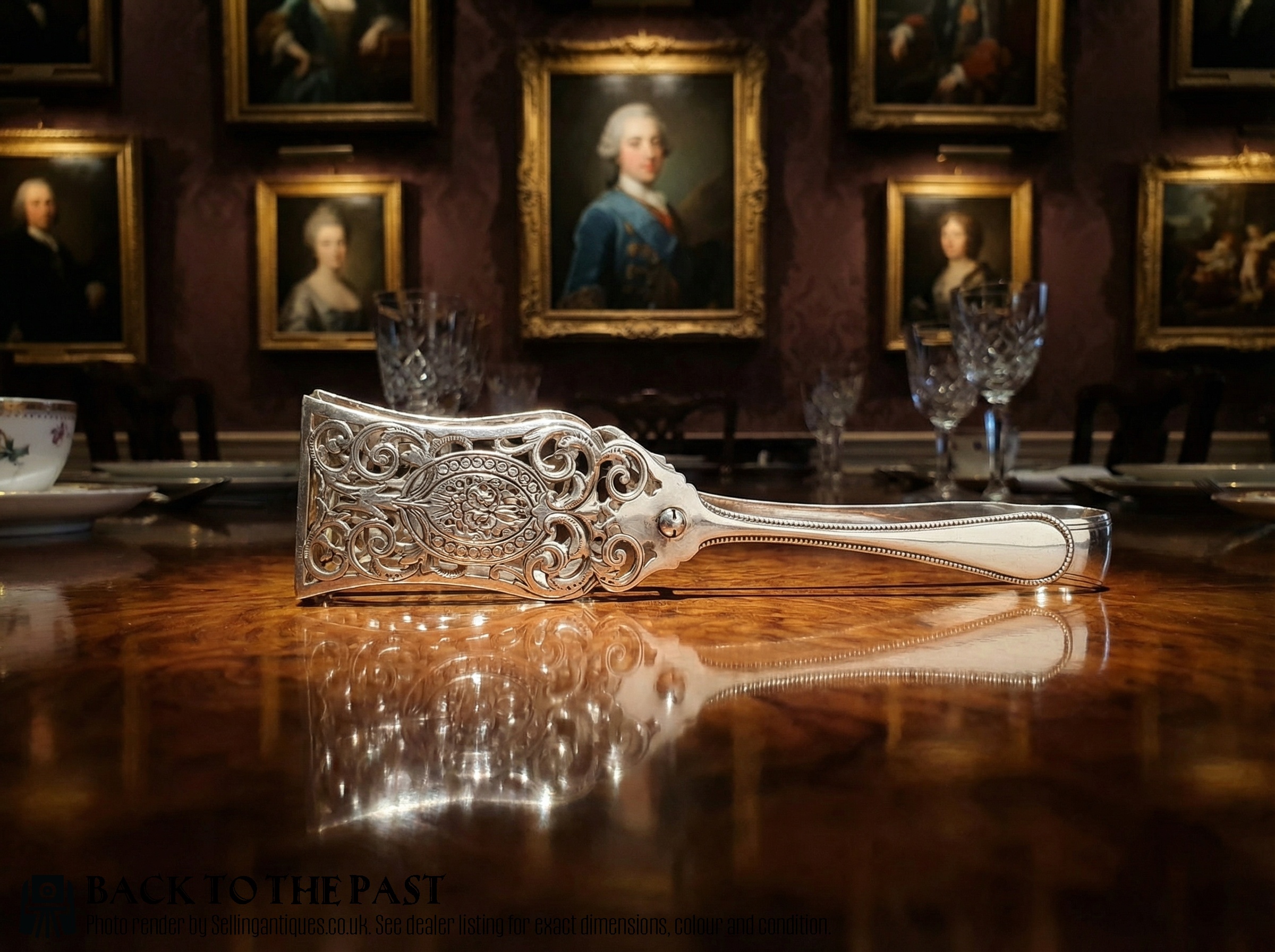
Defining antique silver servers
Antique silver servers include a diverse array of specialised dining utensils designed for distinct courses, with salad servers, fish servers, and asparagus tongs appearing most frequently across the collection.
The pieces span several decades and styles, ranging from Georgian and Victorian designs to Arts and Crafts, Art Nouveau, and mid-century items.
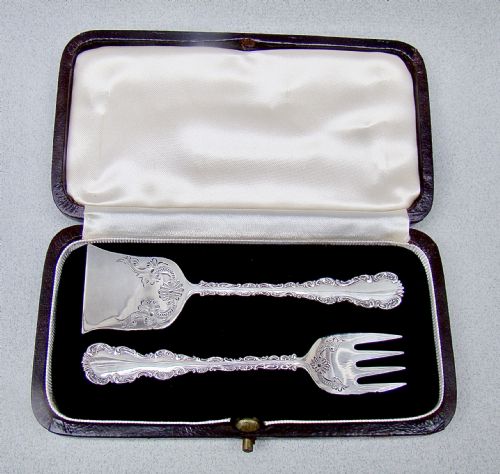
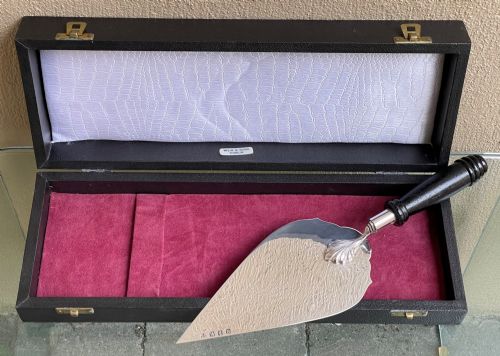
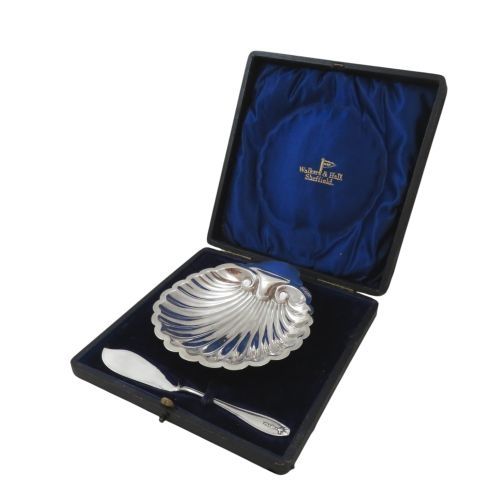
Many examples are encountered as matched pairs or within fitted presentation cases, sometimes accompanied by satin, velvet, or leather linings.
Materials and construction
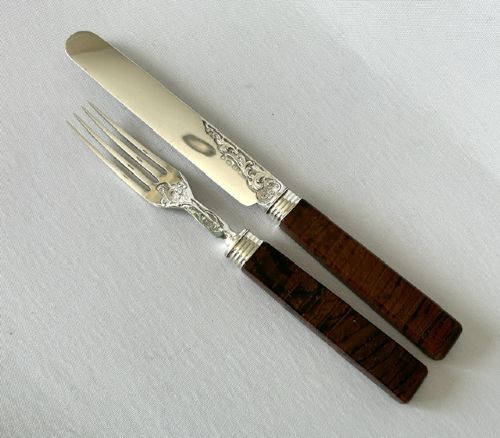
Makers utilised sterling silver alongside silver plate, frequently pairing metal with organic materials such as mother of pearl, ebony, and oak components.
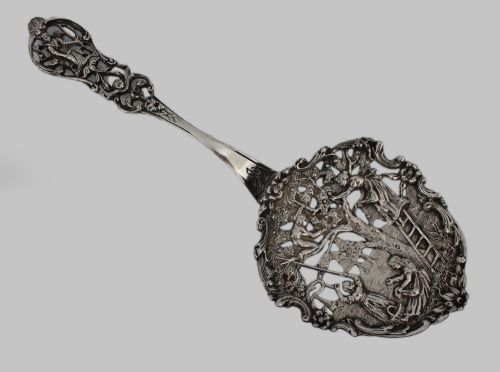
Individual items demonstrate specific manufacturing techniques, including pierced work for fish servers, embossed ribbon and reed motifs, and cast elements for heavy serving tongs.
Retail Price Guide 2026
Typical UK retail prices for silver servers, calculated from the Sellingantiques database of over a million retail prices indexed since 2003. This retail price guide relies exclusively on Sellingantiques data; no external sources or auction records are used, so the figures do not describe the wider market.
Solo asparagus tongs cater strictly to individual portions, proving that Victorians invented specialised cutlery for almost every single vegetable on the plate.
Distinctions in craftsmanship
The upper tier of pieces displays substantial metal weight and detailed decorative work, such as hand-chased botanical motifs or bespoke armorial crests.
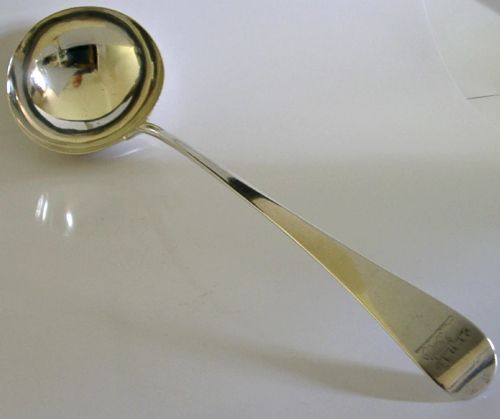
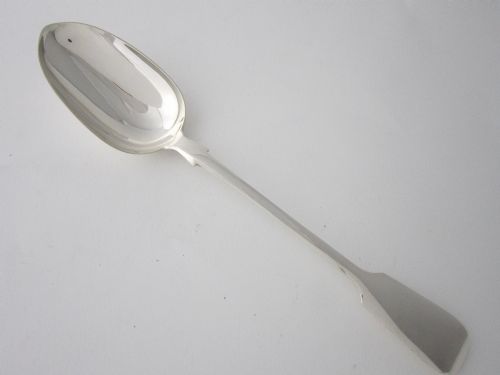
Simpler utensils rely on standard commercial patterns like Old English or Fiddle pattern, where the gauge of the silver and the crispness of the hallmarks determine the distinction between ordinary and superior output.
Henry Wilkinson·Garrard and Co·John Grinsell and Son·Daniel and Arter
The Antique Silver Servers Glossary
- Sterling silver
- An alloy containing a high proportion of pure silver combined with other metals to ensure durability for tableware. It carries official assay office hallmarks.
- Fiddle pattern
- A traditional cutlery handle shape featuring a narrow stem that broadens near the terminal into a flat, shoulder-notched outline resembling a stringed instrument.
- Ribbon and reed
- A classical decorative motif comprising a narrow band bound by a tied ribbon, often repeated along the borders of serving utensil handles.
- Silver gilt
- Sterling silver that has been coated with a thin layer of gold on the surface, creating a rich two-tone or fully golden finish inside bowls and prongs.
Frequently Asked Questions
What were antique silver servers used for?
These utensils served specific culinary functions at formal dining tables, where hosts used dedicated servers for greens, fish courses, or delicate items like asparagus.
Different designs matched the precise requirements of each dish, preventing damage to fragile food while maintaining social etiquette during multi-course meals.
How do I care for silver servers?
Routine maintenance involves gentle washing in warm soapy water followed by thorough drying with a soft cloth to preserve the surface finish.
Regular handling and careful storage in lined boxes or anti-tarnish rolls prevent excessive oxidation and scratches on both the silver and organic handles.
Are cased servers rarer?
Original presentation cases frequently survived alongside the utensils because families reserved these specialised sets for formal occasions or gift-giving.
Cases lined with satin, velvet, or leather provide evidence of how past owners protected their investment between uses.
How are different periods identified?
Hallmarks stamped directly onto the metal provide reliable indicators of origin, including assay office symbols, date letters, and maker marks.
Stylistic shifts, such as the flowing organic lines of Art Nouveau or the robust forms of the Victorian era, offer further visual clues to a piece's age.