

Vintage Silver Cutlery
Vintage silver cutlery brings substance to the table, spanning solid sterling services, plated servers and fitted presentation cases from the Georgian era to the mid-century.
Vintage Silver Cutlery
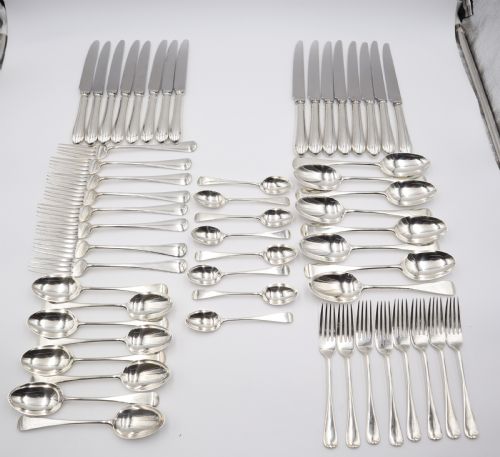
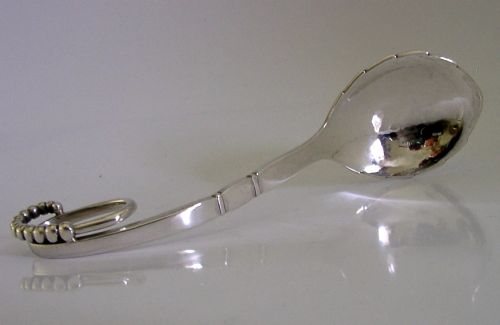
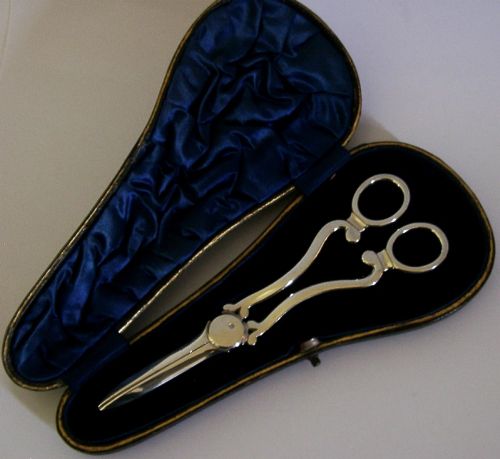
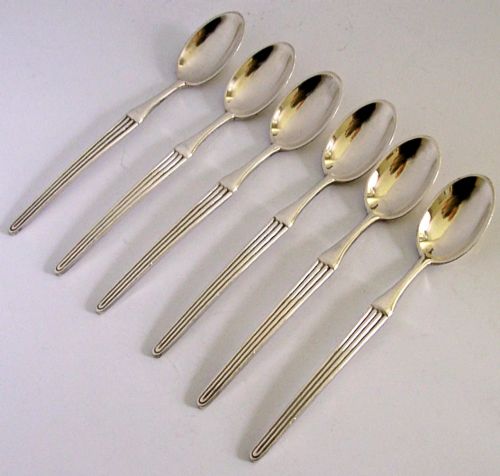
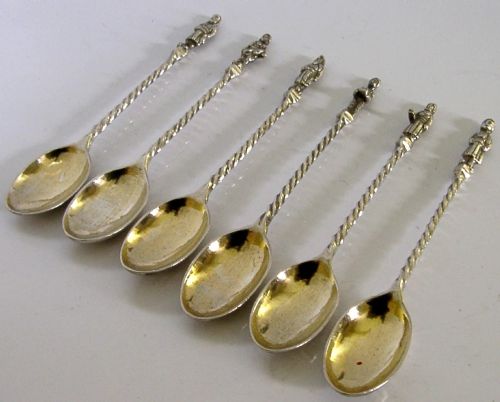
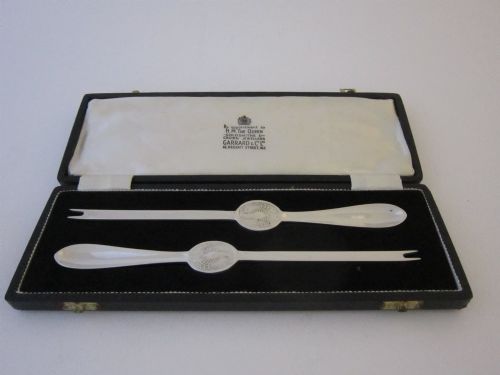
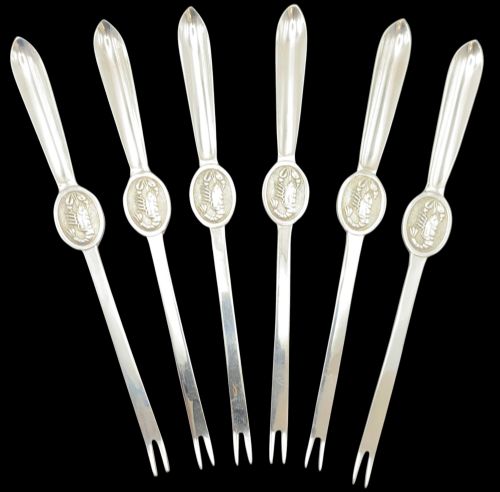
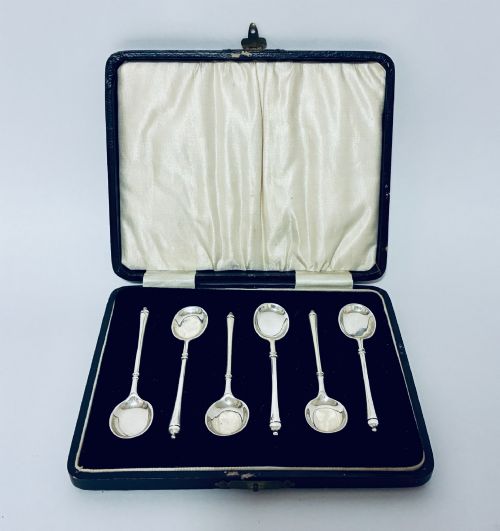
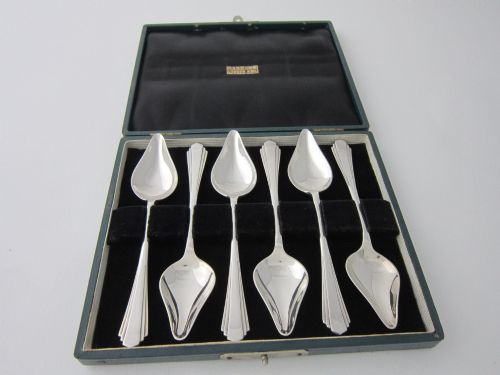
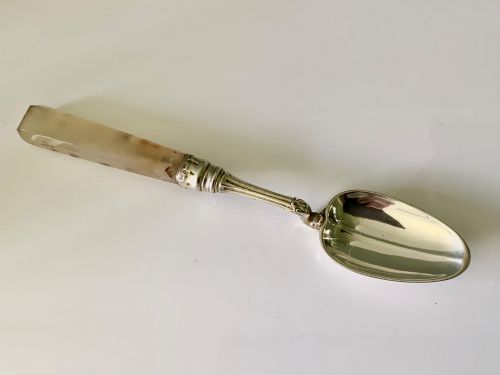
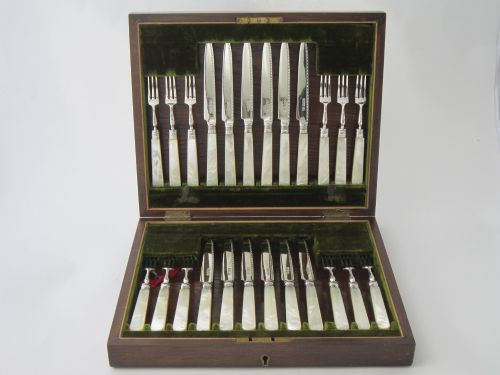
Vintage silver cutlery encompasses individual spoons, cased sets, and specialist serving pieces spanning the Georgian, Victorian, Edwardian, and mid-century periods. These items range from simple sterling teaspoons and grapefruit spoons to elaborate grape shears, lobster picks, and complete flatware canteens.
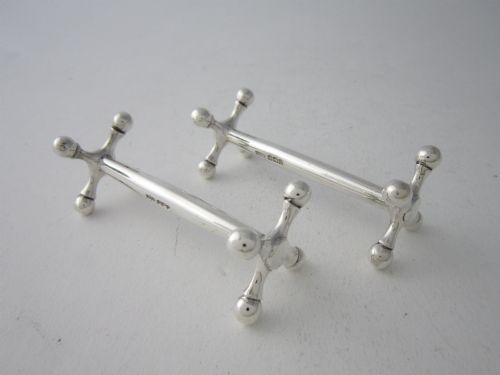
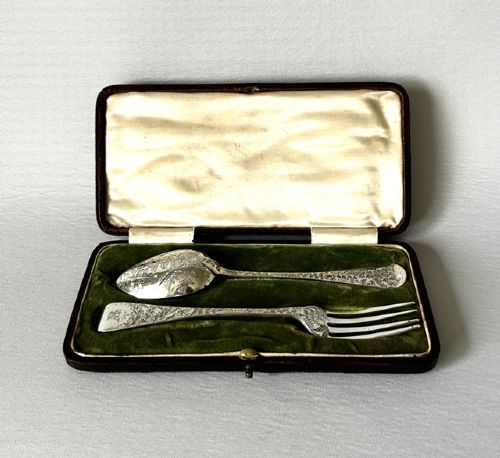
The selection includes boxed christening sets, fish serving forks, asparagus tongs, and knife rests executed in styles from Arts and Crafts and Art Deco to Gothic and Egyptian Revival. Materials paired with the metal include mother of pearl, agate, steel, antler horn, and glass.
Materials and construction
Makers utilised solid sterling silver and silver plate over base metals, often combining them with organic handles carved from mother of pearl, agate, or antler horn. Steel blades appear on specialised knives and carvers, while presentation boxes feature linings of velvet, leatherette, silk, and leather.
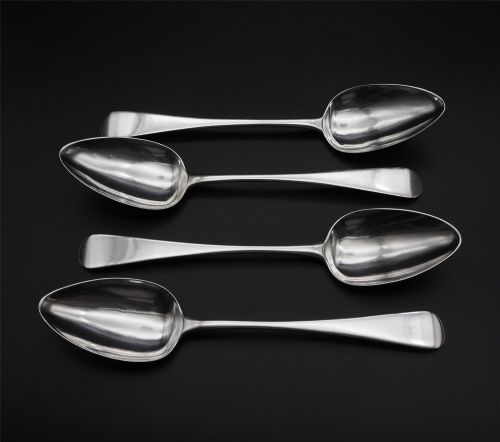
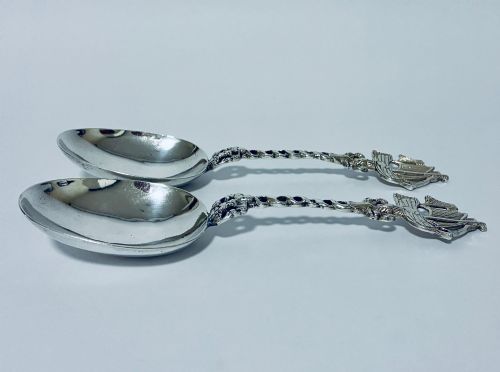
Techniques range from cast figural work and rat-tail bowls to hand-engraved fish servers and stamped Art Deco patterns.
Vintage Silver Cutlery Retail Price Guide 2026
Typical asking prices for vintage silver cutlery among the pieces listed under this phrase on Sellingantiques today, from the lower quarter to the upper quarter. They describe what is for sale here now, not the wider market.
Listings feature sterling silver and silver plate across Victorian, Edwardian, and mid-century periods, paired with materials like mother of pearl, velvet, and agate.
Quality and execution
Weight and gauge set finer services apart, evident in heavy-gauge sterling silver spoons and substantial canteens that resist flexing during use. Superior examples display crisp chasing, clear hallmarks, and well-balanced handles.
The integrity of secondary materials dictates overall merit, seen in tightly pinned mother of pearl panels, smoothly polished agate inlays, and robustly hinged presentation cases lined in silk or velvet.
Georg Jensen·Garrard·Christofle·Tiffany·Hamilton and Inches
The Vintage Silver Cutlery Glossary
- Sterling silver
- A silver alloy containing 92.5 percent pure silver and 7.5 percent other metals, usually copper, ensuring durability for daily dining.
- Silver plate
- A base metal substrate coated with a thin layer of silver through electroplating or older Sheffield plating methods.
- Marrow scoop
- A narrow, double-ended spoon designed during the Georgian period for extracting marrow from animal bones.
- Rat tail
- A tapering tongue of metal extending from the handle down the back of a spoon bowl to reinforce the joint.
Vintage Silver Cutlery: Frequently Asked Questions
How do I clean vintage silver cutlery?
Wash pieces by hand in warm soapy water using a soft cloth, then dry them immediately with a lint-free towel. Avoid abrasive dips and harsh scrubbing brushes that remove the underlying plating or scratch sterling surfaces.
Store items in tarnish-resistant cloth rolls or lined presentation cases when not in use. Regular handling and gentle washing prevent heavy tarnish accumulation without wearing down fine hallmarks and engravings.
Can I use sterling silver cutlery daily?
Sterling silver and heavy plate are durable enough for everyday meals if treated with basic care. Hand washing prevents the high heat and harsh detergents of modern dishwashers from damaging organic handle materials like mother of pearl or antler.
Using wooden or silicone serving utensils alongside silver pieces minimises scratching during shared meals. Over decades of regular use, silver develops a soft patina that marks its history.
What is the difference between sterling and plate?
Sterling silver is solid metal right through, bearing official hallmarks that indicate purity, assay office, and maker. Silver plate consists of a base metal, such as nickel silver or copper, covered in a thin coating of pure silver.
Plated items offer the bright appearance of silver at a lower weight and cost. Hallmarks on plated wares usually denote the plating process rather than solid precious metal content.
How do I date antique cutlery sets?
British sterling silver bears date letters stamped by assay offices, which correspond to specific years of manufacture. Stylistic markers such as engraved Art Deco geometrics, Victorian floral chasing, or Georgian rat-tail bowls also narrow down the period.
Fitted boxes, maker marks, and accompanying paperwork provide additional clues. Comparing the crests and monograms to known historical periods helps confirm the timeline.