

Birmingham Hallmarked Silver
Discover birmingham hallmarked silver pieces, ranging from Georgian vinaigrettes to Edwardian photo frames crafted in the midlands assay office.
Birmingham Hallmarked Silver
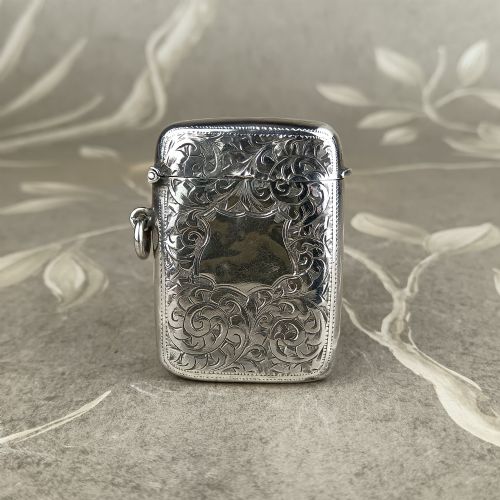
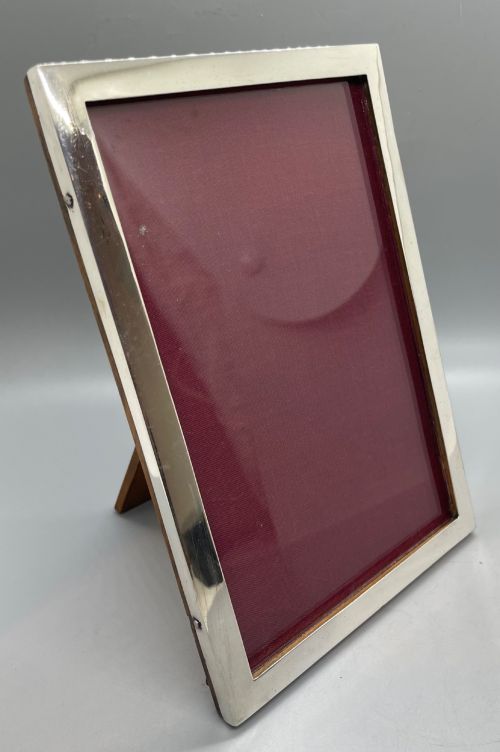
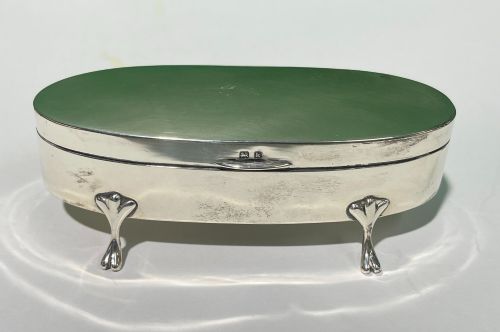
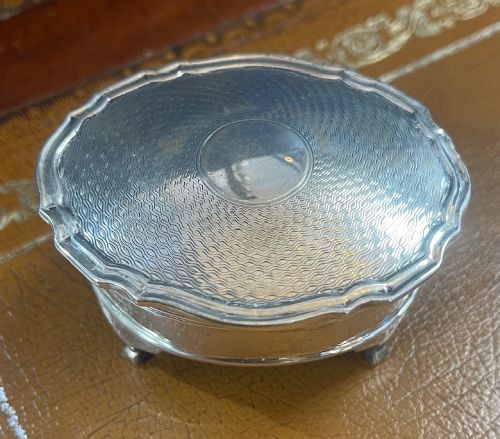
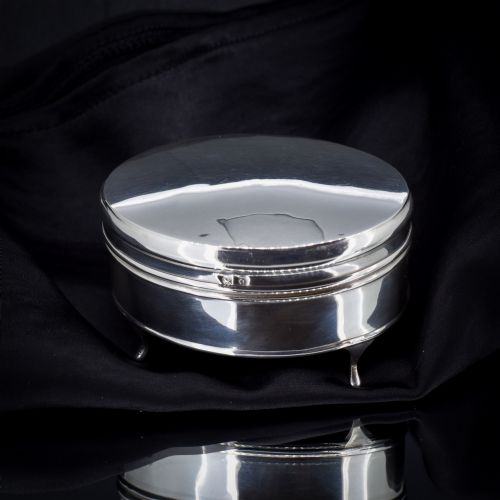
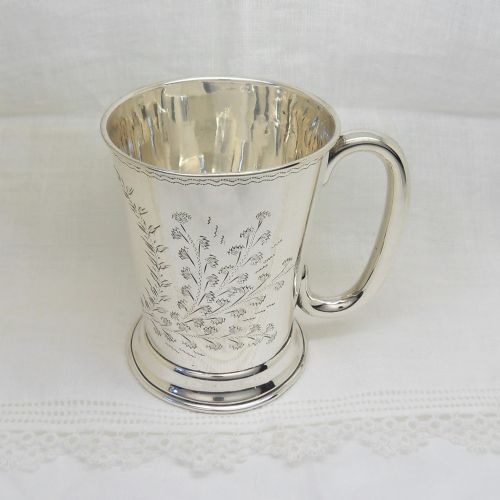
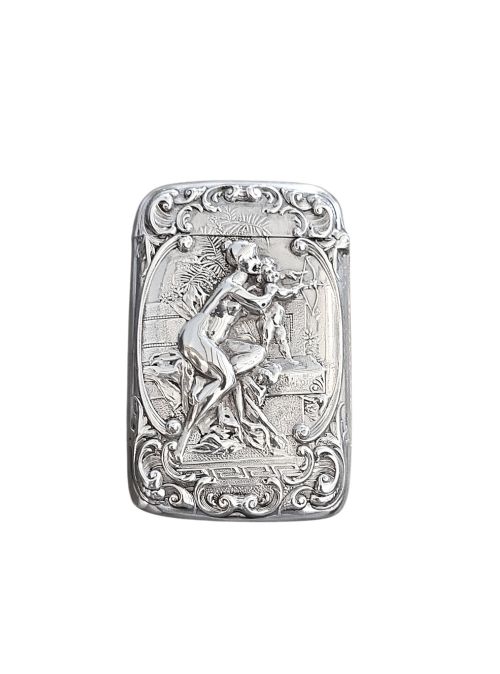
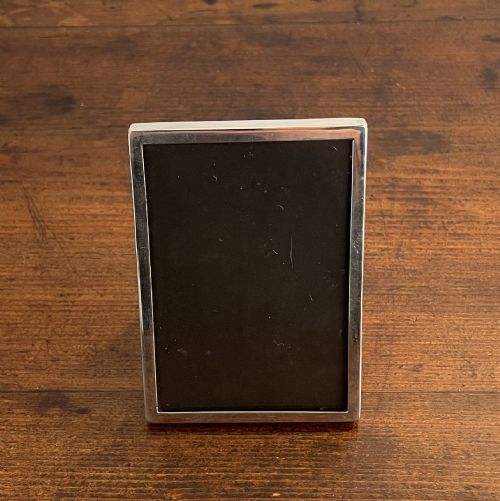
Birmingham hallmarked silver covers a vast domestic output spanning the Georgian, Victorian, Edwardian, and Art Deco eras. Buyers frequently encounter tabletop accessories, photo frames, vesta cases, and small boxes stamped with the anchor symbol.
The objects reflect the industrial specialisation of the Midlands silversmithing trade, moving from Georgian silver gilt vinaigrettes to mass-produced Edwardian trinket boxes and 1920s compacts.
How They Were Made
Sterling silver formed the primary structural body, often combined with secondary materials such as glass for flasks, wood and velvet for photo frame backs, and silk or leather for fitted cases.
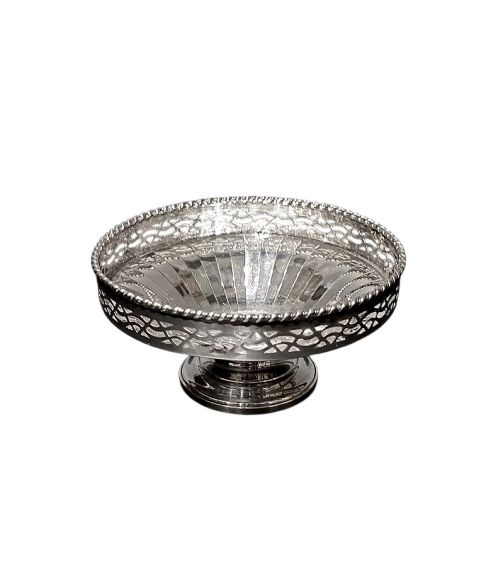
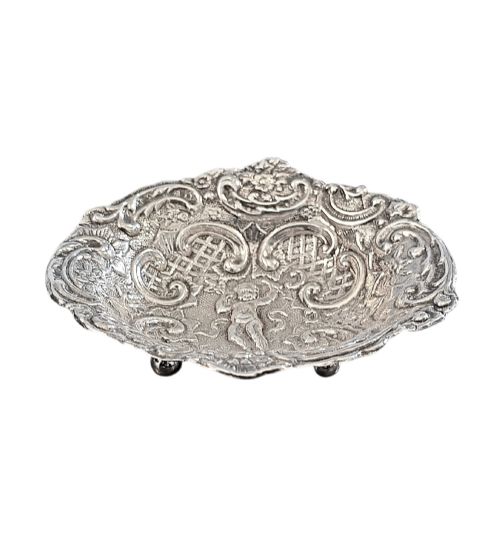
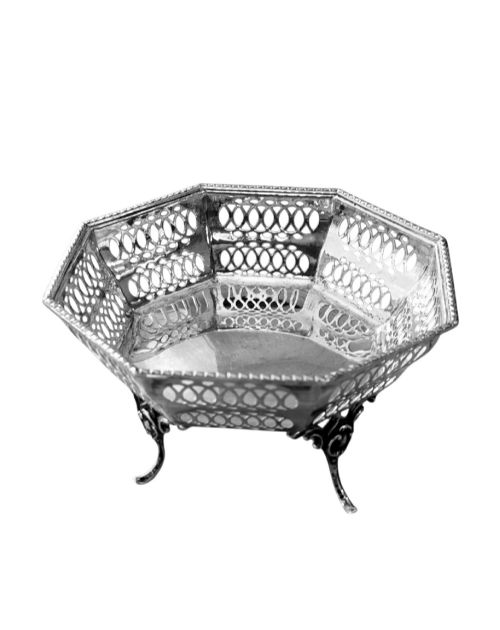
Techniques ranged from hand-chased ornamentation and pierced decoration on baskets and bowls to machine-rolled sheet silver utilised in standard vesta cases and cigarette items.
Birmingham Hallmarked Silver Retail Price Guide 2026
Typical asking prices for birmingham hallmarked silver among the pieces listed under this phrase on Sellingantiques today, from the lower quarter to the upper quarter. They describe what is for sale here now, not the wider market.
Some Birmingham workshops turned safety matches into miniature art by housing them inside sterling silver miniature padlocks and owls.
What Varies In Quality
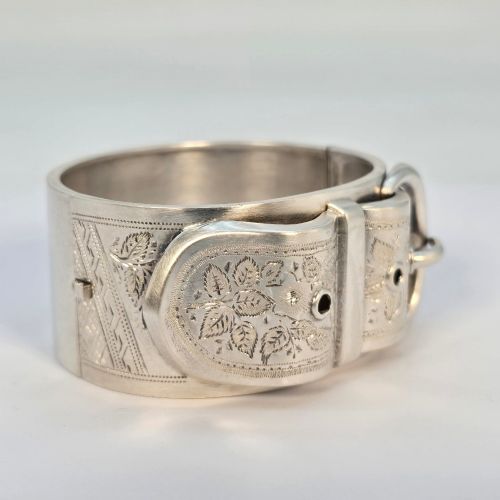
The standard of a piece depends heavily on the crispness of the maker's mark and the depth of the original chasing, which can soften through over-enthusiastic cleaning across generations. Items incorporating enamel, crocodile skin, or specific figural forms display greater individual artistry than standard utilitarian table wares.
Charles Penny Brown·Levi And Salaman·Samuel Pemberton·Ev Pledge And Son·Thomas Hayes·Robert Thornton·Wi Broadway And Co·James Fenton·Daniel Manufacturing Co·William Neale·George Unite·Crisford And Norris·G Norman·Henry Matthews·The Barker Brothers·Mappin And Webb·Adie Brothers·Joseph Gloster Ltd·A L Dennison·William Suckling Ltd·Nathaniel Mills·Joseph Taylor·Colen Hewer Cheshire·Joseph Willmore
The Birmingham Hallmarked Silver Glossary
- Assay office
- The official body that tests precious metals and applies statutory marks. The Birmingham office uses an anchor symbol.
- Vesta case
- A small pocket container used to hold matches. These often featured spring-loaded lids and striker grooves on the base.
- Vinaigrette
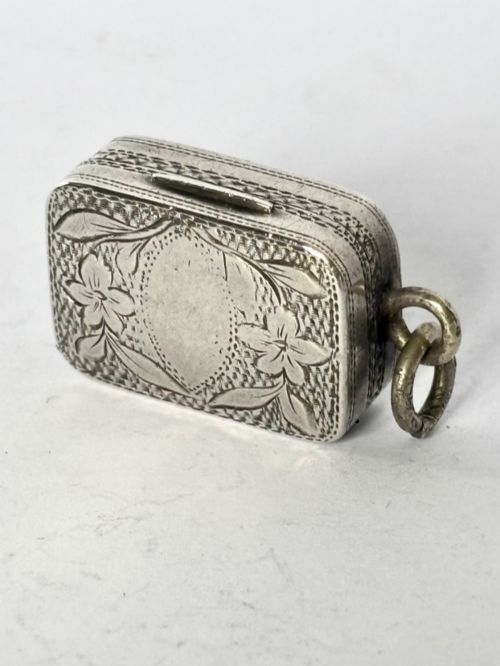
- A small ornamental box containing a perforated grille over a sponge soaked in aromatic vinegar. They date predominantly from the Georgian and early Victorian periods.
- Caddy spoon
- A short-handled spoon designed for measuring loose tea leaves from a canister. Birmingham makers produced these in varied novelty shapes such as jockey caps.
Birmingham Hallmarked Silver: Frequently Asked Questions
How do I read a Birmingham hallmark?
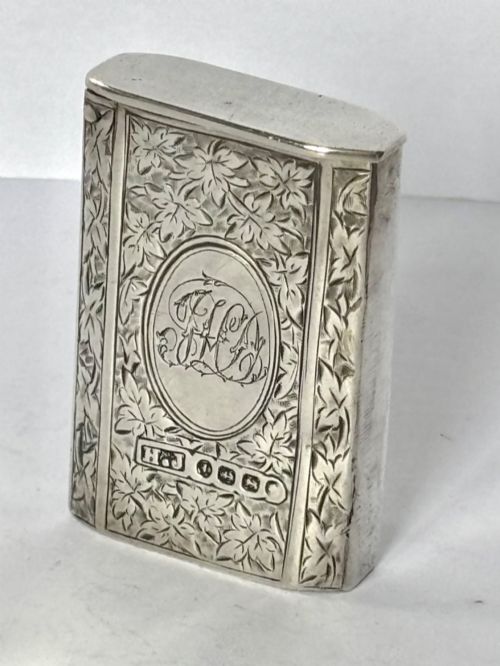
A complete hallmark sequence includes a maker's mark, the lion passant for sterling silver, the anchor town mark for Birmingham, and a sequential date letter indicating the year of assay.
Matching these individual punches against published assay office registers reveals the exact year of manufacture and the workshop responsible.
What items were commonly made in Birmingham?
Birmingham silversmiths specialised in small portable luxuries, desk accessories, and personal effects rather than large dining services.
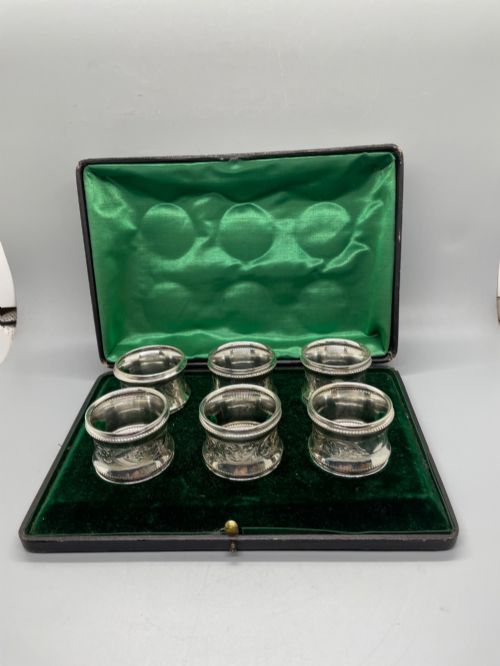
Common survivals include photograph frames, vesta cases, card cases, trinket boxes, and napkin rings produced in volume during the Victorian and Edwardian periods.
Are novelty silver items genuine?
Makers frequently produced novelty items such as miniature animals, jockeys' caps, and padlock-shaped vestas to appeal to the Victorian and Edwardian gift markets.
These pieces carry standard hallmarking punches on the exterior or interior rims just like conventional utilitarian silver objects.
How do I clean antique silver safely?
Antique silver requires gentle maintenance using specialised non-abrasive cloths and mild detergents to preserve surface detail and original hallmarks.
Harsh chemical dips strip away the natural dark oxidation in recessed crevices, which collectors rely upon to define chased and engraved patterns.