


Vintage Silver Basket
These vintage silver basket examples range from solid sterling fruit vessels to plated bread carriers, bringing period craftsmanship straight to the table.
Materials and construction
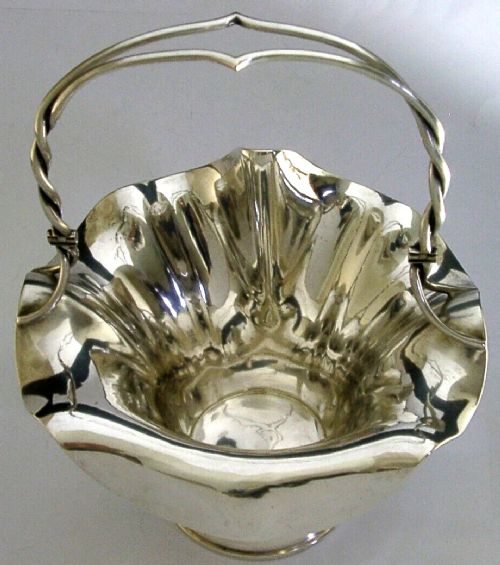
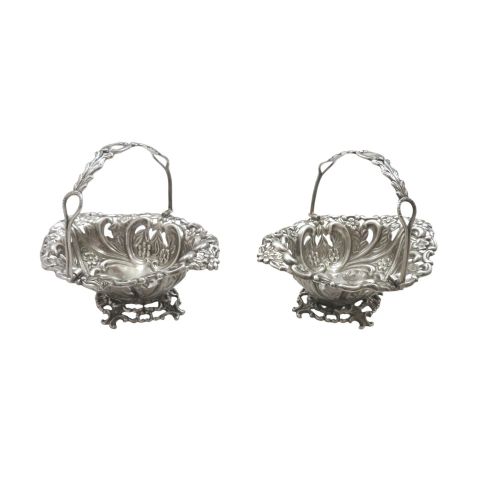
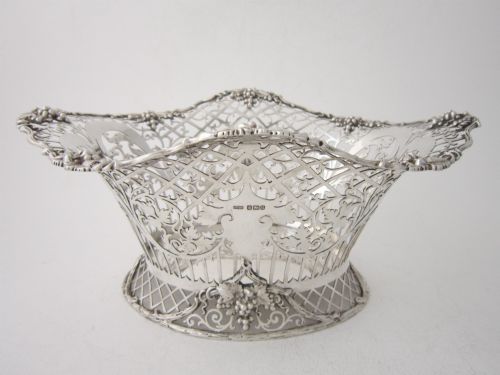
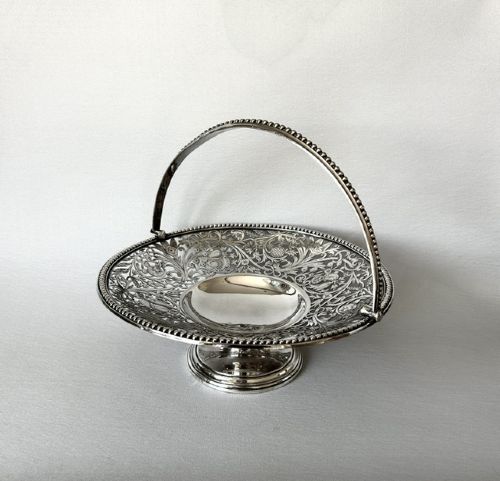
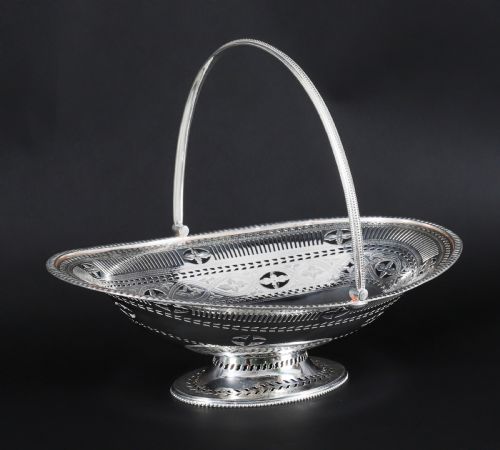
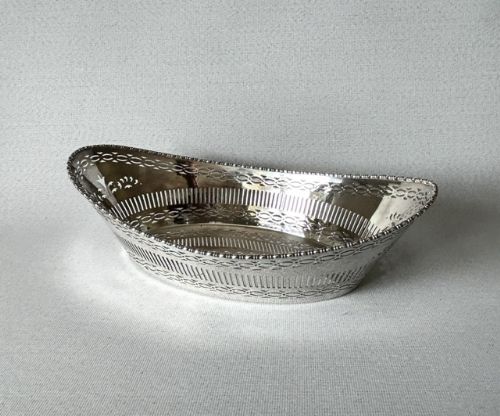
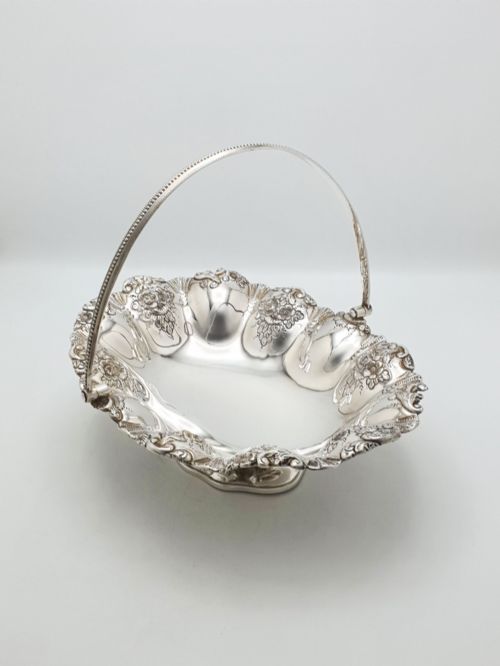
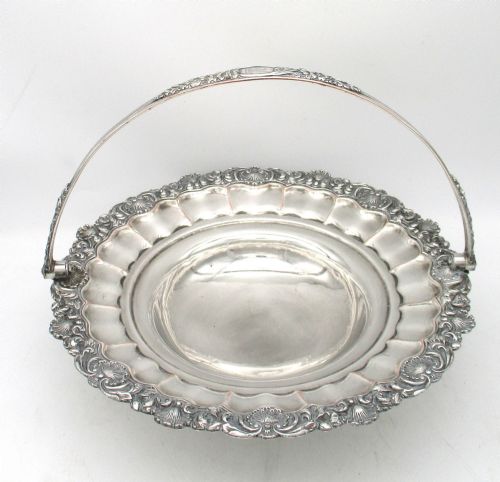
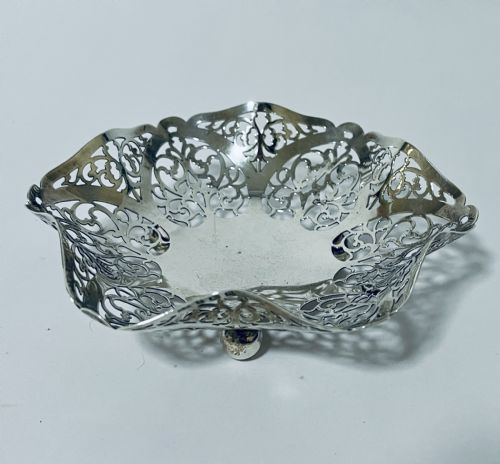
Makers utilised solid sterling silver and various plating methods, including Old Sheffield plate and standard silver plate over base metals like copper. Many vessels incorporate pierced metalwork, lattice patterns, and floral repoussé rims shaped by hand or press.
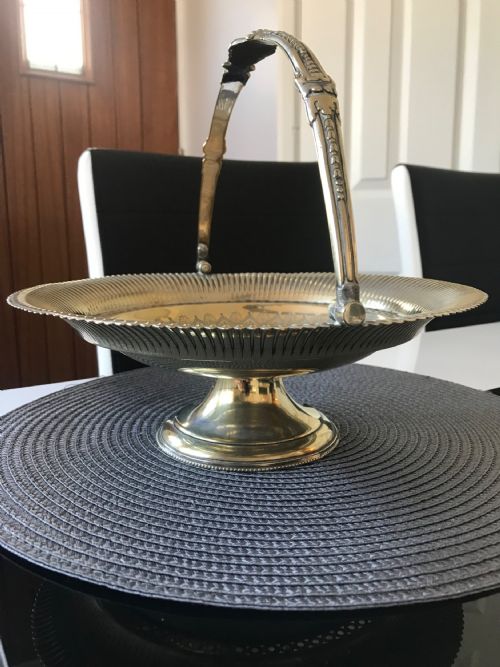
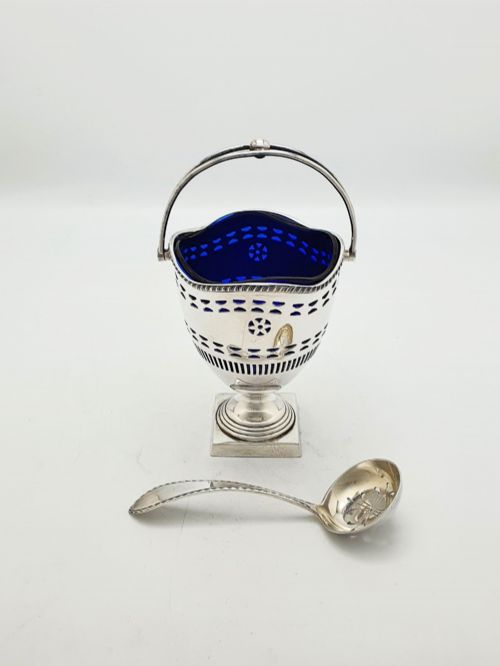
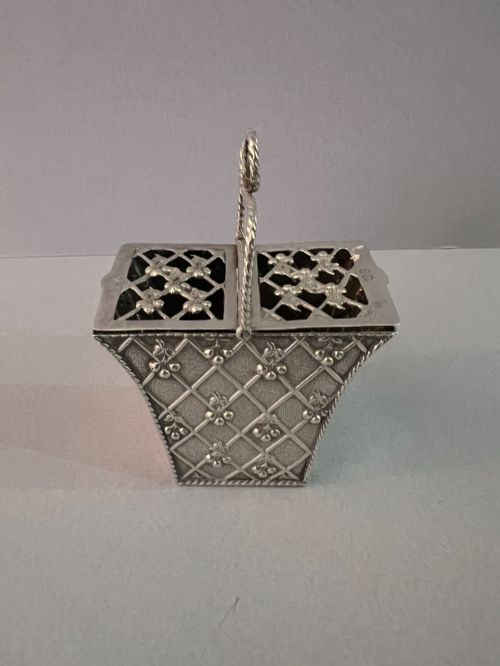
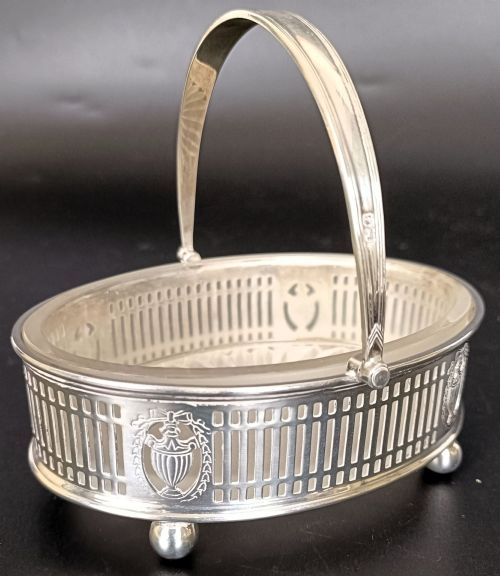
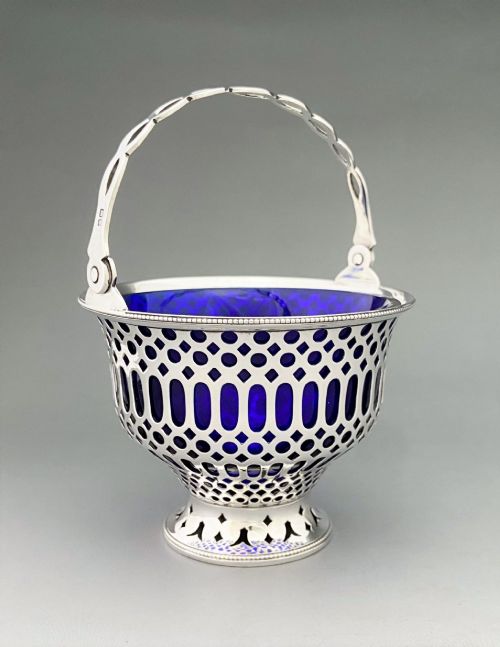
Interiors frequently rely on contrasting materials, holding blue cobalt glass liners, wooden components, or ceramic pots within the pierced metal frames. Swing handles attach via pins or hinges to oval and round bowls, whilst wirework examples utilise soldered structural wire.
Assessing the pieces
Quality rests upon the weight of the metal, the crispness of the repoussé or pierced ornamentation, and the preservation of the underlying silver or plating. Solid sterling examples from recognised makers command attention for their substantial heft and structural integrity.
The finesse of the artisan work distinguishes standard production items from superior pieces, particularly in hand-pierced lattices and detailed swing handle mechanisms. The inclusion of original glass liners or bespoke designer execution elevates the standing of individual serveware.
The documented styles span Victorian, Edwardian, Art Deco, George V, Georgian, Art Nouveau, Neoclassical, and Regency periods.
Mappin & Webb·John Hunt·Fenton·Roberts and Belk·Brille Paris
The Vintage Silver Basket Glossary
- Sterling silver
- A silver alloy containing 92.5 percent pure silver by mass, with the remainder consisting of other metals like copper. This standard marks high-grade domestic silver items.
- Old Sheffield plate
- An early method of fusing a thin sheet of silver to a thicker copper base ingot before rolling them into sheets. This technique predates modern electroplating.
- Repoussé
- A metalworking technique where an artisan hammers the metal from the reverse side to form a raised design in relief. Floral motifs often appear executed in this manner.
- Pierced work
- Perforating or cutting openwork patterns through the metal wall of a basket or bowl. This reduces weight and creates decorative lattice designs.
- Swing handle
- A movable arched handle attached to the rim of a basket by pivots or hinges. It allows the handle to fold down to either side.
Vintage Silver Basket: Frequently Asked Questions
What were silver baskets used for?
These vessels held bread, fruit, sugar, or sweetmeats on formal dining tables and sideboards. They served both a functional role in food service and a decorative purpose in period interiors.
Over time, smaller versions emerged for bonbons and confections, whilst wirework variants displayed fresh produce or flowers during Victorian and Edwardian dining.
How do I clean antique silver plate?
Maintenance requires mild soap, warm water, and a soft cloth to preserve the thin layer of silver over the base metal. Aggressive polishing can wear through older plating entirely.
Specialist silver creams applied gently will remove tarnish without harming the underlying copper or nickel silver structure of pieces like Old Sheffield plate.
How do I date a silver basket?
Assessing a piece involves checking hallmarks on sterling items for specific town marks, maker stamps, and date letters corresponding to British assay office records. Stylistic clues provide the primary means of dating unmarked silver plated or wirework pieces.
Neoclassical and wirework designs point towards the late eighteenth or early nineteenth century, whereas geometric lines and stepped forms suggest Art Deco periods.
Are glass liners original?
Original glass liners fit snugly into the pierced contours of sugar baskets, mustard pots, or sweetmeat dishes. Cobalt blue and clear glass served as standard inserts during the Victorian and Edwardian eras.
Replacements remain common due to accidental breakage over the centuries, though matching the exact period tint adds to the historical completeness of the item.