


Sheffield Plate Hollowware
Sheffield plate hollowware offers the rich visual depth of fused silver and copper without the heavier cost of solid metal.
Sheffield Plate Hollowware
When you search for sheffield plate hollowware, you encounter domestic vessels and table service pieces created during the Georgian, Regency, and Victorian eras. These items span functional dining room objects designed for the serving and preparation of food and drink.
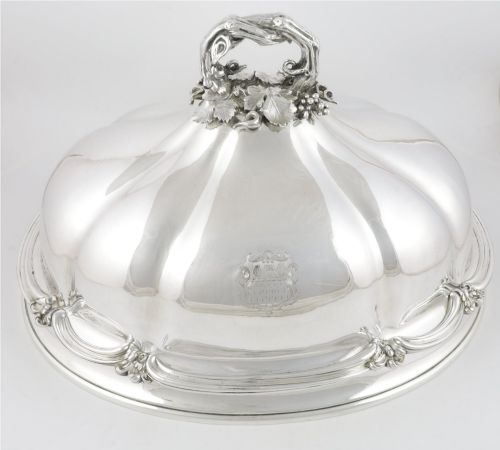
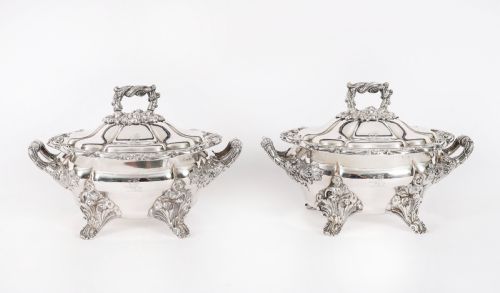
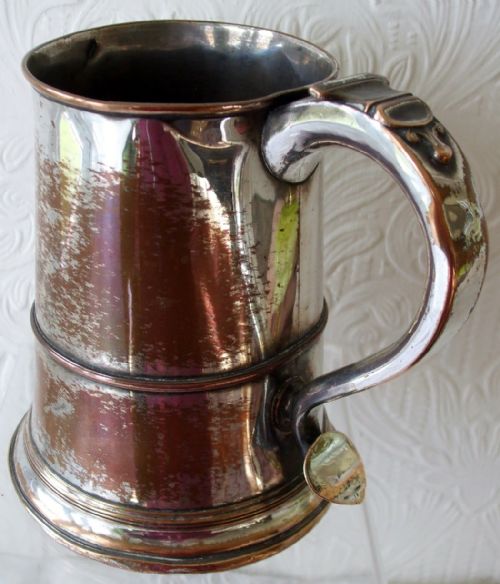
The selection on this page centres on items such as coffee pots, meat domes, sauce tureens, tankards, and communion chalices. You are most likely to meet pieces originating from the eighteenth and nineteenth centuries, including items from around eighteen hundred and the eighteen-twenties.
Makers such as Roberts Cadman contributed to this tradition, producing substantial food covers and similar dining articles. The forms reflect the formal dining practices of Georgian and Regency households, executed in traditional metalwork styles.
How they were made
These objects were produced by fusing a sheet of silver to a thicker ingot of copper, then rolling the composite metal down to the required gauge before shaping. This fusion method created a durable material that could be worked into complex hollowware forms.
Makers utilised copper as the base metal, applying silver plate to the surface and often incorporating elements of wood, bone, and gilding for handles, insulators, or internal washes. The resulting vessels combined structural strength with a bright silver exterior.
Materials recorded across the available pieces include copper, silver plate, wood, old sheffield plate, bone, and gilding.
What varies in quality
The standard of a piece depends heavily on the preservation of the original fused silver layer over the underlying copper base. Pieces that retain their crisp engraving and original proportions without excessive base metal showing through the high points represent the upper tier of production.
Design complexity and the integrity of applied mounts also separate standard examples from finer works. Superior items maintain balanced forms in categories like coffee pots and meat domes, showing careful attention to handles, finials, and gadroon or shell borders.
Roberts Cadman
The Sheffield Plate Hollowware Glossary
- Old Sheffield Plate
- A composite material made by fusing a sheet of silver to a copper ingot, developed in the eighteenth century before electroplating became common.
- Argyle
- A gravy warmer featuring a double wall or central compartment for hot water to keep sauces warm at the table.
- Meat Dome
- A large domed cover used to keep joints of meat warm during carving and serving in grand dining rooms.
- Sauce Tureen
- A covered serving bowl designed specifically for gravies or sauces, often found in matched pairs.
- Communion Chalice
- A sacred goblet used during church services, fashioned here in plated metal rather than solid silver.
Sheffield Plate Hollowware: Frequently Asked Questions
What is sheffield plate hollowware?
Sheffield plate hollowware consists of three-dimensional serving vessels and domestic objects made by fusing silver and copper together.
These items were shaped into coffee pots, tureens, and tankards for use in period dining rooms.
How do I clean these pieces?
Careful maintenance with non-abrasive silver cleaning products preserves the thin silver layer over the copper base.
Over-polishing can wear through the plating, so gentle handling ensures the longevity of the metal.
When were these items made?
The pieces on this page originate primarily from the eighteenth and nineteenth centuries, spanning the Georgian, Regency, and Victorian periods.
Many examples date specifically around eighteen hundred and the eighteen-twenties.
How can I tell the difference between periods?
Stylistic details such as neoclassical lines or heavier Victorian ornamentation help distinguish the manufacturing eras.
Forms from the Georgian period often display cleaner classical proportions compared to later nineteenth-century designs.