




Antique Silver Coffee Jug
An antique silver coffee jug brings domestic ritual and Georgian or Edwardian elegance to a table.
Antique Silver Coffee Jug
An antique silver coffee jug is a tall vessel designed for serving hot coffee, appearing across periods from the eighteenth century to the mid-twentieth century. Buyers searching this phrase encounter standalone pots as well as components of larger tea and coffee services.
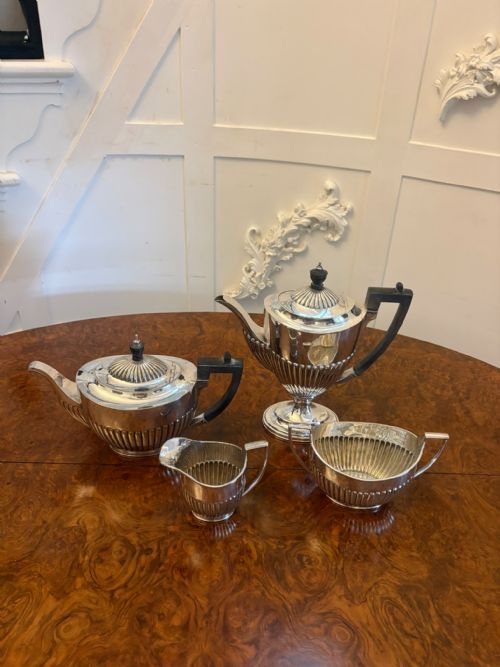
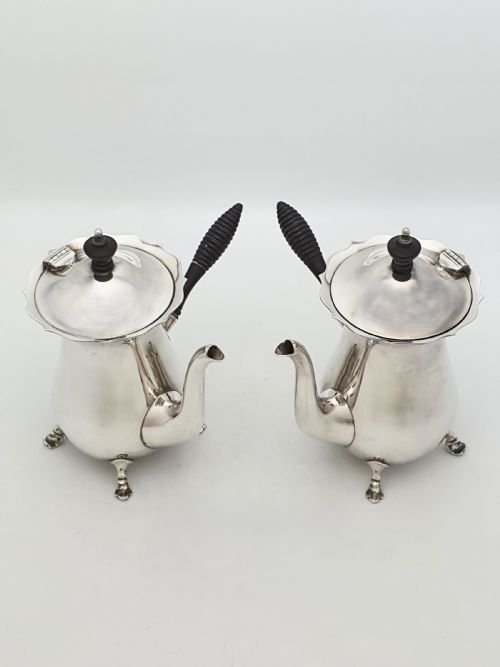
The material composition spans sterling silver, Old Sheffield plate, and later silver plate, often accompanied by wooden or bone insulators on handles. Forms range from neoclassical ewers to ornate Edwardian rococo revival pots and sleek mid-century designs.
Materials and Construction
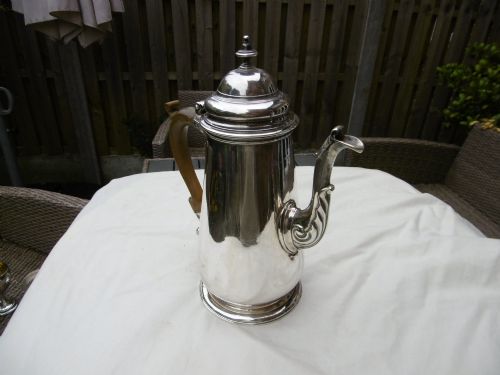
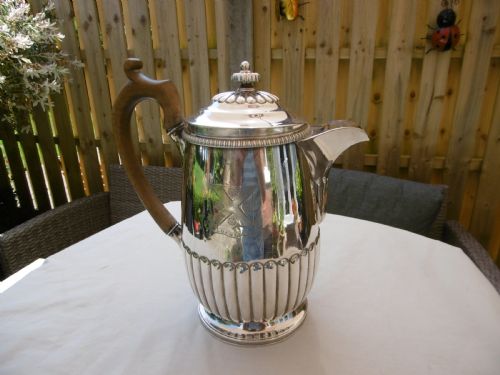
Silversmiths utilised sterling silver or layered copper and silver through Old Sheffield plating, shaping bodies by hand or with early industrial machinery. Handles frequently incorporate wood, ebonised wood, bone or woven elements to insulate against heat.
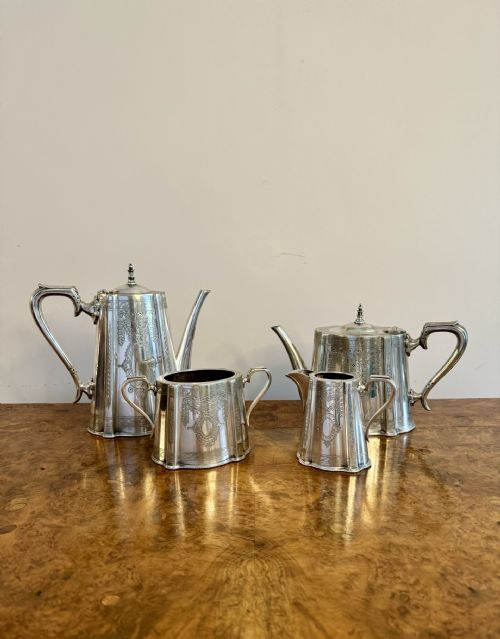
Decoration relies on hand-engraved floral designs, crests, and cast details such as ornate grapevine motifs. Lidded forms utilise secure hinges and spouts designed for a clean pour.
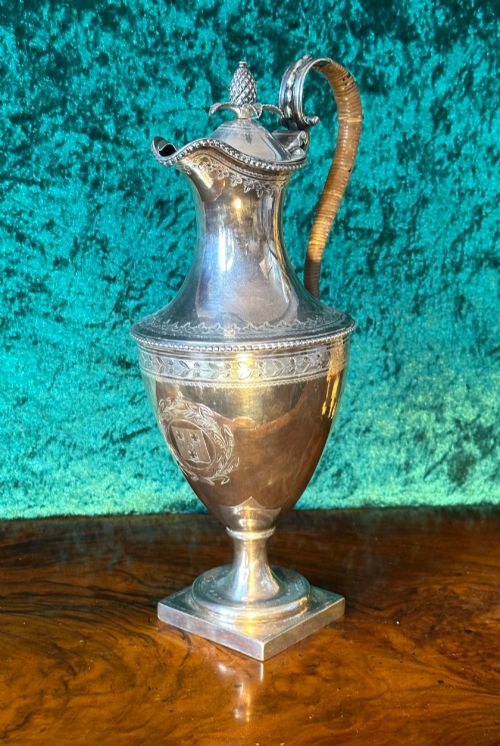
Several pots retain personal family crests, carrying the silent history of past households straight to the modern breakfast table.
Evaluating Craftsmanship
Quality rests upon the weight of the metal, the crispness of chased or engraved detailing, and the integrity of any applied crests or cresting. Heavy gauge sterling silver or thick Old Sheffield plate demonstrates superior initial manufacture.
Balance and ergonomics dictate practical merit, seen in how comfortably the insulated handle sits in the hand and how securely the hinged lid operates.
Walker and Hall·Richard Gurney·Matthew Boulton·John Hoyland·Edward Power·Joseph Craddock·Harrison Brothers and Howson·Boardman Glossop and Co·Birmingham Silversmiths Company
The Antique Silver Coffee Jug Glossary
- Old Sheffield Plate
- A fused composite material made by melting a sheet of silver onto a thicker copper base before rolling them together. This technique predates modern electroplating.
- Sterling Silver
- An alloy consisting of silver and other metals, usually copper, standardised to a high purity level for silverware and holloware. It provides enduring weight and polish.
- Silver Plate
- A thin layer of silver applied to a base metal such as copper or white metal. It became widespread during the nineteenth century for domestic service wares.
- Ebonised Wood
- Timber treated to imitate ebony, commonly utilised for coffee pot handles and finials to resist heat. It offers a dark, contrasting texture against polished metal.
- Neoclassical
- A stylistic period drawing inspiration from classical antiquity, characterised by symmetry, straight lines, and restraint. It appears frequently on Georgian silver vessels.
Antique Silver Coffee Jug: Frequently Asked Questions
How do I date an antique coffee jug?
Dating relies heavily on hallmarks stamped into sterling silver pieces, which record the assay office, date letter, and maker's mark. Stylistic clues such as neoclassical shapes or Edwardian rococo revival ornamentation also narrow down the era of manufacture.
Unmarked silver plated pieces require careful assessment of construction methods, handle materials, and form factors to place them within periods like the nineteenth or early twentieth century.
Were these pots used only for coffee?
While primarily designed to hold and pour hot coffee, many tall antique jugs served multiple beverage purposes in domestic settings. Some listings describe pieces functioning as water jugs, hot water pots, or part of larger tea services.
Their substantial capacity and lidded spouts made them adaptable for any hot drink service during formal dining or drawing room gatherings.
How do I care for silver plated jugs?
Maintenance involves gentle cleaning with non-abrasive silver cloths or specialised polishes designed to preserve the metal surface. Avoid harsh chemical dips that strip away plating or damage underlying base metals.
Wooden and bone handles require protection from excessive moisture during cleaning to prevent warping or cracking over time.
What is the difference between sterling and plate?
Sterling silver consists of solid precious metal alloyed for strength throughout its entire structure, whereas plated items feature a thin skin of silver over a base metal like copper. Old Sheffield plate applies this layer through fusion, while later silver plate uses electrical deposition.
Examining rims or high-wear areas often reveals the underlying copper base on plated items where silver has worn away through generations of polishing.