



Art Deco Sterling Pot
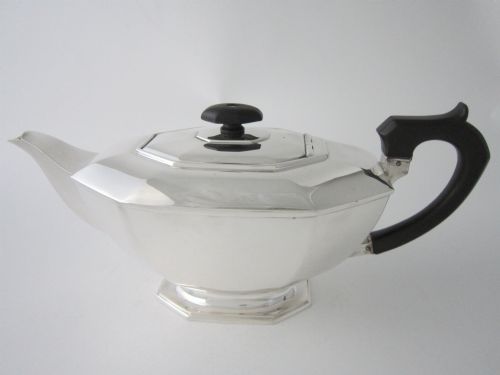
These art deco sterling pot pieces combine solid silver mounts with glass, enamel, and tortoiseshell, bringing geometric precision to desks and dressing tables.
Art Deco Sterling Pot
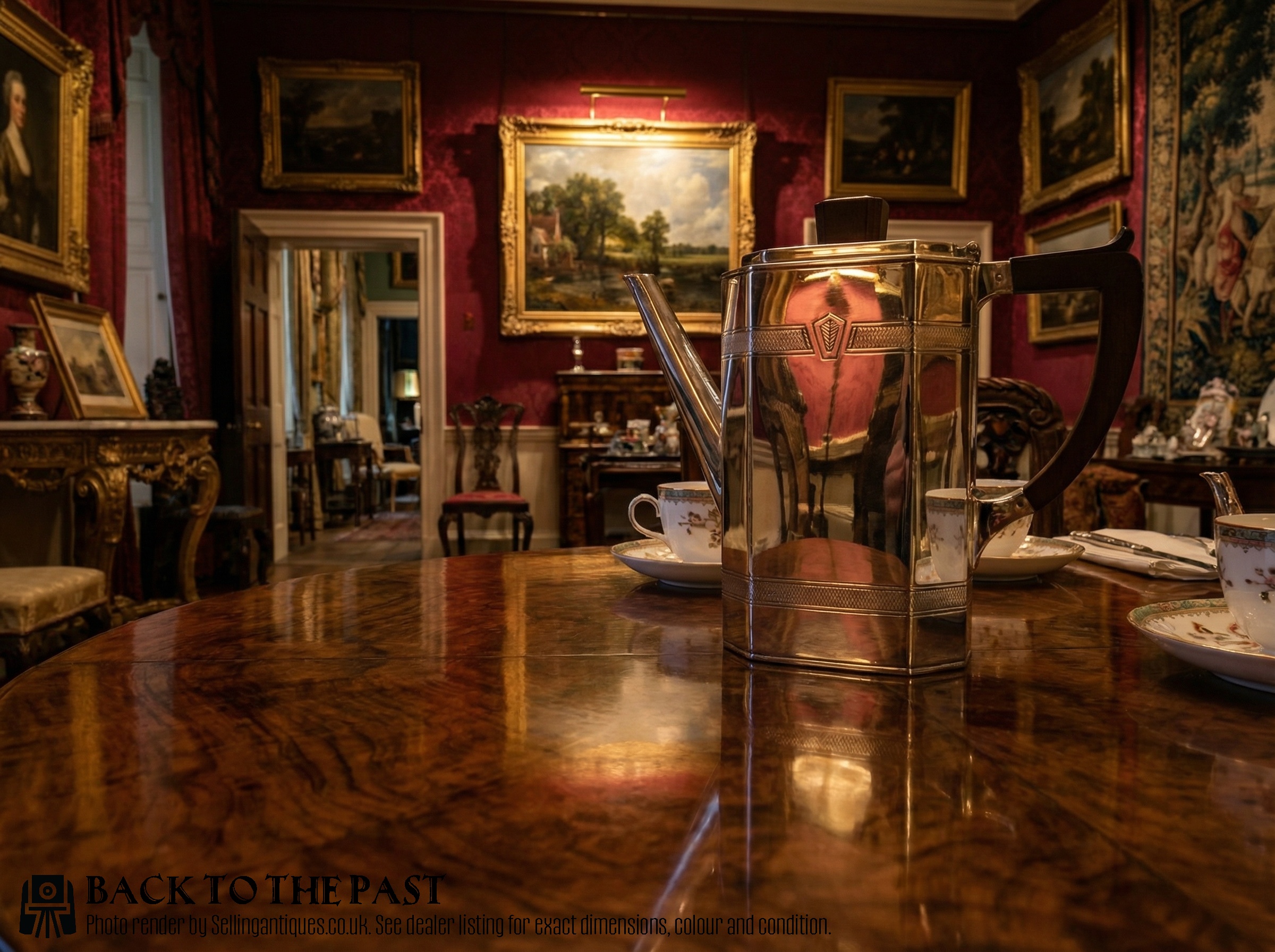
When you search for an art deco sterling pot, you encounter an array of functional containers spanning vanity jars, inkwells, cruet sets, and dressing table accessories. These items date primarily from the nineteen-twenties, thirties, and forties, reflecting the geometric lines and streamlined aesthetics typical of the period.
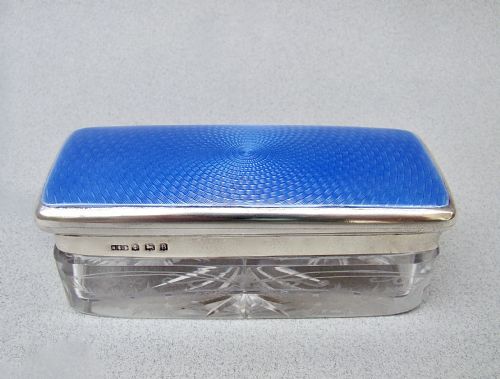
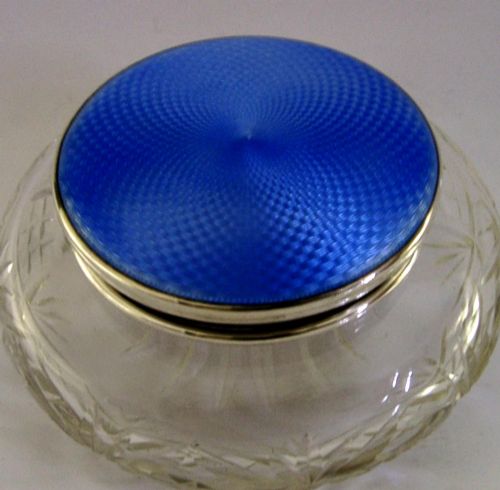
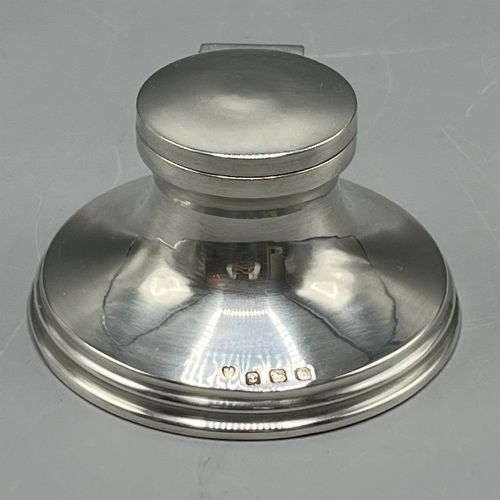
You are most likely to meet vanity jars, dressing table boxes, and inkwells featuring sterling silver lids or collars paired with glass bodies. These pieces served practical domestic purposes for cosmetics, writing desks, and dining tables, combining utility with decorative metalwork.
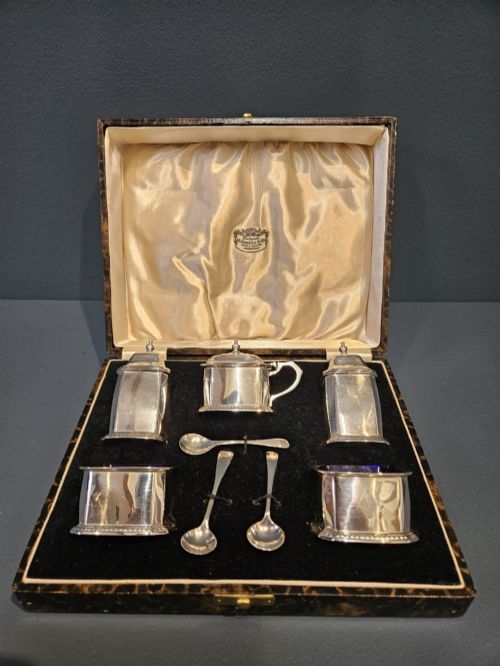
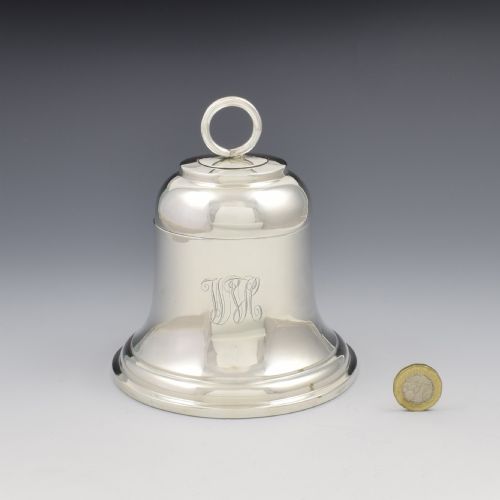
The selection includes specific forms such as pagoda design mustard pots, bell inkwells, and condiment sets alongside rouge pots and pill boxes. Birmingham workshops dominate the output, though London hallmarks also appear across these silver and glass creations.
Distinctions in quality
The standard of an art deco sterling pot rests upon the weight of the silver mount and the clarity of the underlying cut glass or crystal. Substantial silver gauge and crisp hallmarks indicate higher grade production by established manufacturers.
Execution of the enamel work dictates desirability, particularly where complex guilloche patterns or unusual colours like bronze and purple remain intact without loss. The precision of the fit between the silver lid and its glass base separates standard utility wares from finer workshop pieces.
Listings feature sterling silver combined with cut glass, enamel, and velvet across vanity jars, inkwells, and condiment sets from the 1910s to the 1950s.
Henry Clifford Davis·William Neale·Wilmot Manufacturing Co·Mappin & Webb·Birmingham Silversmiths Company·Elkington and Company
The Art Deco Sterling Pot Glossary
- Guilloche enamel
- Enamel applied over a mechanically engraved metal surface, creating repeating geometric patterns that show through translucent colour.
- Hallmark
- Official marks stamped into silver items to guarantee the metal standard, identify the assay office, and date the piece.
- Cruet set
- A matched group of small pots and bottles designed to hold condiments like mustard, salt, pepper, oil, and vinegar for the dining table.
- Vanity jar
- A small container with a removable lid used on a dressing table for cosmetics, pins, or personal items.
- Inkwell
- A small pot or reservoir designed to hold liquid writing ink, frequently fitted with a hinged or lift-off silver lid.
Art Deco Sterling Pot: Frequently Asked Questions
What were vanity jars used for?
These jars held creams, powders, pins, and small personal items on a dressing table.
Their silver and glass construction allowed daily cosmetic use while displaying decorative enamel work.
How do I date a silver pot?
You read the assay office mark and date letter stamped directly onto the sterling silver mount.
Birmingham and London marks provide precise years of manufacture across the pieces.
What is guilloche enamel?
It is a decorative technique where enamel covers a mechanically engraved metal background.
This method creates shimmering geometric patterns visible through translucent blue, pink, or white glass.
How should I display these pieces?
They suit placement on dressing tables, writing desks, and dining sideboards depending on their original form.
Grouping vanity jars or condiment sets highlights their contrasting silver, glass, and enamel materials.