
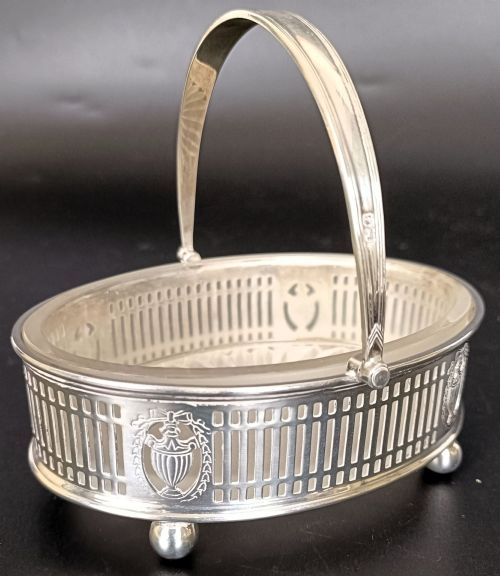


Antique Silver Cake Basket
When you hunt for an antique silver cake basket, you are after a centrepiece that brings Georgian and Victorian dining manners straight to the table.
What an antique silver cake basket is
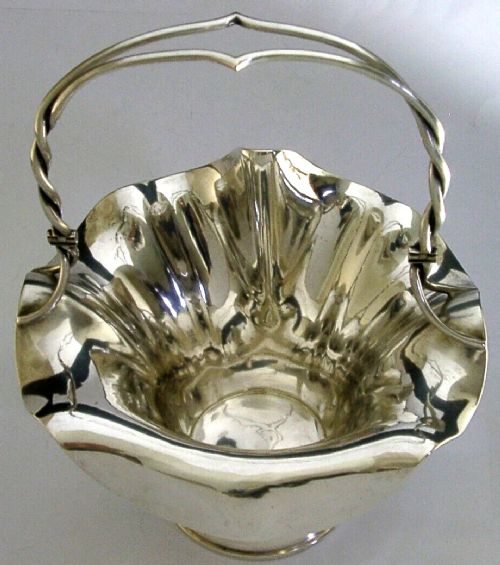
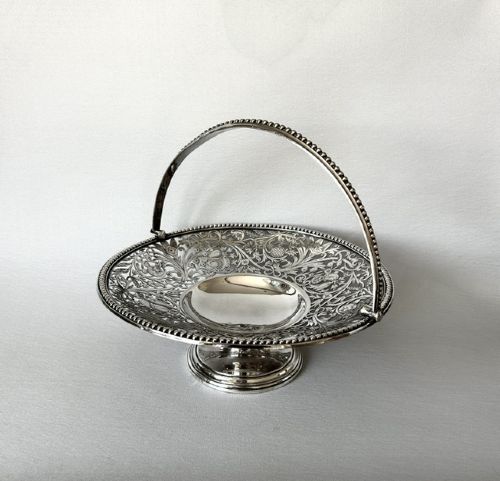
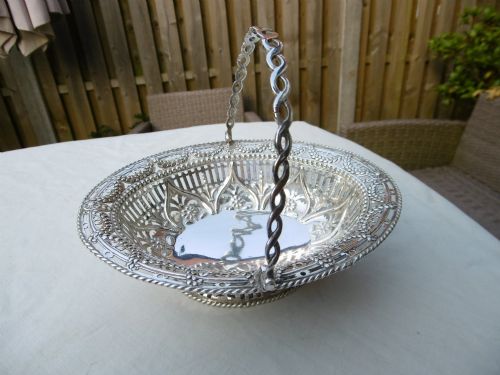
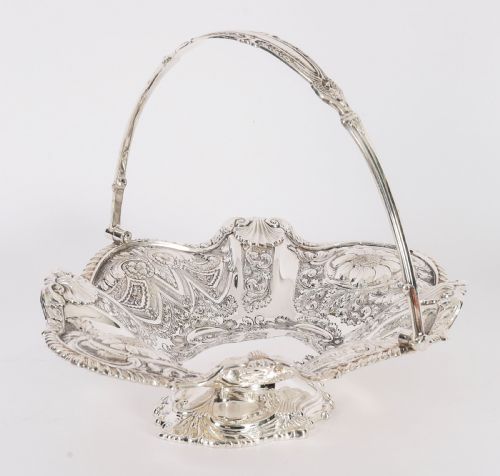
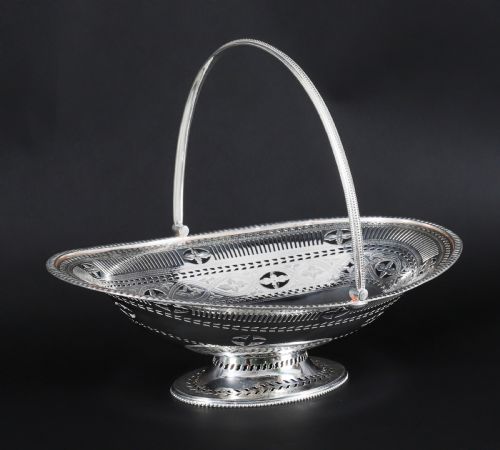
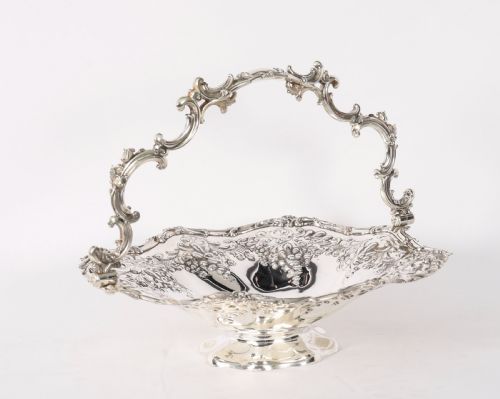
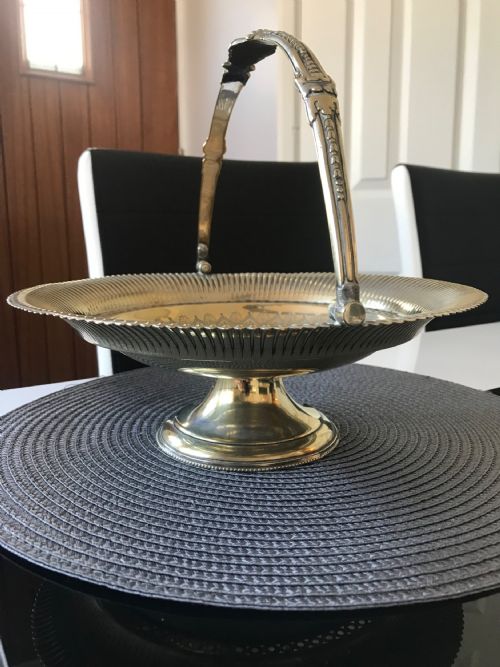
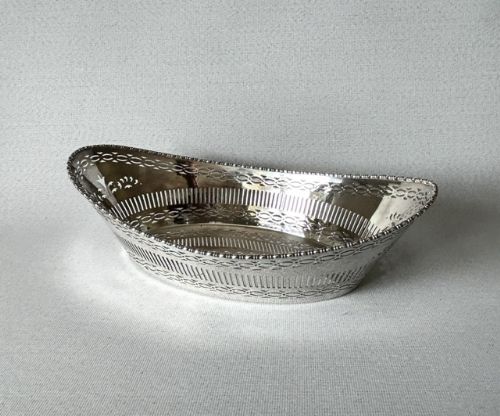
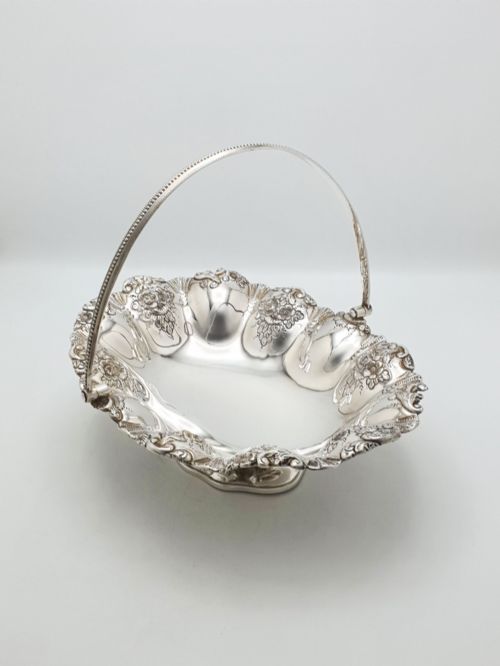
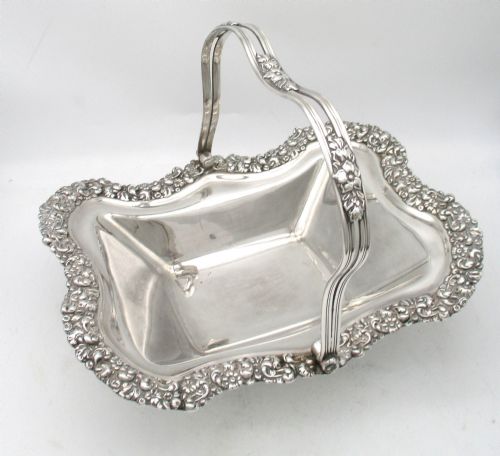
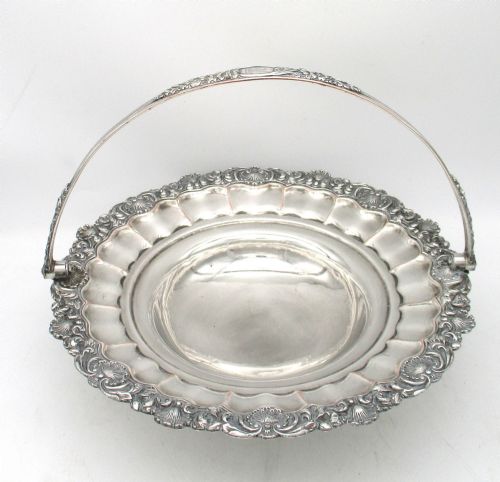
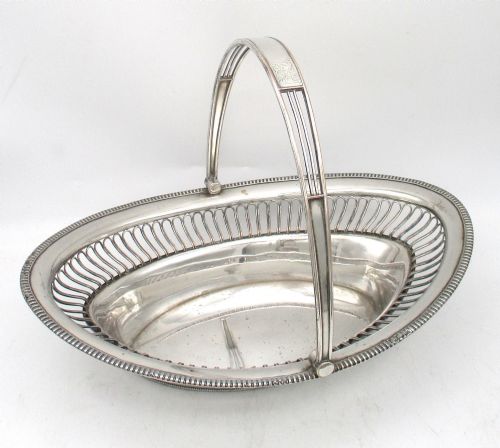
An antique silver cake basket is a decorative serveware piece designed for holding bread, cakes, or fruit during formal gatherings. The forms span from Georgian wirework to Victorian and Edwardian ornate styles, often fitted with a swing handle.
On this page, you will most frequently meet silver plated and solid silver variations from the nineteenth and early twentieth centuries. These decorative baskets appear in Georgian, Victorian, Art Nouveau, and Edwardian designs.
Makers such as Mappin and Webb, WMF, and Roberts and Belk produced these items in solid silver, Sterling silver, and silver plate over copper. Buyers seek them out for their traditional utility and intricate metalwork.
How they were made
Smiths constructed these pieces using solid silver, Sterling silver, and copper covered in silver plate or Old Sheffield Plate. Some examples incorporate glass elements alongside the metal framework.
Techniques range from early wirework construction to later heavy casting, piercing, and engraving. Swing handles require precise hinge work to move smoothly above the decorative bowl.
Retail Price Guide 2026
Typical UK retail prices for silver cake basket, calculated from the Sellingantiques database of over a million retail prices indexed since 2003. This retail price guide relies exclusively on Sellingantiques data; no external sources or auction records are used, so the figures do not describe the wider market.
Listings feature items spanning from 1800 through the Edwardian period, utilising silver plate, solid silver, Sterling silver, and copper.
What varies in quality
The weight of the metal and the depth of the piercing separate the heavier pieces from lighter alternatives. Solid silver and substantial Old Sheffield Plate sit at the top of the range.
The crispness of the engraved decoration and the integrity of the swing handle mechanism indicate the level of craftsmanship. Maker attribution, such as work by Roberts and Belk or WMF, also influences the standing of a piece.
Mappin and Webb·Roberts and Belk
The Antique Silver Cake Basket Glossary
- Old Sheffield Plate
- A technique fusing a thin sheet of silver onto a copper core before rolling and shaping. This method produces a distinct edge where the copper base metal shows through wear.
- Sterling Silver
- An alloy consisting of pure silver and other metals, usually copper, to increase durability. Items made to this standard often carry hallmarks indicating their silver content.
- EPNS
- Electro Plated Nickel Silver, a common base for late nineteenth and early twentieth century tableware. This process replaced older plating methods by using an electrical current to apply the silver coating.
- Wirework
- A technique using drawn metal wires soldered together into open geometric or looping patterns. This style appears frequently on lighter baskets from the Georgian period.
- Swing Handle
- A movable arched handle attached to the rim of the basket by pivots. It allows the vessel to be carried easily and laid flat when placed on a table.
Frequently Asked Questions
How were cake baskets used originally?
These baskets held cakes, bread, or fruit on the dining table during formal meals and tea service. Guests served themselves from the vessel as it was passed around the room.
Over time, the role shifted toward display and decoration, though they remain functional for serving dry foods today.
What is the difference between solid silver and silver plate?
Solid silver and Sterling silver items consist entirely of silver alloy throughout the entire object. These pieces carry official hallmarks that denote their purity and origin.
Silver plate and Old Sheffield Plate apply a thin layer of silver over a base metal such as copper or nickel silver. This provided a lower cost alternative while maintaining the bright appearance of solid silver.
How do I date an antique silver basket?
Dating relies on stylistic clues, maker marks, and manufacturing techniques found on the piece. Georgian examples often feature light wirework, while Victorian and Edwardian versions display heavier casting and Art Nouveau curves.
Silver pieces often include hallmarks that point to specific assay offices and year letters. Plated items rely on maker stamps and the style of the engraving to narrow down the decade.
Can I use an antique basket for food?
These baskets are safe for serving dry foods like bread, biscuits, or whole fruit. Direct contact with moist or acidic foods should be avoided to protect the metal and any older plating.
Regular cleaning with a soft cloth and appropriate silver polish keeps the surface bright without wearing away the finish.