




Edwardian Silver Plated Dish
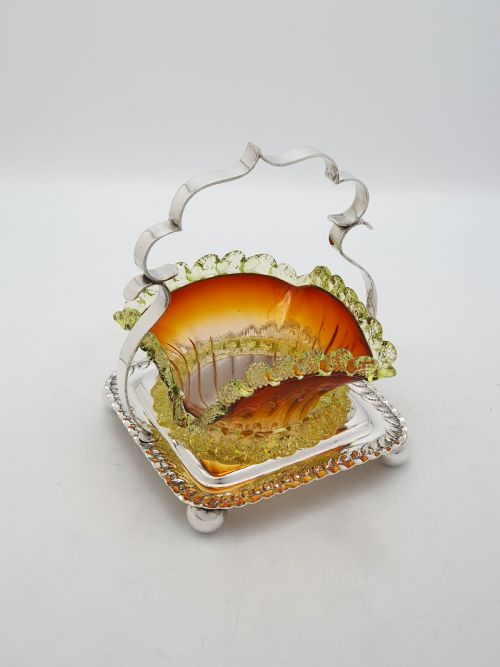
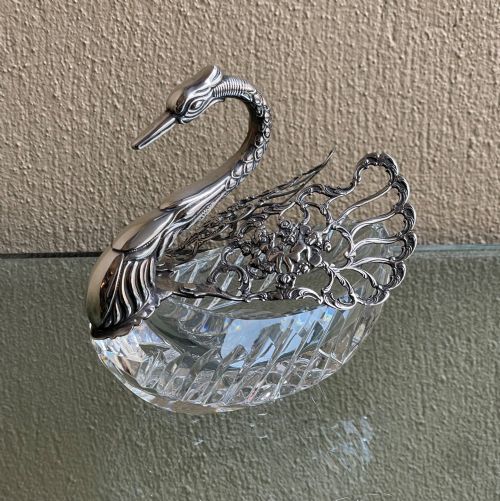
These edwardian silver plated dish examples bring period dining charm to the table, combining practical serving forms with bright metallic lustre.
Forms and Origins
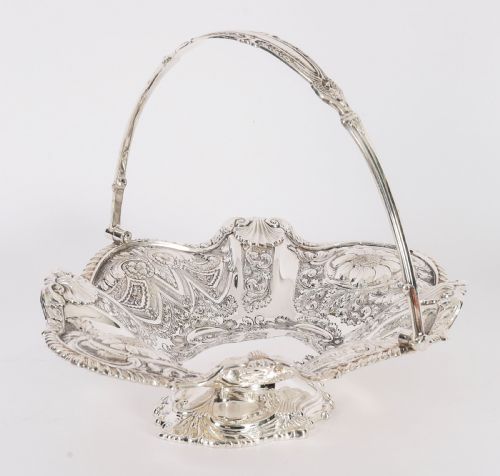
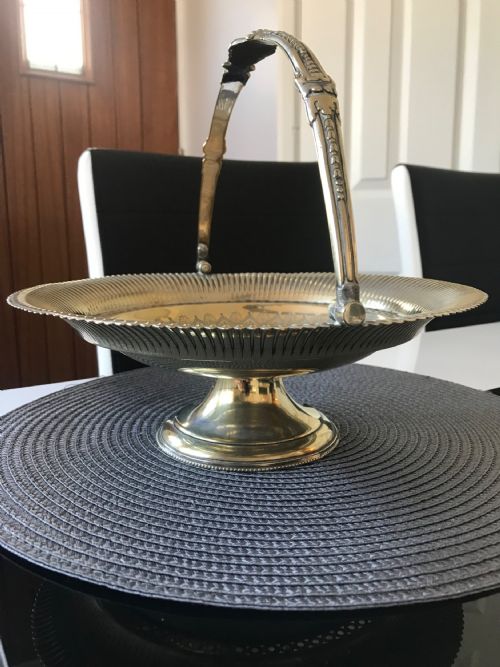
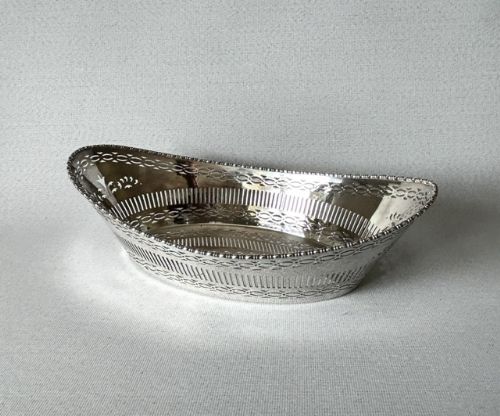
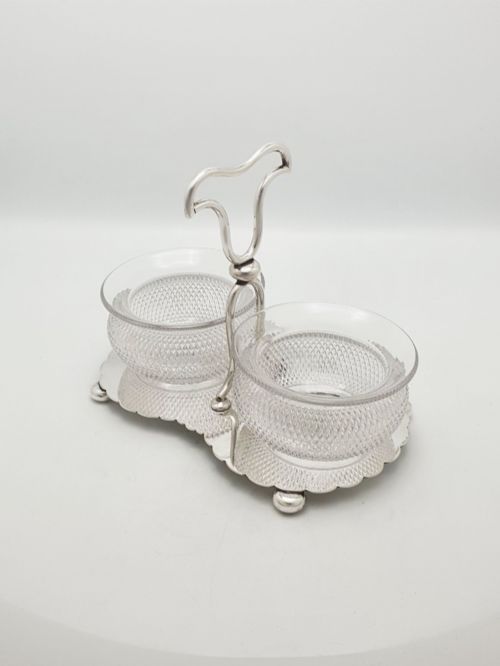
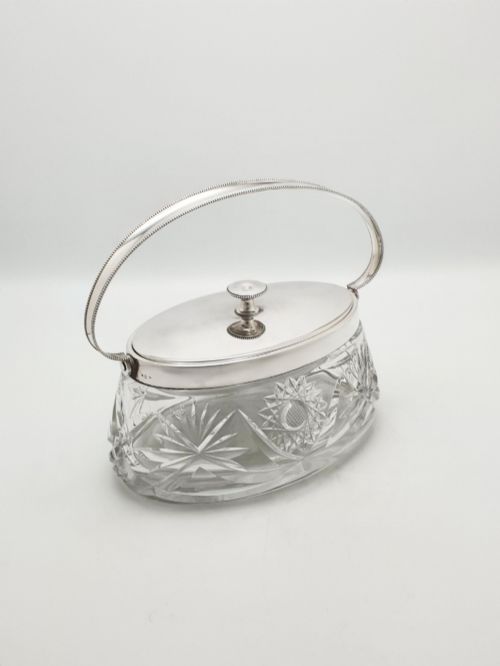
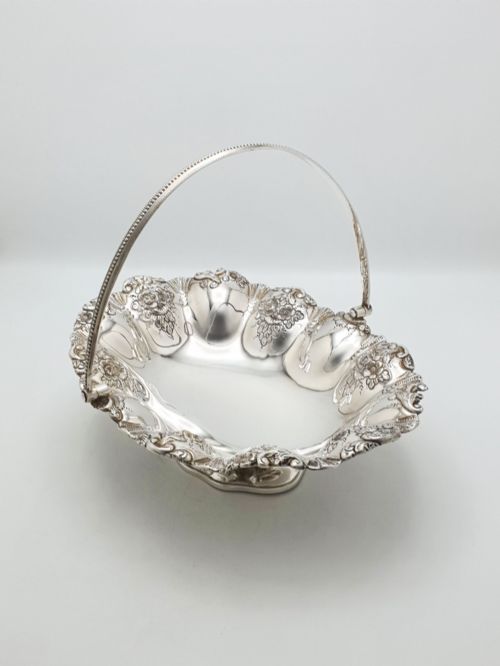
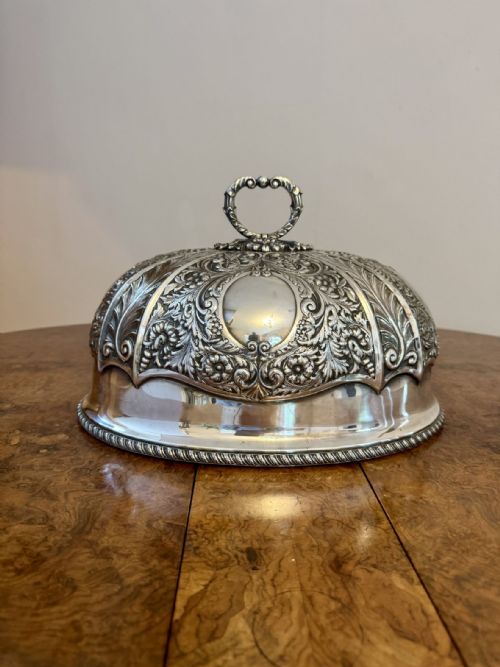
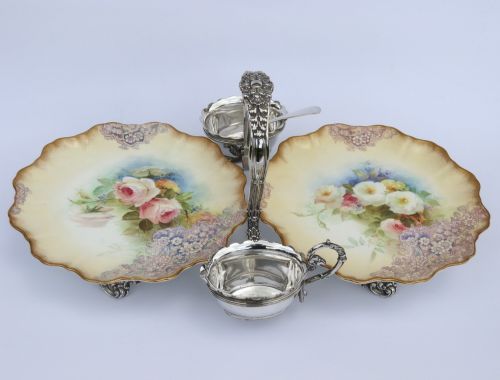
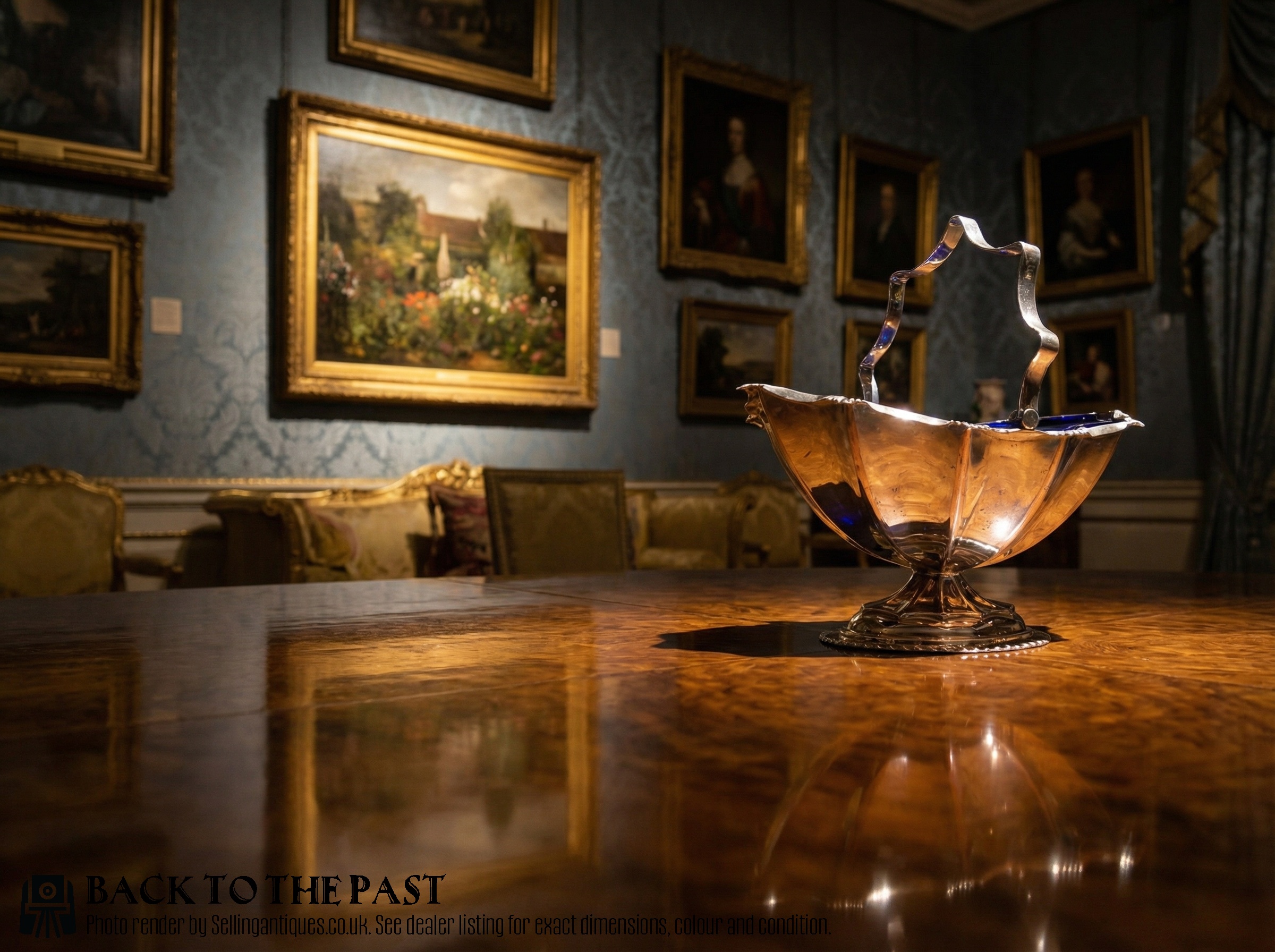
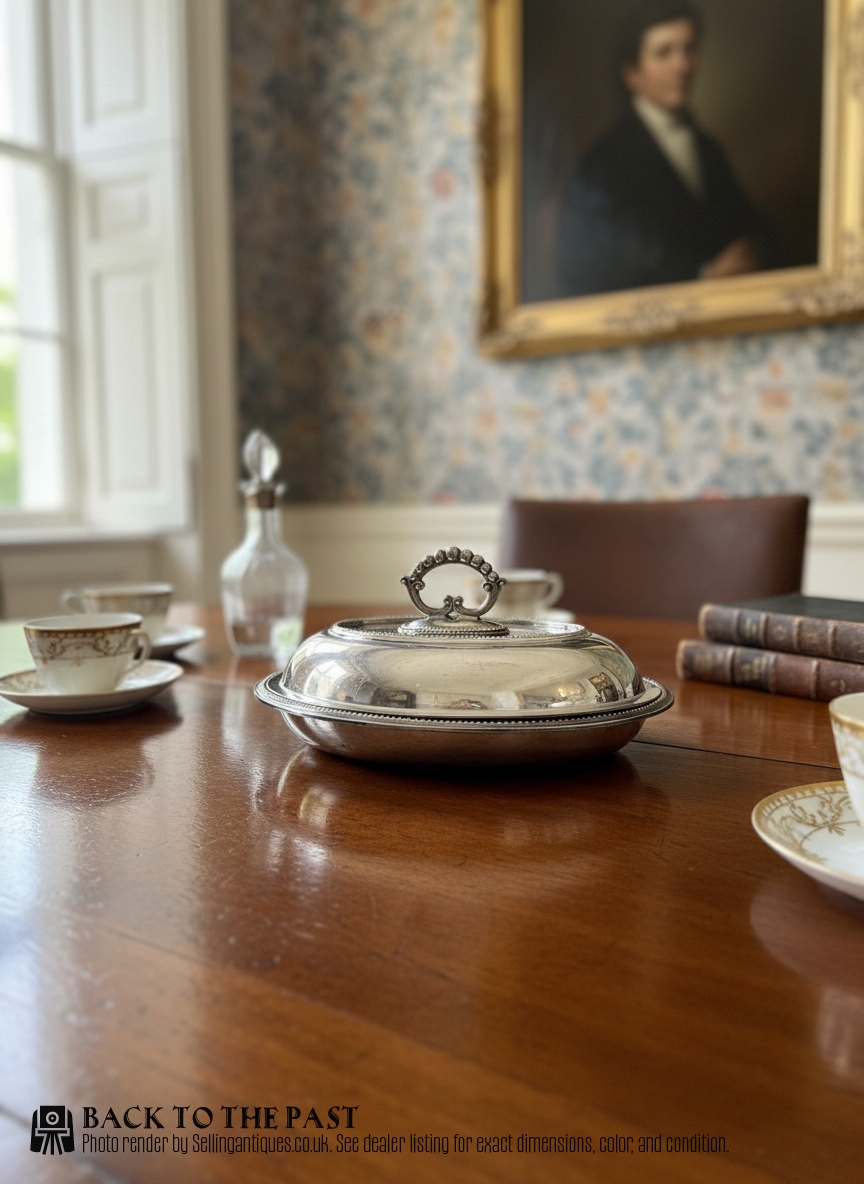
An edwardian silver plated dish encompasses a wide variety of practical serveware, ranging from substantial entrée vessels and bread baskets to smaller preserve dishes, nut bowls, and bon bon dishes. These pieces originate primarily from the early twentieth century, reflecting the lavish dining traditions of the period.
Entrée dishes form the most common type encountered, often shaped as rectangular, oval, or circular vessels designed for formal dining. Specialised designs such as squirrel nut dishes, butter dishes with glass inserts, and grape dishes with scissors also appear frequently across the inventory.
Materials and Construction
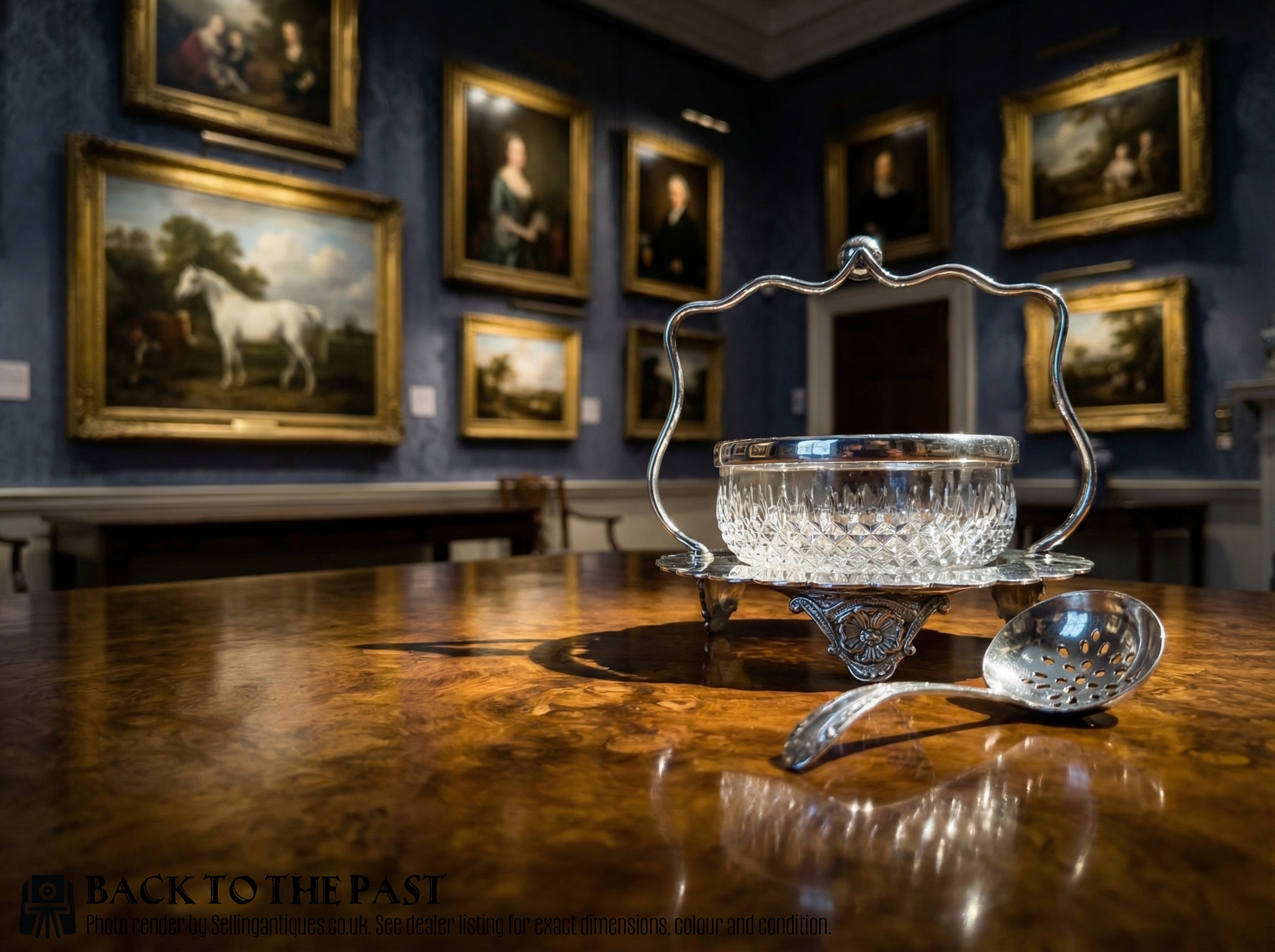
Production relies heavily on silver plate and nickel silver, commonly designated as EPNS, which provided a durable and bright metal base for domestic tableware. Manufacturers combined these plated metals with cut glass and cobalt glass inserts to create contrast and utility in items like jam pots and preserve dishes.
Forming techniques included pressing and shaping the base metal before applying a layer of silver, often complemented by Neoclassical styling such as classical shapes and decorative borders. Makers utilised robust construction methods to ensure these serving dishes could withstand regular use on the dining table or warming stand.
Squirrels hold small nuts forever on the rims of these whimsical Edwardian nut dishes.
Design and Finish
Distinctions in quality often rest upon the presence of ornate detailing and cast ornamentation along the handles, rims, and borders of the vessels. Finer examples display crisp botanical or classical motifs and heavier metal gauges that give the piece substantial weight in the hand.
The integrity of the underlying base metal and the evenness of the silver plating dictate the enduring appearance of each piece. Superior items retain their original brightness and exhibit clean junctions where handles meet the main body of the dish.
Mappin and Webb·Asprey
The Edwardian Silver Plated Dish Glossary
- EPNS
- Electroplated Nickel Silver. This acronym denotes a base metal of nickel silver coated with a thin layer of silver through an electrolytic process.
- Entree dish
- A covered serving vessel used for presenting main courses at the dining table. These often feature detachable handles to allow the base to function independently.
- Bon bon dish
- A small, decorative open bowl designed for holding sweets, nuts, or small confections. They frequently sit on elevated bases or feet.
- Nickel silver
- A copper alloy containing nickel and zinc, possessing a silvery appearance without containing any actual silver. It serves as a durable foundation for plated tableware.
- Silver plate
- A layer of pure silver bonded to a base metal core. This technique allowed households to enjoy the appearance of solid silver at a fraction of the cost.
Frequently Asked Questions
How were entree dishes used?
These covered vessels kept food warm when brought from the kitchen to the dining table.
Hosts used them for serving meats and vegetables during formal meals.
Can I use these dishes daily?
Silver plated serveware remains functional for modern dining and entertaining.
Gentle hand washing helps preserve the protective plating over time.
What styles influence these designs?
Neoclassical motifs appear frequently across the plates and baskets.
Designers drew inspiration from classical architecture and symmetry for handles and borders.