
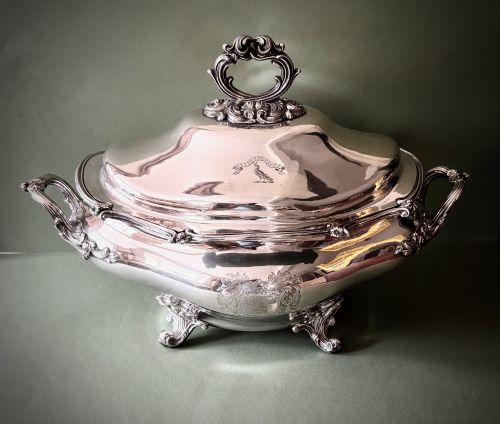


Silver Plated Vegetable Dish
A silver plated vegetable dish brings formal dining presence to the table, offering versatile serving vessels for traditional family meals.
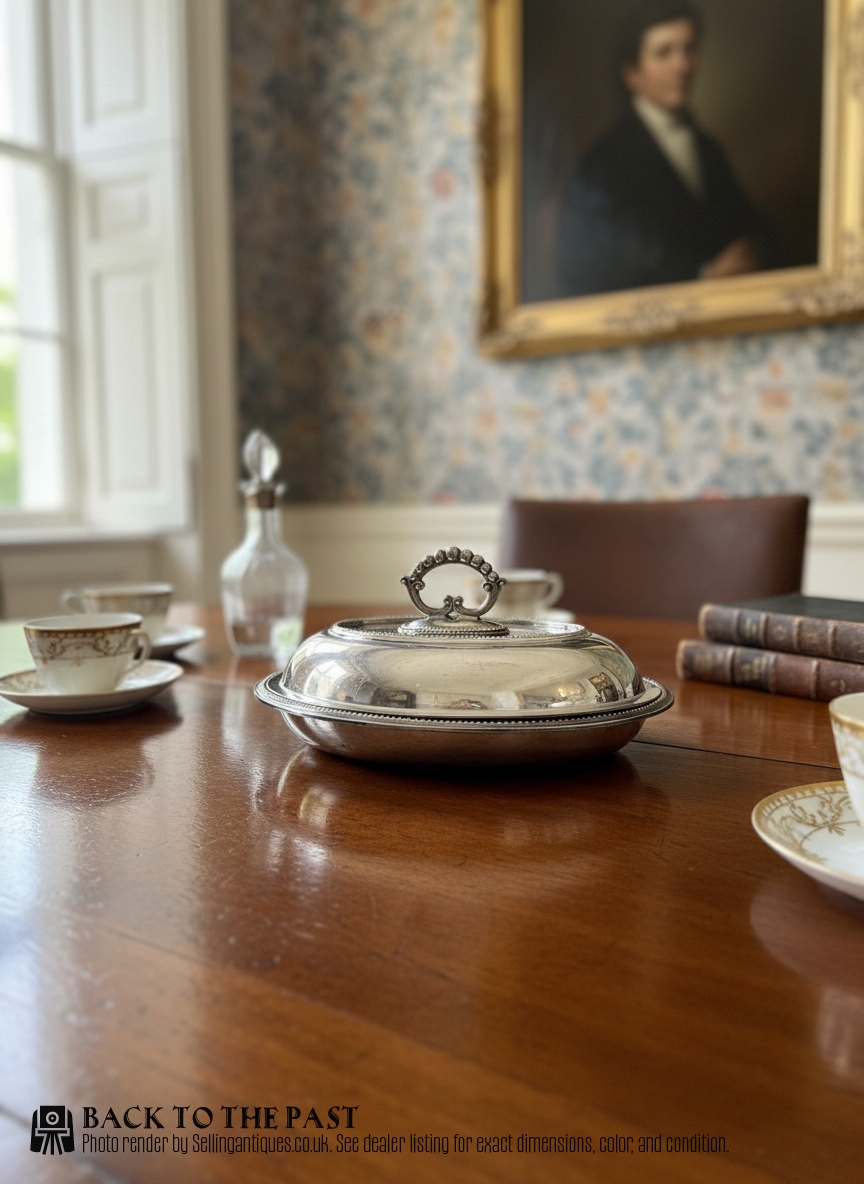
What a silver plated vegetable dish is
A silver plated vegetable dish provides a handsome method for presenting dinner vegetables and side dishes at the table. These serving pieces include covered entrees and specialised serving sets spanning the nineteenth and twentieth centuries.
Victorian and Edwardian examples dominate the selection, appearing in both single vessels and matching pairs. Makers from the Victorian era onward produced these robust dining accessories to handle daily household use.
The inventory encompasses specific forms such as oval entree dishes and lidded vegetable dishes alongside asparagus serving sets. These pieces reflect the dining customs of their respective periods.

How they were made
Makers utilised nickel silver and electroplated nickel silver as the foundational base metal for these serving vessels. The application of a silver plate coating over the durable alloy provided the appearance of solid silver at a lower cost.
Techniques evolved through the nineteenth century, moving from early plating methods to standard electroplating processes. This ensured an even and adherent coating of silver across complex vessel shapes.
Retail Price Guide 2026
Typical UK retail prices for silver plated vegetable dish, calculated from the Sellingantiques database of over a million retail prices indexed since 2003. This retail price guide relies exclusively on Sellingantiques data; no external sources or auction records are used, so the figures do not describe the wider market.
What varies in quality
The calibre of a silver plated vegetable dish rests upon the thickness of the original plating and the crispness of any applied border decoration. Heavy gauge base metals such as nickel silver provide a substantial weight and better resistance to denting over decades of use.
Maker reputation heavily influences standing, with renowned firms executing cleaner lines, superior balance, and more refined handle attachments. Pieces that retain their full plating layer without thinning show superior initial manufacture and careful ownership.
Walker and Hall·Elkington·Hukin and Heath
The Silver Plated Vegetable Dish Glossary
- Silver Plate
- A thin layer of pure silver bonded to a base metal core such as copper or nickel alloy. This technique allowed Victorian manufacturers to create affordable dining wares that mimicked solid silver.
- EPNS
- Electroplated Nickel Silver. A durable base metal alloy coated with silver via an electrical process, widely utilised by British makers from the mid-nineteenth century onwards.
- Entree Dish
- A lidded serving vessel designed for presenting courses between the main roast and dessert. These often feature removable handles to allow the base to function as two separate open dishes.
- Serveware
- Functional vessels and utensils used for presenting food at the dining table. This category encompasses vegetable dishes, gravy boats, and asparagus sets.
Frequently Asked Questions
How do I clean a silver plated vegetable dish?
Wash the vessel in warm soapy water using a soft cloth, avoiding abrasive pads that can wear away the thin silver layer. Dry thoroughly with a lint-free cloth to prevent water spots.
Apply a dedicated silver polish sparingly only when tarnished, working in gentle straight lines rather than circles. Rinse and dry again before returning the dish to the table or display cabinet.
Can I use these for daily dining?
These serving pieces are robust enough for regular use provided you handle them with reasonable care. Nickel silver bases offer strong structural integrity for everyday meals.
Avoid leaving highly acidic foods in contact with the silver surface for extended periods. Hand washing remains essential as dishwasher detergents will rapidly damage the plated finish.
How do I date a Victorian piece?
Examine the piece for maker's marks, registry stamps, or date ciphers stamped into the base metal. Victorian pieces often carry specific manufacturer hallmarks that correlate to active production years.
The style of handles, feet, and edge ornamentation also provides strong clues to the decade of manufacture, aligning with Victorian design shifts from ornate floral motifs to cleaner aesthetic styles.
What is the difference between an entree dish and a vegetable dish?
Entree dishes traditionally feature a reversible lid that can double as a second shallow serving dish when detached. They were designed for formal multi-course dinners to serve specific meat or vegetable courses.
Standard vegetable dishes often comprise a single deep bowl with a fixed or loose cover intended for general table service. Both forms utilise silver plate over nickel alloy for durability.