
Victorian Silver Dish
A victorian silver dish brings nineteenth-century craftsmanship to the table, combining heavy metalwork and cut glass for serving or display.

Victorian Silver Dish
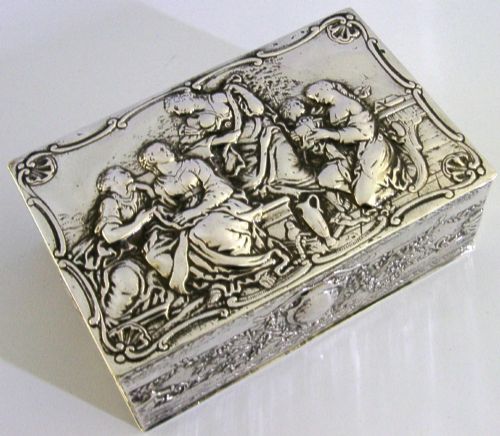
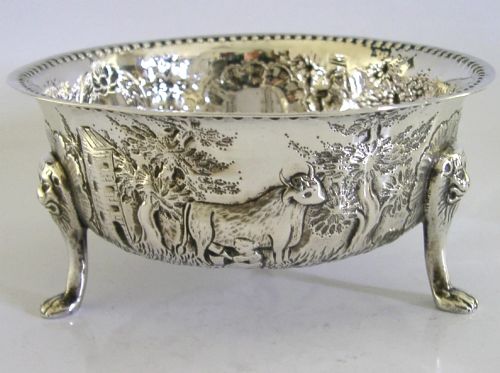
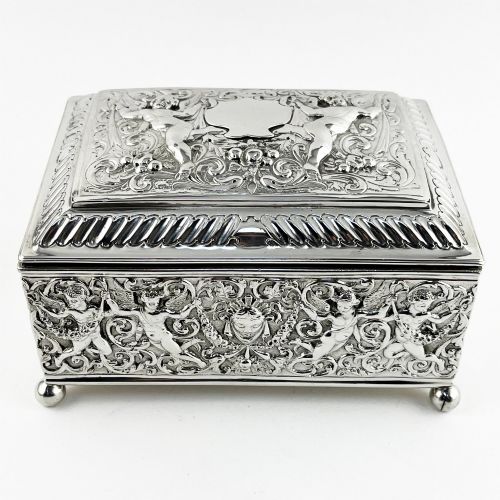
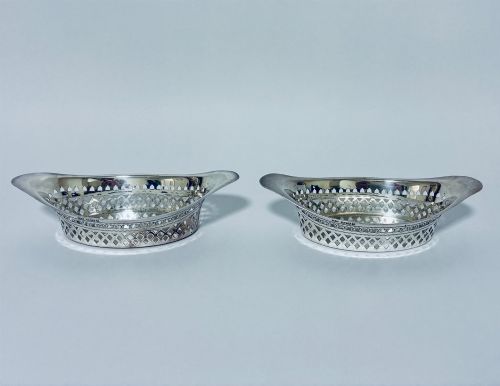
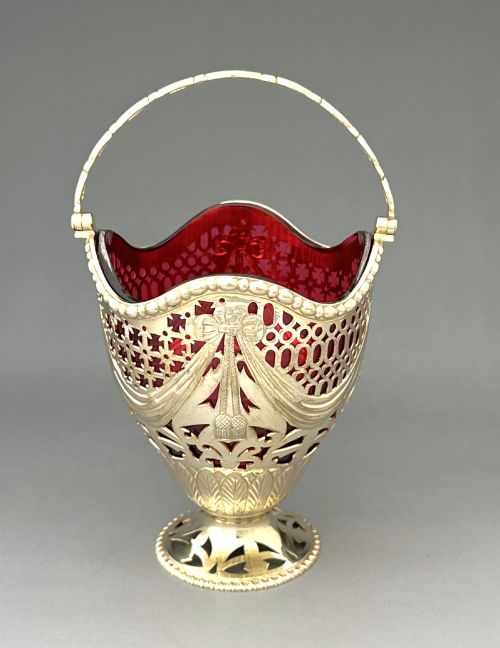
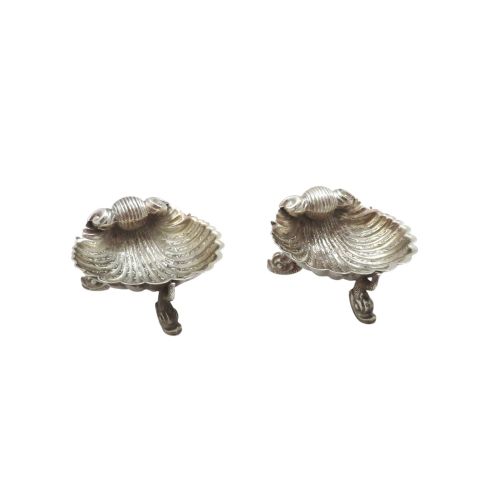
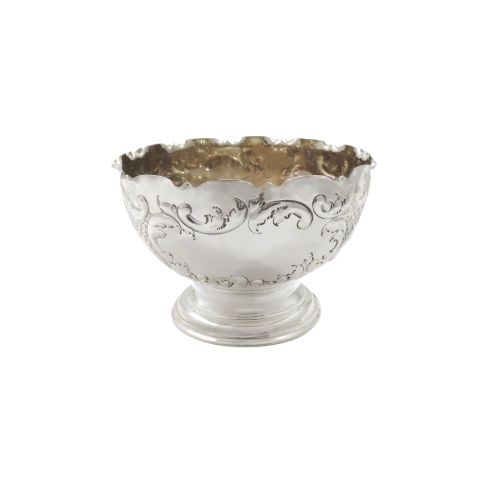
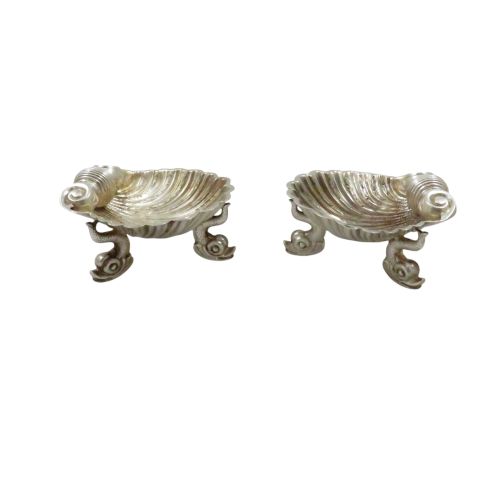
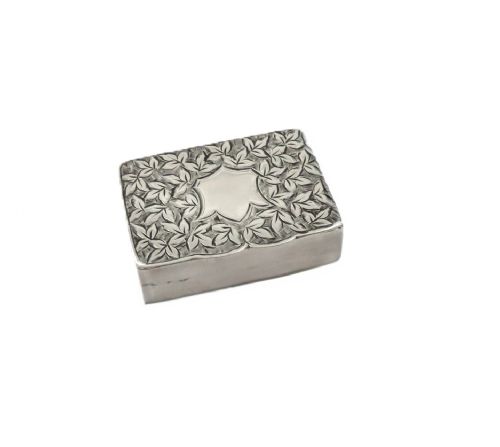
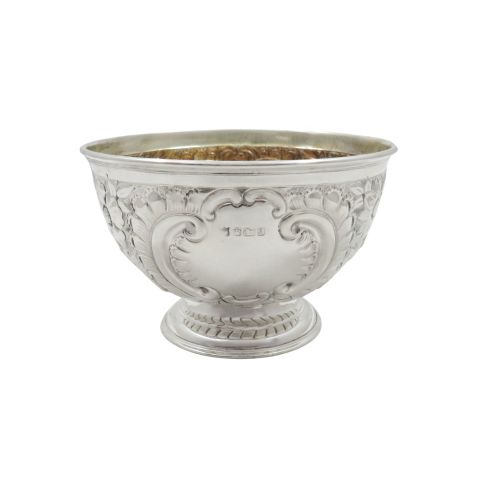
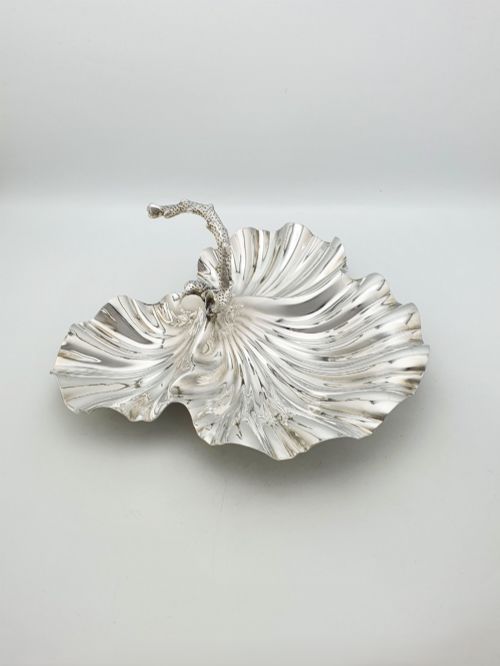
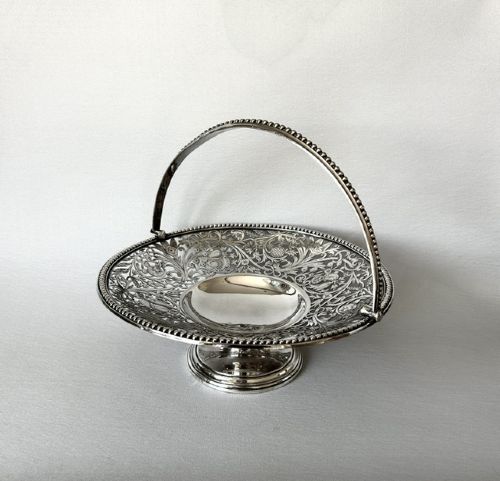
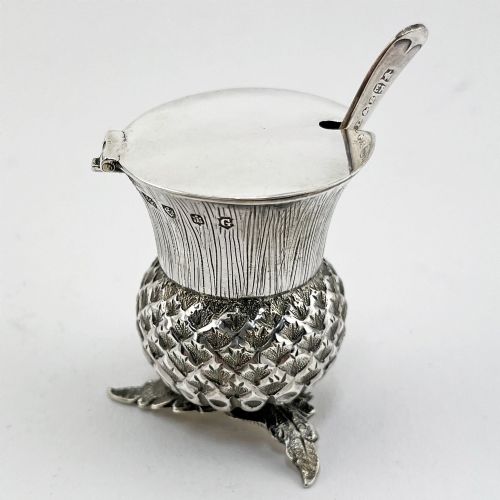
A victorian silver dish encompasses a wide variety of domestic receptacles, ranging from small salt cellars and trinket boxes to large fruit baskets and centrepieces. The selection frequently includes shell-shaped butter dishes, bonbon dishes, and pierced decorative bowls designed for formal dining or parlour display.
Most pieces date from the nineteenth century into the early twentieth century, spanning the Victorian and Edwardian eras. Buyers encounter both solid sterling silver pieces bearing full hallmarks and silver-plated examples produced by notable workshops using electroplated nickel silver or base metals.
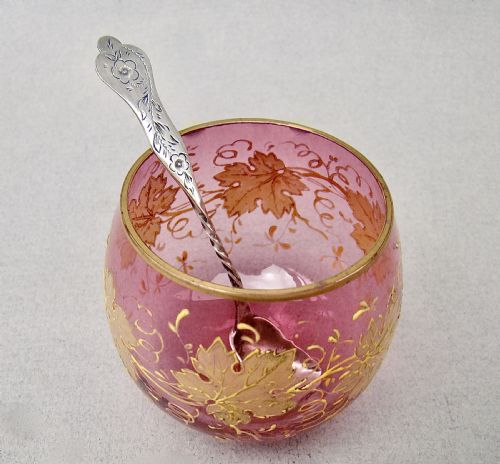
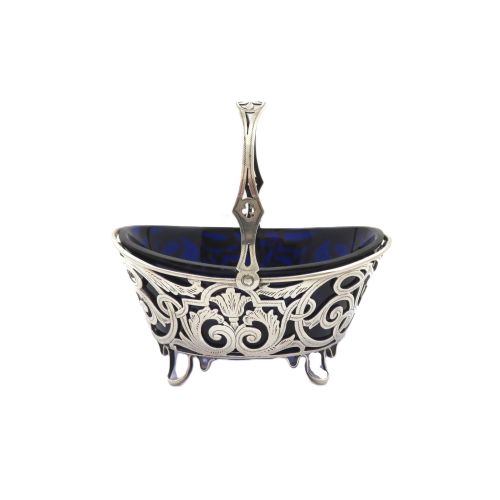
Many designs incorporate glass liners in cranberry, amber, or clear cut glass, uniting metal mounts with coloured glass vessels. Makers drew upon naturalism, neoclassical motifs, and novelty shapes such as animals or shells to shape these functional objects.
How They Were Made
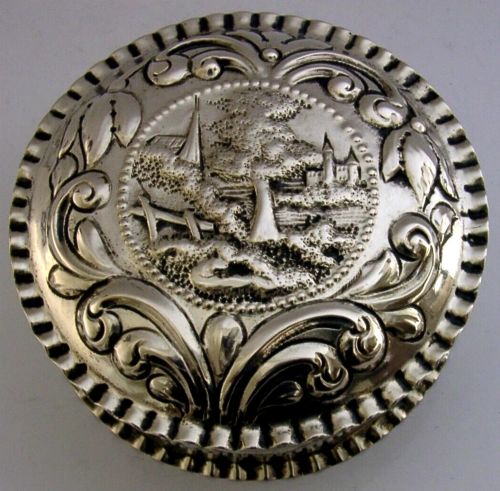
Silversmiths formed solid sterling silver items through hand-beating, casting, and piercing, often applying detailed repoussé and chased foliage by hand. Electroplating allowed manufacturers to coat base metal foundations with a durable layer of silver, democratising elaborate tableware for a broader Victorian public.
Glass components were mouth-blown, moulded, or wheel-cut before being fitted into silver frames, mounts, or cast metal galleries. Artisans combined media by securing glass liners within pierced silver baskets, metal stands, or hinged boxes with velvet linings.
Victorian Silver Dish Retail Price Guide 2026
Typical asking prices for victorian silver dish among the pieces listed under this phrase on Sellingantiques today, from the lower quarter to the upper quarter. They describe what is for sale here now, not the wider market.
What Varies in Quality
Quality rests in the crispness of the chasing, the thickness of the silver gauge, and the structural integrity of any fitted glass liners. Heavy casting and deep, hand-worked repoussé decoration separate superior examples from lighter, mass-produced stamped items.
The precision of maker marks, the retention of original gilding known as silver gilt, and the absence of distortion in pierced metalwork distinguish high-tier pieces. Maker attribution to established silversmiths further elevates a piece within the historical record.
George W. Scott And Sons Ltd·Barnards·William Comyns·Daniel Arter·Walker And Hall·Elkington And Co·Roberts And Belks·Stephen Smith·Hukin And Heath
The Victorian Silver Dish Glossary
- Repoussé
- A metalworking technique where the artisan hammers the design from the reverse side to form raised relief patterns on the surface. This method creates tactile, three-dimensional scenes and floral motifs across the bowl walls.
- Chasing
- Working metal from the front by sinking the material with punches to refine details and add texture after repoussé work. It provides crisp lines on leaves, scrolls, and borders.
- Silver Gilt
- A layer of gold applied to the surface of sterling silver, often used on the interior of dishes and bowls. This treatment protects the silver from acidic foods like fruit and preserves the metal.
- Electroplate
- A process using an electrical current to deposit a thin layer of silver onto a base metal such as nickel silver or brass. It enabled nineteenth-century manufacturers to produce affordable tableware.
- Hallmark
- Official stamps struck into precious metals to indicate the standard of purity, the assay office, the maker, and the year of production. They serve as a reliable guide for dating antique silver.
Victorian Silver Dish: Frequently Asked Questions
What were silver dishes used for?
These pieces served specific functions in nineteenth-century dining, holding butter, sugar, sweets, strawberries, or salt during formal meals. Covered versions kept food protected, while open baskets presented fruit and confectionary on the sideboard.
Smaller trinket boxes and pin trays sat on dressing tables to store jewellery, calling cards, or small personal items. Their dual utility as decorative art and practical tableware made them staples of middle and upper-class households.
Are silver plated dishes marked?
Silver-plated items often carry manufacturer marks, trade names, or codes that differ from official sterling silver assay hallmarks. Makers used symbols, initials, and numerical stamps to indicate plating quality and the underlying base metal.
While they lack lion passant or crown sterling marks, these maker stamps help identify the producing firm and approximate period of manufacture. Researching the specific device reveals the workshop history.
How can I tell the date of a piece?
Sterling silver items carry a date letter hallmark stamped alongside the assay office mark and maker's initials. Consulting standard date tables for London, Birmingham, Sheffield, or foreign assay offices pinpoints the exact year of production.
Silver-plated items rely on style, registration numbers, and known active dates of the maker rather than official assay date letters. Stylistic shifts from Victorian naturalism to Edwardian neoclassical designs help narrow down the decade.