


Edwardian Silver Platter
An edwardian silver platter brings refined hospitality to the table, offering durable silver plate and classic proportions that suit any formal tea or serving occasion.
What an edwardian silver platter is
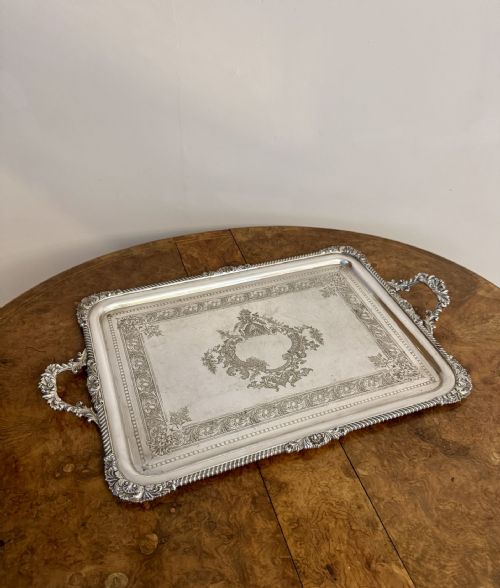
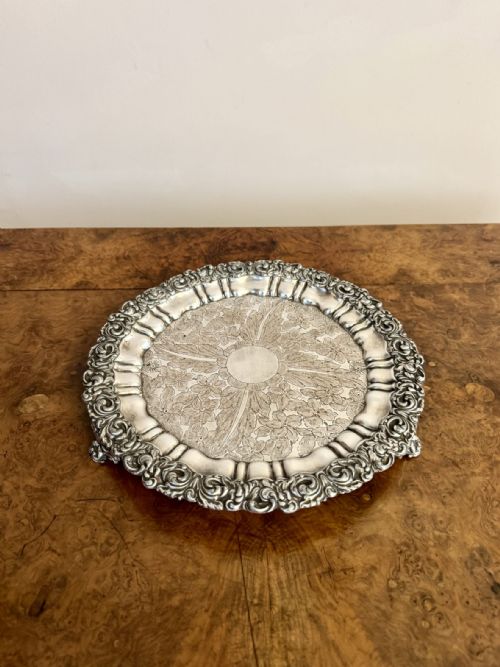
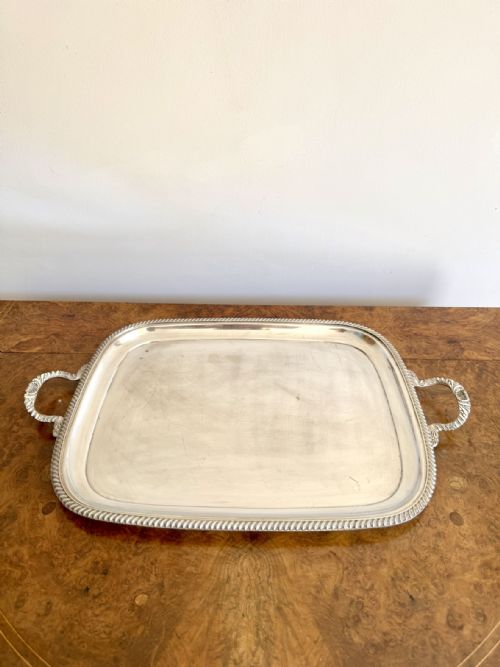
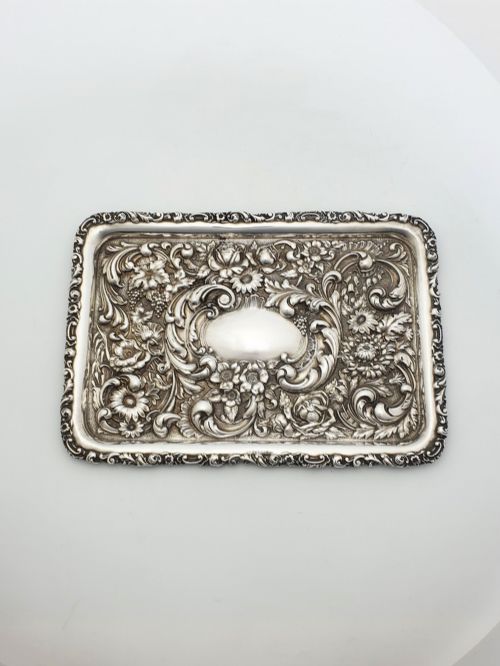
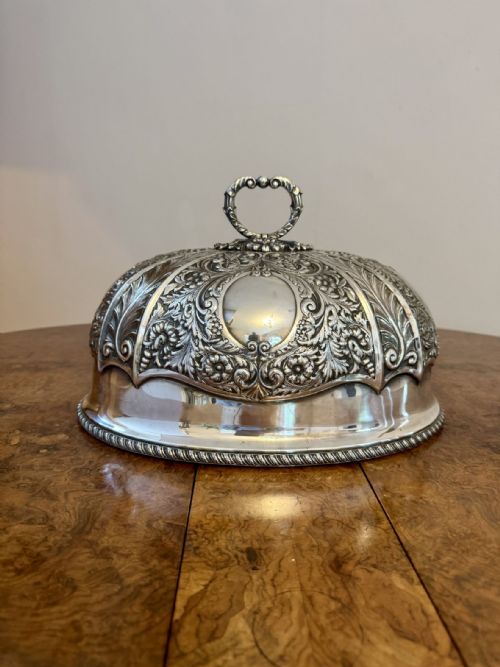
An edwardian silver platter encompasses serving trays, cake stands, entrees, and salvers produced during the early twentieth century. These pieces serve functional roles in hospitality, designed to present food and drink with elegance.
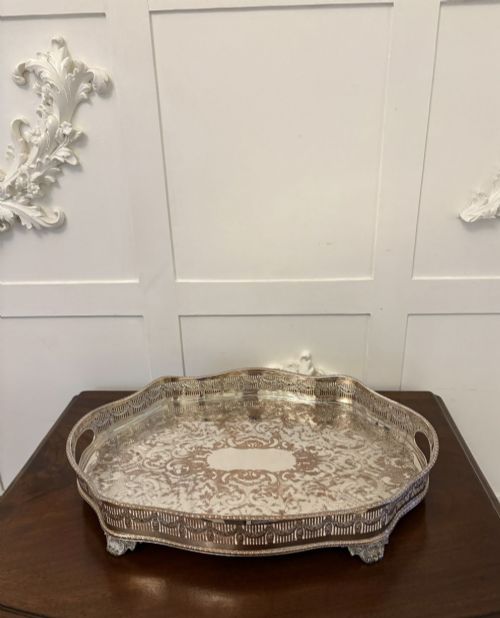
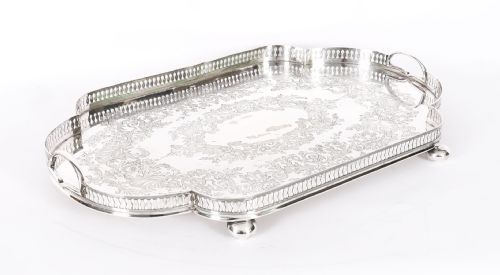
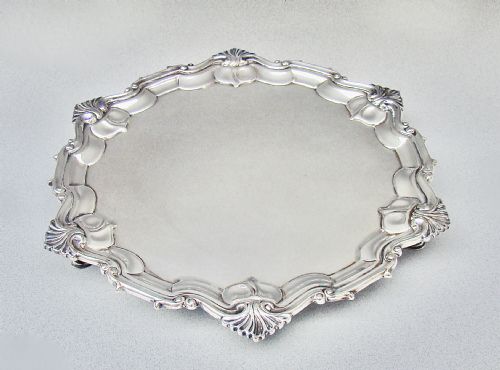
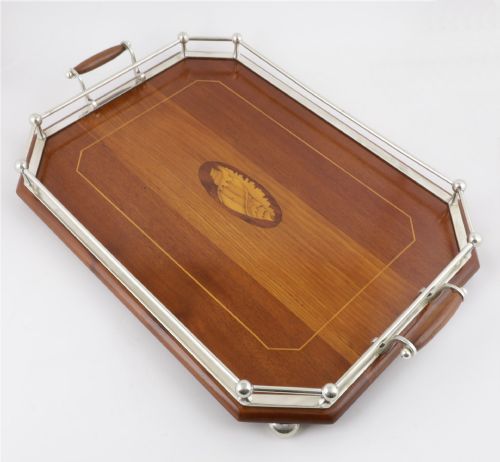
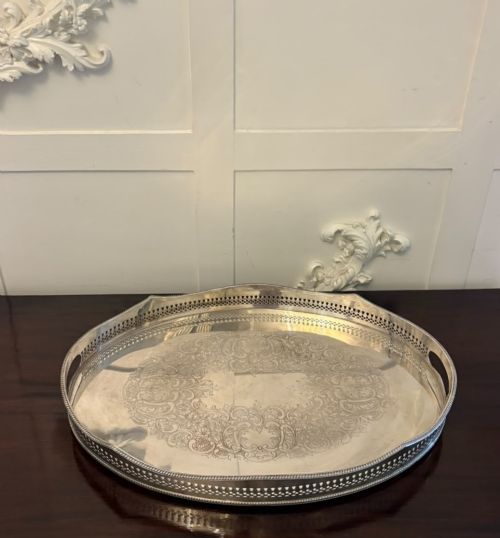
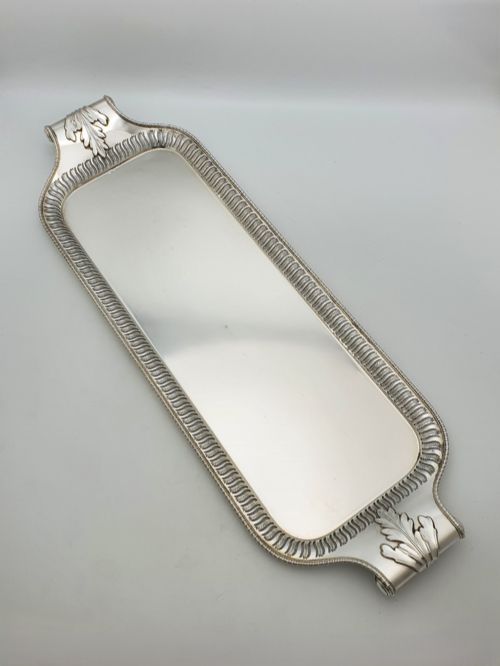
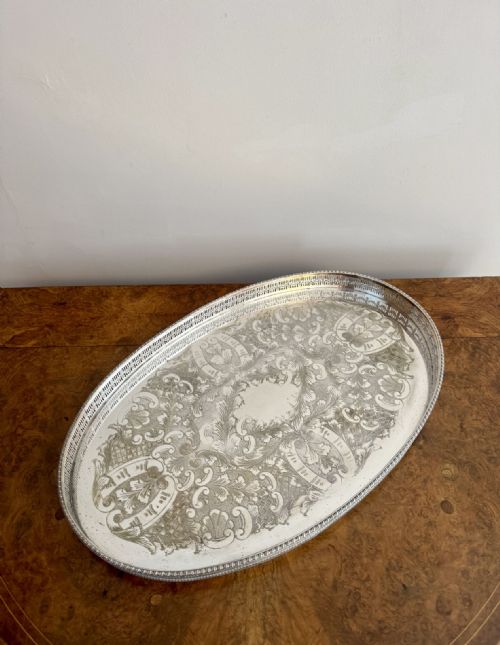
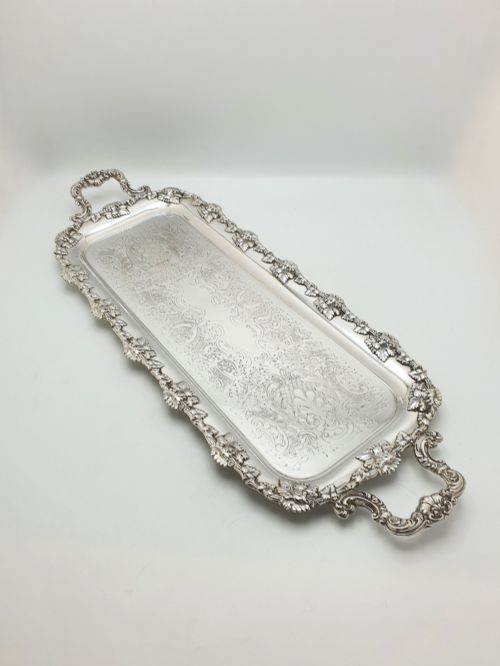
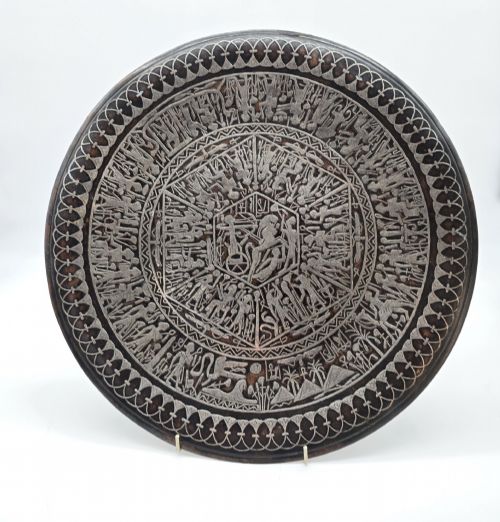
The selections on this page span diverse forms, including serving trays with pierced borders, oval oak trays mounted in silver plate, and tiered cake stands. Most items date from the Edwardian era around 1900 to 1910, reflecting the domestic habits of the period.
How they were made
Makers utilised base metals such as nickel silver and electroplated nickel silver as the foundation for these items. Workers applied a thin layer of silver over the base metal using electrolysis, creating a bright metallic finish.
Decorative elements involve pierced metal borders, cast handles, and combinations of materials like oak mounted with silver plate. These fabrication methods provided the appearance of solid silver at a more accessible weight and cost.
Retail Price Guide 2026
Typical UK retail prices for edwardian silver platter, calculated from the Sellingantiques database of over a million retail prices indexed since 2003. This retail price guide relies exclusively on Sellingantiques data; no external sources or auction records are used, so the figures do not describe the wider market.
Listings feature silver plate, EPNS, and nickel silver across forms like cake stands, entrees, and serving trays.
What varies in quality
The distinction between standard items and superior examples lies in the weight of the metal and the crispness of the border piercing. Thicker base metals and deeply etched or cast decoration indicate higher standards of manufacture.
Pieces bearing marks from established firms demonstrate greater attention to finishing details and structural integrity. The preservation of the original silver plate layer also defines the grade of surviving items.
Mappin and Webb
The Edwardian Silver Platter Glossary
- Silver Plate
- A base metal coated with a thin layer of pure silver through an electrochemical process. This technique made tableware accessible to more households.
- EPNS
- An abbreviation for electroplated nickel silver, which serves as the core alloy beneath the silver coating. It provides strength and corrosion resistance.
- Pierced Border
- An openwork pattern cut through the metal rim of a tray or platter for decoration. This technique lightens the visual weight of the piece.
- Tazza
- A small pedestal plate or dish used for serving small cakes or fruit. It elevates the food above the surface of the table.
Frequently Asked Questions
How do I clean an edwardian silver platter?
Use a soft cloth and a specialised silver polish designed for plated items to maintain the shine without removing the thin silver layer.
Avoid harsh abrasives or scrubbing brushes that can wear away the plating and expose the underlying nickel silver.
Can I use these platters for daily dining?
These pieces function well for serving dry foods, cakes, and bottled beverages during special meals or gatherings.
Hand wash the items immediately after use and dry them thoroughly to protect the electroplated surface from moisture damage.
What is the difference between EPNS and solid silver?
EPNS consists of a nickel silver base covered by a thin coating of pure silver, whereas solid silver is uniform throughout.
Plated items offer a bright metallic appearance with reduced weight and greater rigidity compared to softer solid silver.
How do I identify an edwardian piece?
Look for stylistic cues such as pierced borders, Edwardian proportions, and maker marks associated with early twentieth-century production.
Archive records and period styles help confirm the approximate manufacturing timeframe of around 1900 to 1910.