

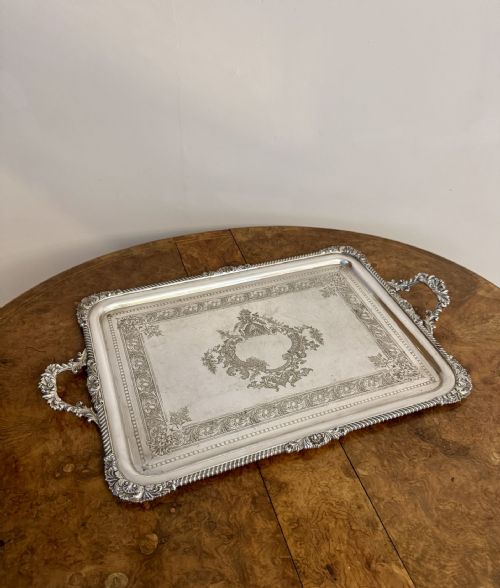
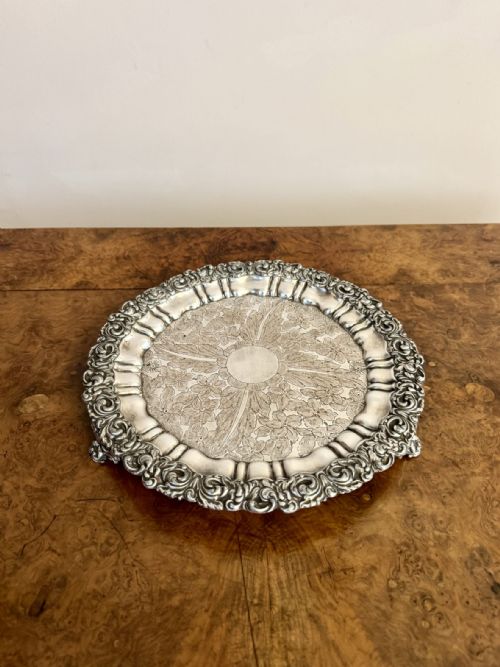


Edwardian Epns Tray
An edwardian epns tray brings silver shine to your table without the heavy cost of solid metal.
Edwardian Epns Tray
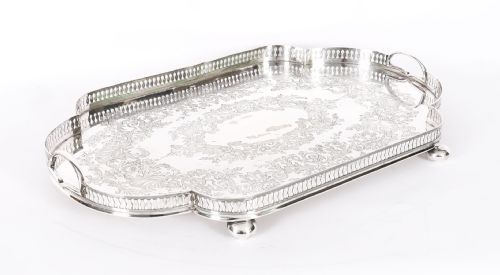
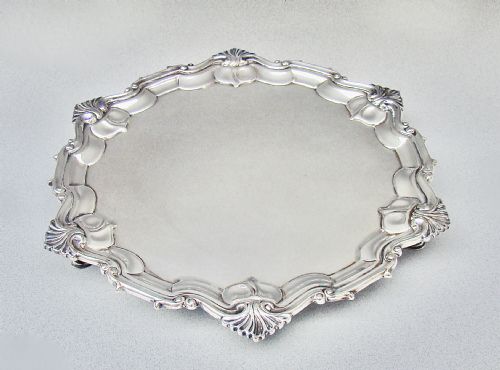
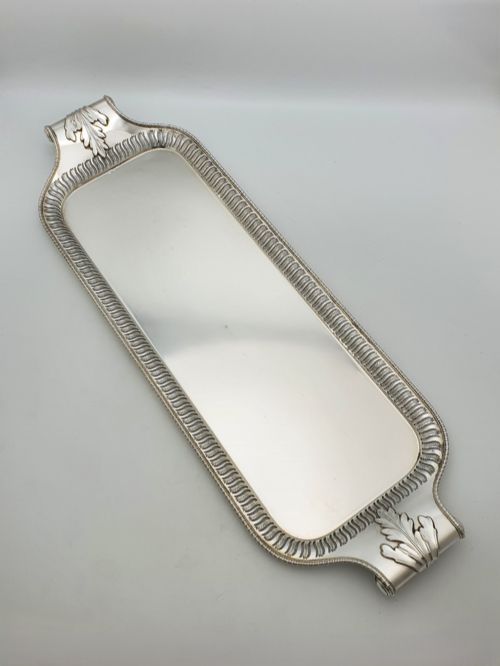
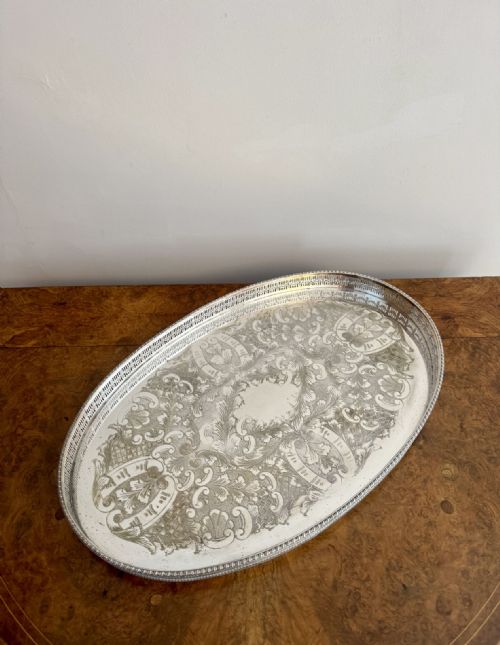
When you search for an edwardian epns tray, you are looking at silver plated serving ware made around the turn of the twentieth century. These pieces include circular cocktail trays, engraved tea trays, and items fitted with pierced galleries or raised borders.
The most common examples on this page date from the Edwardian period and the late Victorian era, spanning forms designed for formal serving and everyday hospitality. Alongside standard trays and salvers, the selection extends to related silver plated serveware such as asparagus dishes and biscuit barrels.
Makers utilised electroplated nickel silver to create durable domestic items that mimic solid silver tableware. Each piece reflects the formal dining habits of the period, offering handles, feet, and engraved surface decoration appropriate for serving tea, drinks, or food.
How they were made
Silversmiths formed these trays using nickel silver as a base metal before applying a coating of silver plate through electrolysis. This electroplated technique allowed workshops to produce sturdy household goods with a uniform silver surface.
Many examples feature decorative borders cast separately and attached to the base, alongside hand or machine engraving across the central bed. Pierced galleries were worked into metal sheets to create openwork railings around the perimeter of the tray.
Listings feature electroplated nickel silver and silver plate across serving trays, salvers, biscuit barrels, and asparagus dishes.
What varies in quality
Quality in an edwardian epns tray depends heavily on the crispness of the engraving and the weight of the underlying metal base. Thicker gauge nickel silver prevents flexing and supports deep, clean chasing without distorting the shape of the tray.
The durability of the silver plating and the refinement of cast details such as handles and pierced galleries distinguish standard production items from workshop pieces bearing recognised maker marks.
James Deakin·William Hutton & Sons·Mappin & Webb·Walker & Hall
The Edwardian Epns Tray Glossary
- EPNS
- Electroplated Nickel Silver. This designates a base metal alloy of copper, nickel, and zinc coated with a layer of pure silver.
- Gallery tray
- A serving tray featuring a raised openwork metal railing or gallery around the edge. This design prevents items from sliding off during service.
- Salver
- A flat serving tray typically supported on small feet. These pieces were traditionally used for presenting letters, glasses, or visiting cards.
- Biscuit barrel
- A covered container designed to hold dry biscuits on the dining or tea table. These vessels often feature a matching lid and swing handle.
Edwardian Epns Tray: Frequently Asked Questions
How do I clean an epns tray?
Use a soft cloth and a gentle silver polish formulated specifically for plated items to maintain the surface shine.
Avoid abrasive cleaners or excessive scrubbing, which can wear away the thin silver layer and expose the nickel silver base metal underneath.
Can I use these trays daily?
These trays handle everyday serving duties well because the nickel silver base provides strong structural support.
Dry the metal thoroughly after washing to prevent water spots and keep the plated surface in good condition for regular use.
What is a pierced gallery?
A pierced gallery is an openwork decorative border fixed around the rim of a tray. This railing keeps glasses or tea services secure while carrying.
Workshops cut intricate geometric or floral patterns through the metal strip before soldering it to the base plate.
How do I date these pieces?
Examine the style of engraving, the shape of the handles, and any stamped maker marks on the underside. Most items date from the late nineteenth century up to the Edwardian era.
Design motifs of the period often combine traditional floral engraving with sturdy, functional proportions suited to formal dining.