


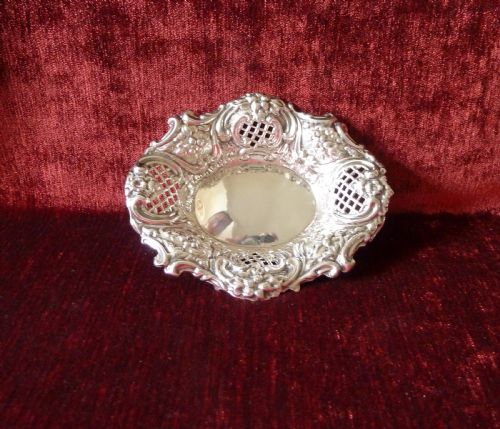


Silver Vanity Tray
A silver vanity tray organises dressing table essentials with polished metalwork, bringing period elegance and reflective charm to daily routines.
What silver vanity tray pieces are
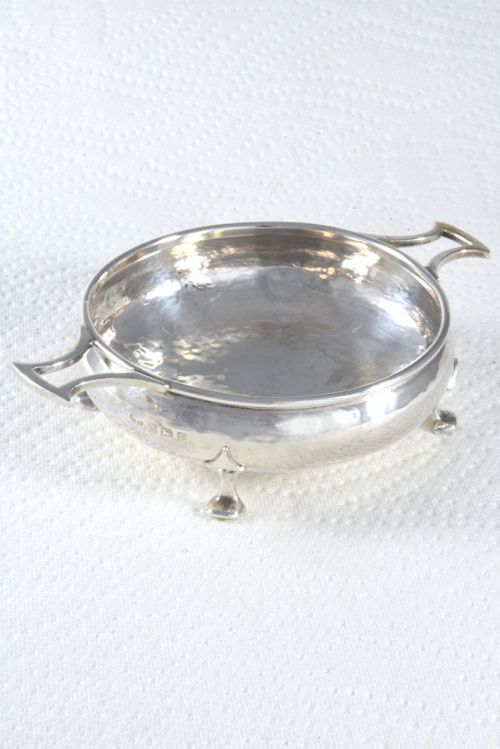
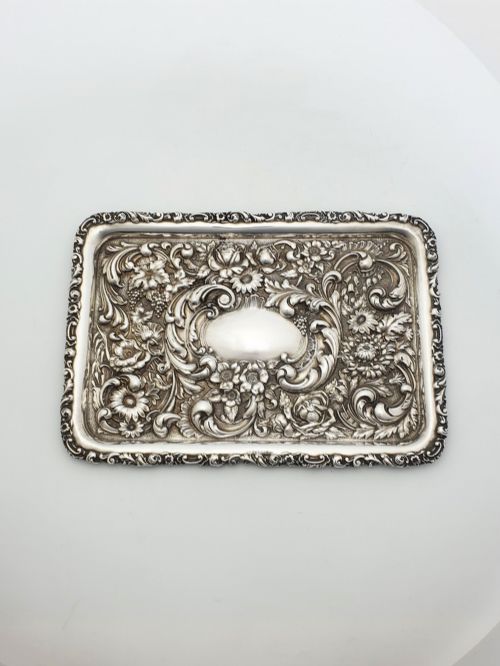
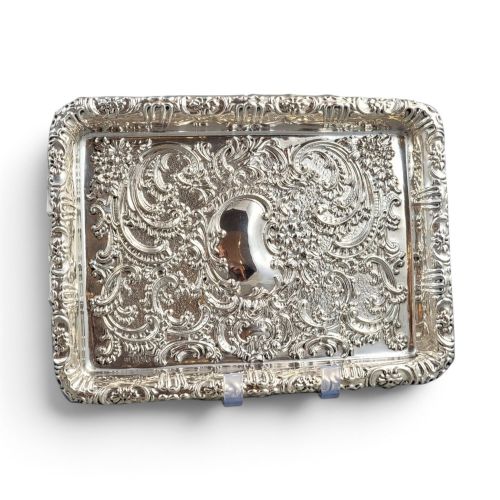
A silver vanity tray encompasses small trinket dishes, card trays, and serving pieces designed for personal use and display. These items appear across Victorian, Edwardian, George V, and Mid-Century Modern periods, reflecting changing domestic habits from the nineteenth century onward.
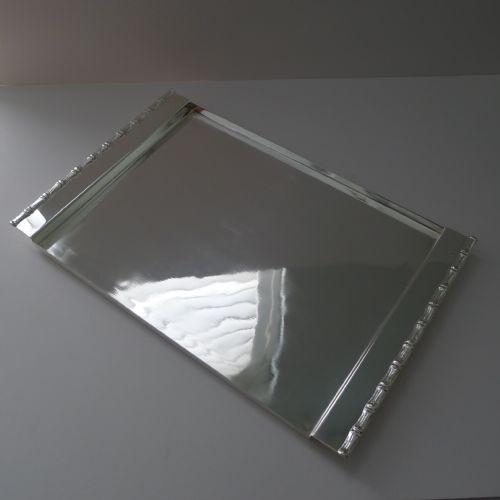
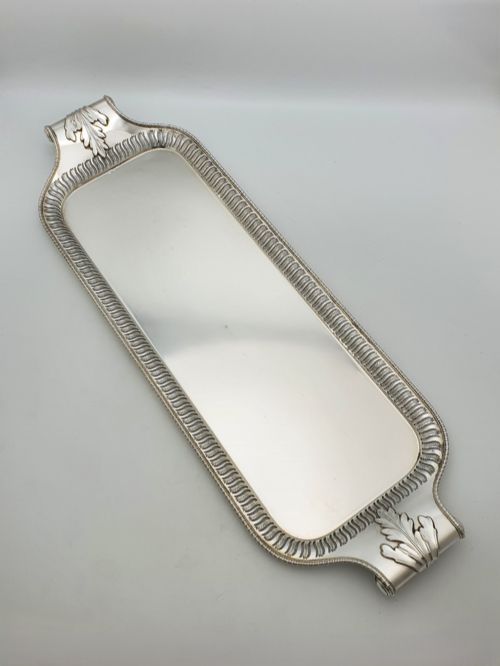
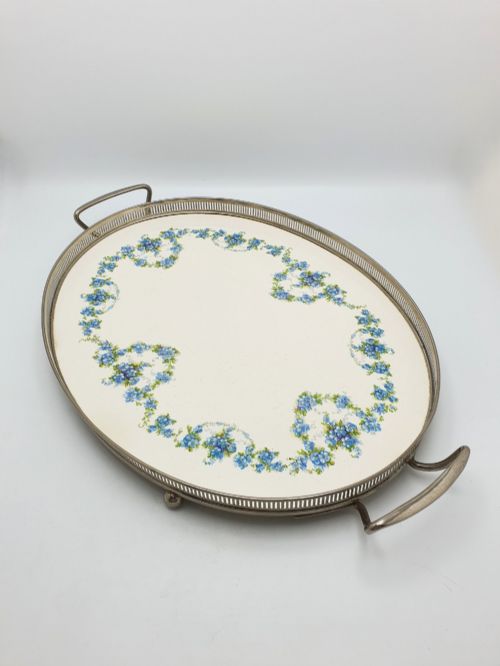
The versions most likely to be met on this page include Edwardian silver-plated serving trays with pierced borders, sterling silver card trays, and mid-century Italian modernist designs featuring bamboo handles. Forms range from compact trinket trays to larger gallery tea trays and salvers.
Makers and origins span London workshops and Italian production houses, utilising both sterling silver and silver plate over base metal or nickel silver. Each piece demonstrates the enduring appeal of decorative metalwork for holding small personal items.
What varies in quality
Quality differences rest upon the choice of material, distinguishing solid sterling silver from silver-plated base metal or nickel silver. The precision of pierced borders and the integrity of applied handles indicate the level of craftsmanship involved in production.
Design sophistication also separates standard items from exceptional pieces, such as the deliberate modernist lines of mid-century Italian work compared to traditional Edwardian gallery trays. The weight of the metal and the clarity of hallmarks or maker stamps further define the standard of execution.
Retail Price Guide 2026
Typical UK retail prices for silver vanity tray, calculated from the Sellingantiques database of over a million retail prices indexed since 2003. This retail price guide relies exclusively on Sellingantiques data; no external sources or auction records are used, so the figures do not describe the wider market.
Listings span five distinct periods, from Victorian and Edwardian eras through George V and the 1960s Mid-Century Modern movement.
Robert Pringle And Sons
The Silver Vanity Tray Glossary
- Sterling silver
- A silver alloy containing 92.5 percent pure silver and 7.5 percent other metals, usually copper, ensuring durability while maintaining precious metal standards. This material provides the primary substance for high-grade trays and dishes.
- Silver plate
- A layer of silver applied to a base metal or nickel silver foundation through various plating techniques. This method offered an accessible alternative to solid silver for larger serving pieces.
- Gallery tray
- A tray featuring an openwork or pierced metal gallery wall rising around the flat base to secure items placed upon it. Edwardian makers frequently utilised this style for tea service and dressing table organisation.
- Hallmark
- An official stamp applied by an assay office to precious metal items, indicating purity, origin, and date. Collectors rely on these marks to verify the age and composition of silver pieces.
Frequently Asked Questions
What is a silver vanity tray used for?
These trays serve as decorative holders for dressing table accessories, small personal items, and visiting cards. They organise everyday objects while adding a reflective metallic surface to domestic spaces.
Historically, similar pieces functioned in various rooms for serving drinks or presenting calling cards. Today, they remain versatile accents for holding modern trinkets.
What is the difference between sterling silver and silver plate?
Sterling silver consists of a solid precious metal alloy throughout the entire object, meeting strict purity standards. Silver plate involves a thin coating of silver bonded to a base metal or nickel silver core.
Pieces made of solid silver generally carry official hallmarks indicating their composition. Plated items may show wear on high points where the underlying base metal becomes visible.
How do I care for a silver vanity tray?
Maintenance involves gentle cleaning with appropriate silver polish to remove tarnish without damaging the metal surface or plating. Soft cloths prevent scratching during routine dusting.
Storing pieces away from excessive moisture and direct sunlight preserves the finish. Regular, careful handling ensures the longevity of both solid silver and plated items.