

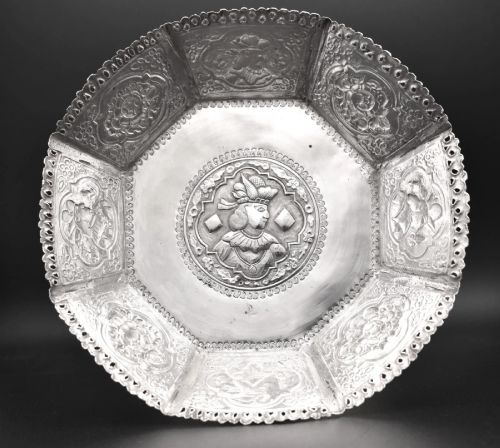


Victorian Silver Platter
These victorian silver platter pieces bring substantial scale and fine metalwork to the table.
Victorian Silver Platter
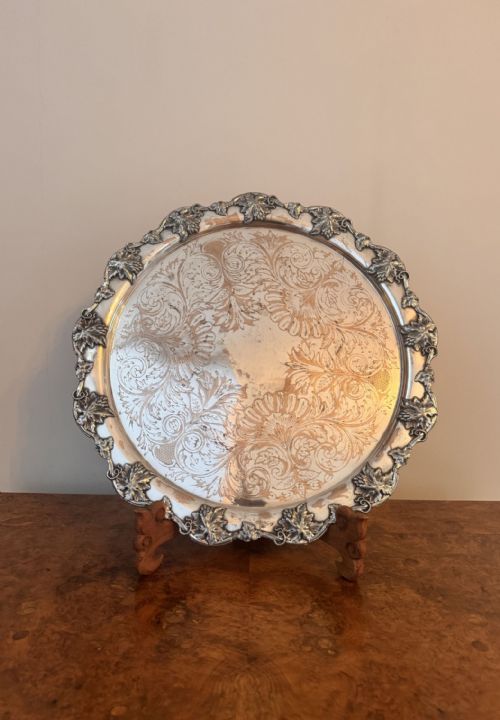
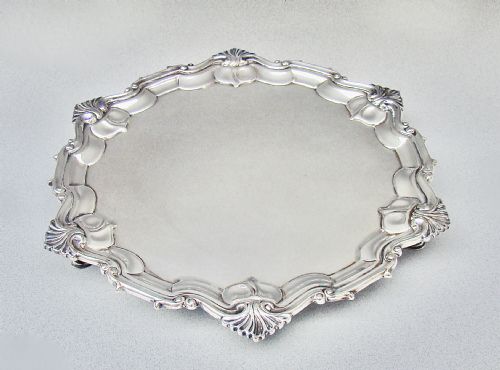
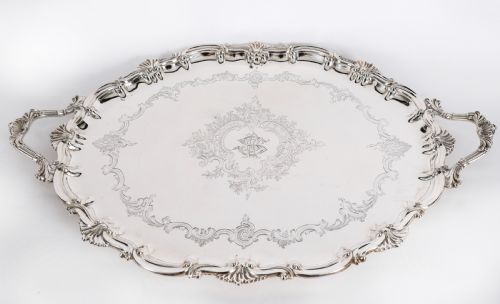
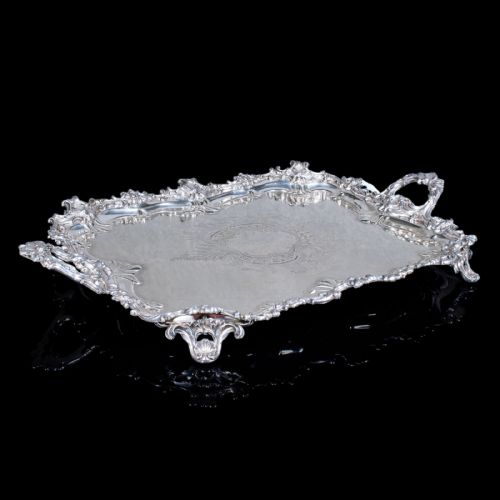
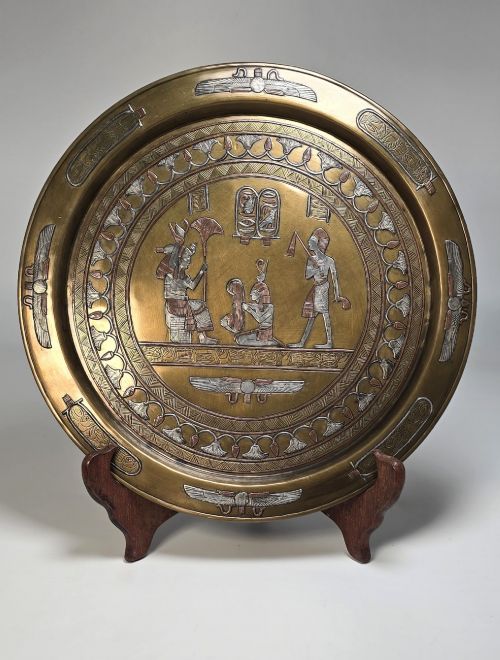
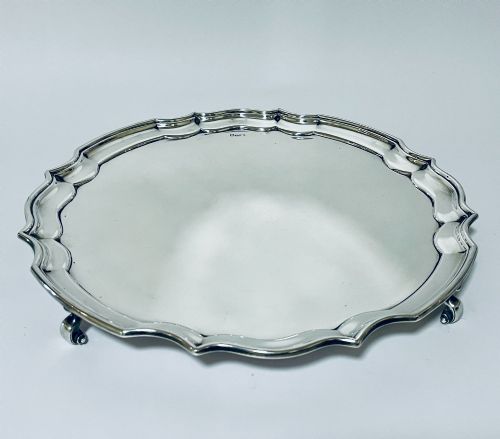
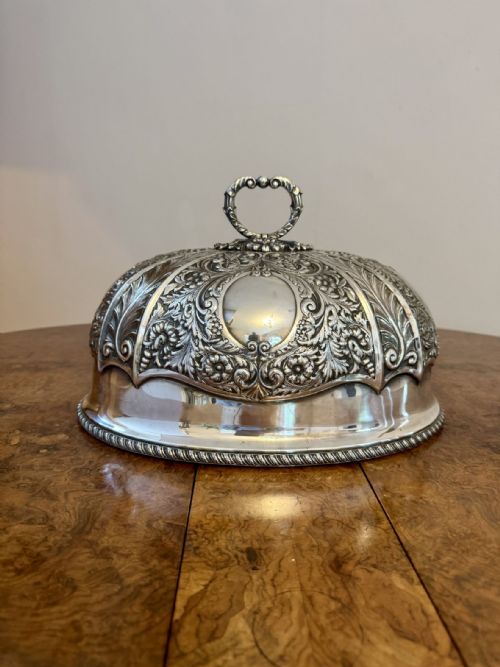
A victorian silver platter encompasses large serving trays, salvers, meat domes, and chargers originating primarily through the nineteenth century.
The pieces on this page appear in circular, oval, and rectangular forms, often featuring handles, raised rims, or footed supports.
Origin points span English silversmithing centres like Sheffield and Birmingham, alongside continental workshops and regional colonial production.
Materials and Techniques
Makers utilised solid sterling silver, traditional Old Sheffield Plate, and later electroplated nickel silver or standard silver plate over base metals.
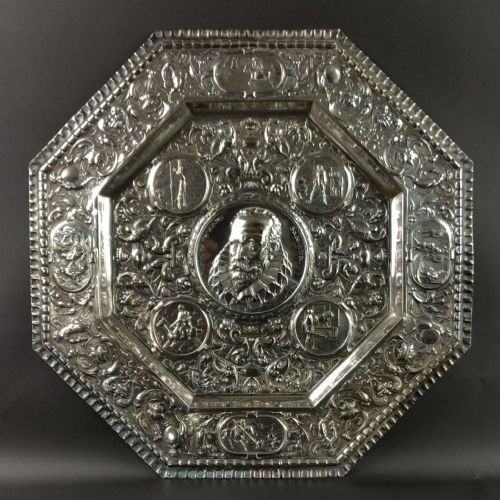
Surface ornamentation relied on repoussé hammering, detailed hand engraving, floral etching, and applied cast borders.
Specialised techniques such as silver inlay and electrotyping enabled complex figural and architectural relief scenes.
Victorian Silver Platter Retail Price Guide 2026
Typical asking prices for victorian silver platter among the pieces listed under this phrase on Sellingantiques today, from the lower quarter to the upper quarter. They describe what is for sale here now, not the wider market.
Listings feature items spanning the 19th century, Victorian era, and Edwardian period in solid silver, silver plate, and copper.
Distinctions in Standard
Quality rests upon the weight of the metal blank and the depth of the hand-chased repoussé work rather than surface shine alone.
Crispness in cast rims, tight joints on meat covers, and intact plating without base metal showing through define superior execution.
William Hutton & Sons·Thomas Bradbury & Sons·John Harrison·Walker & Hall·Hamilton & Inches·Elkington & Co·Walker Knowles·J Dixon & Sons·Hunt & Roskell
The Victorian Silver Platter Glossary
- Salver
- A footed tray used for serving drinks or presenting items, typically circular with a decorative border.
- Repoussé
- A metalworking technique where the design is hammered into relief from the reverse side.
- EPNS
- Electroplated Nickel Silver, a durable base metal core covered in a thin layer of silver via electrolysis.
- Charger
- A large ornamental plate or platter used traditionally for ceremonial display or beneath other courses.
- Meat Dome
- A large domed cover used to keep joints of meat warm on the sideboard or serving table.
Victorian Silver Platter: Frequently Asked Questions
How do I clean an antique silver platter?
Use a soft cloth and a reputable silver cream designed specifically for antiques to preserve the original finish.
Avoid abrasive dips or harsh scrubbing that might strip thin plating or soften hand-engraved details.
Are these platters safe for serving food?
Most solid silver and intact silver-plated pieces remain suitable for dry or cold food presentation.
Items with worn plating revealing base metals are better suited for decorative display rather than direct food contact.
What is the difference between Old Sheffield Plate and silver plate?
Old Sheffield Plate involves fusing a thin sheet of sterling silver to a thick copper base before rolling.
Standard silver plate uses an electrical current to deposit a layer of silver over nickel silver or other base alloys.
How can I tell a Victorian piece from a Georgian one?
Victorian items often display heavier cast borders, more eclectic revival styles, and distinct maker marks or registry numbers.
Georgian examples tend toward simpler neoclassical lines or heavier hand-wrought proportions without mid-century factory marks.