
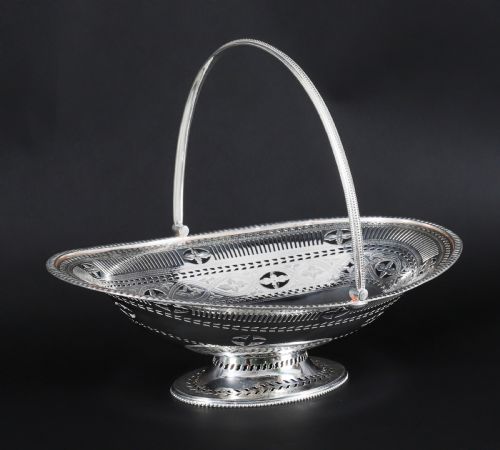
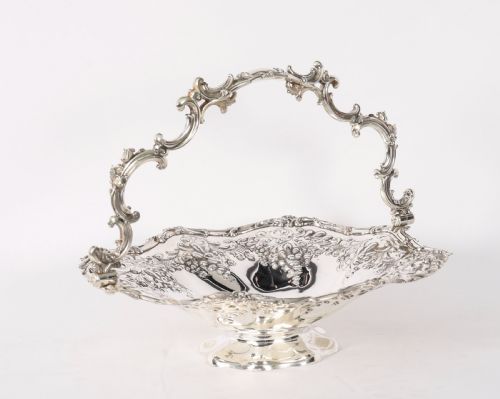
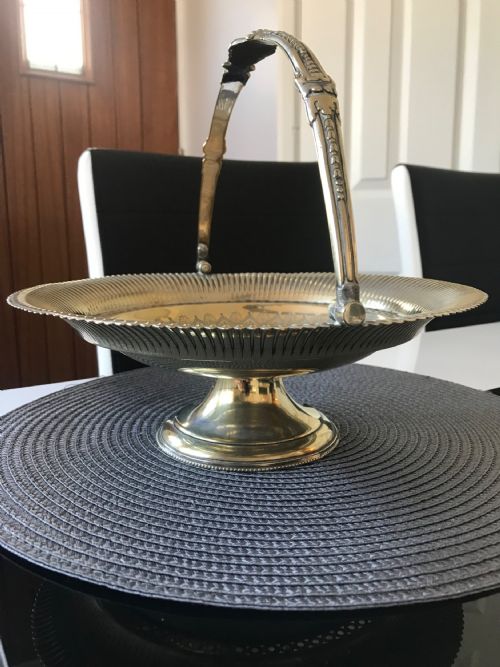
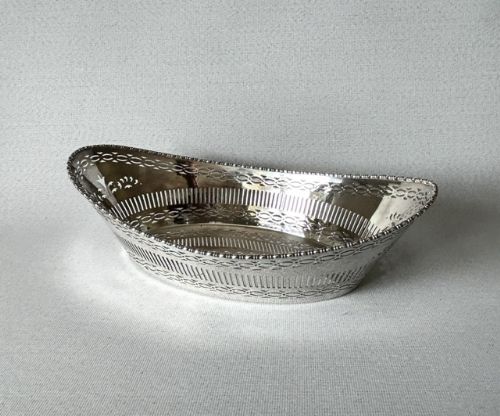
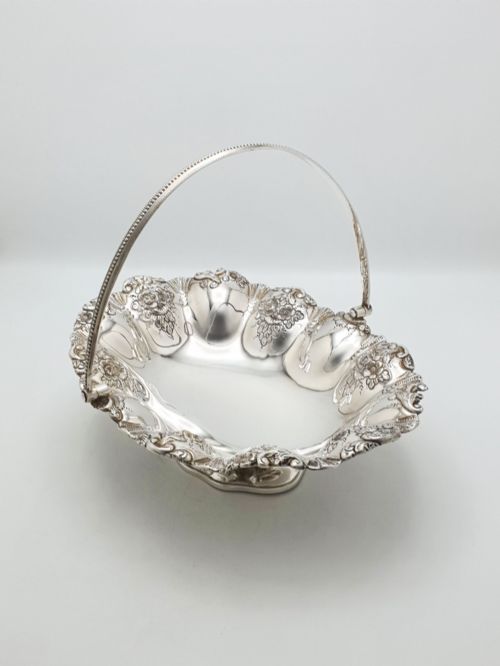
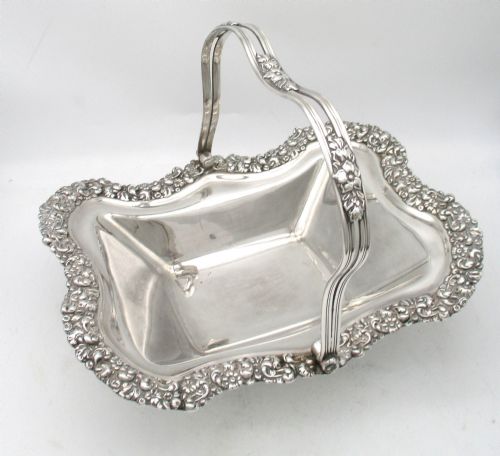
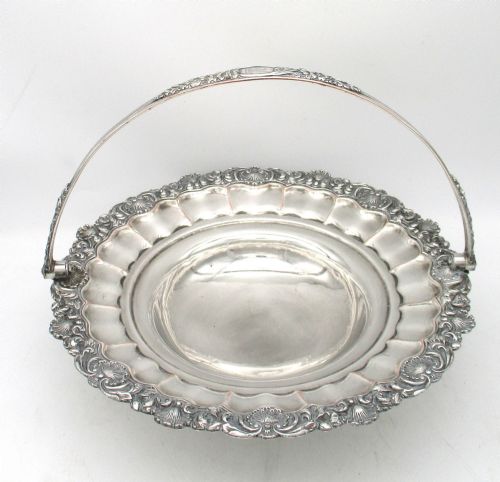


Silver Plated Fruit Bowl
A silver plated fruit bowl brings structural elegance and gleaming metalwork to a dining table.
Identifying silver plated fruit bowls
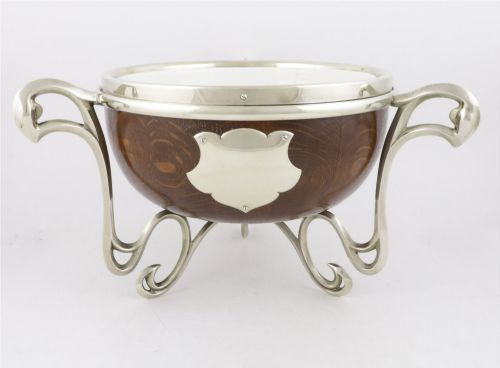
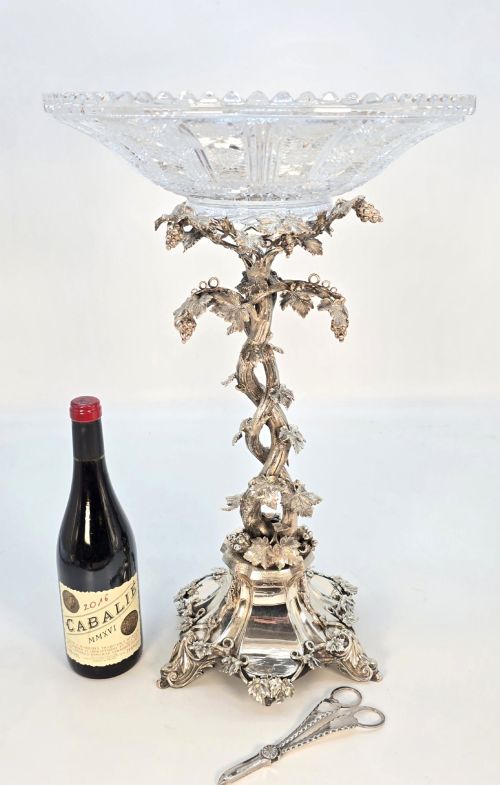
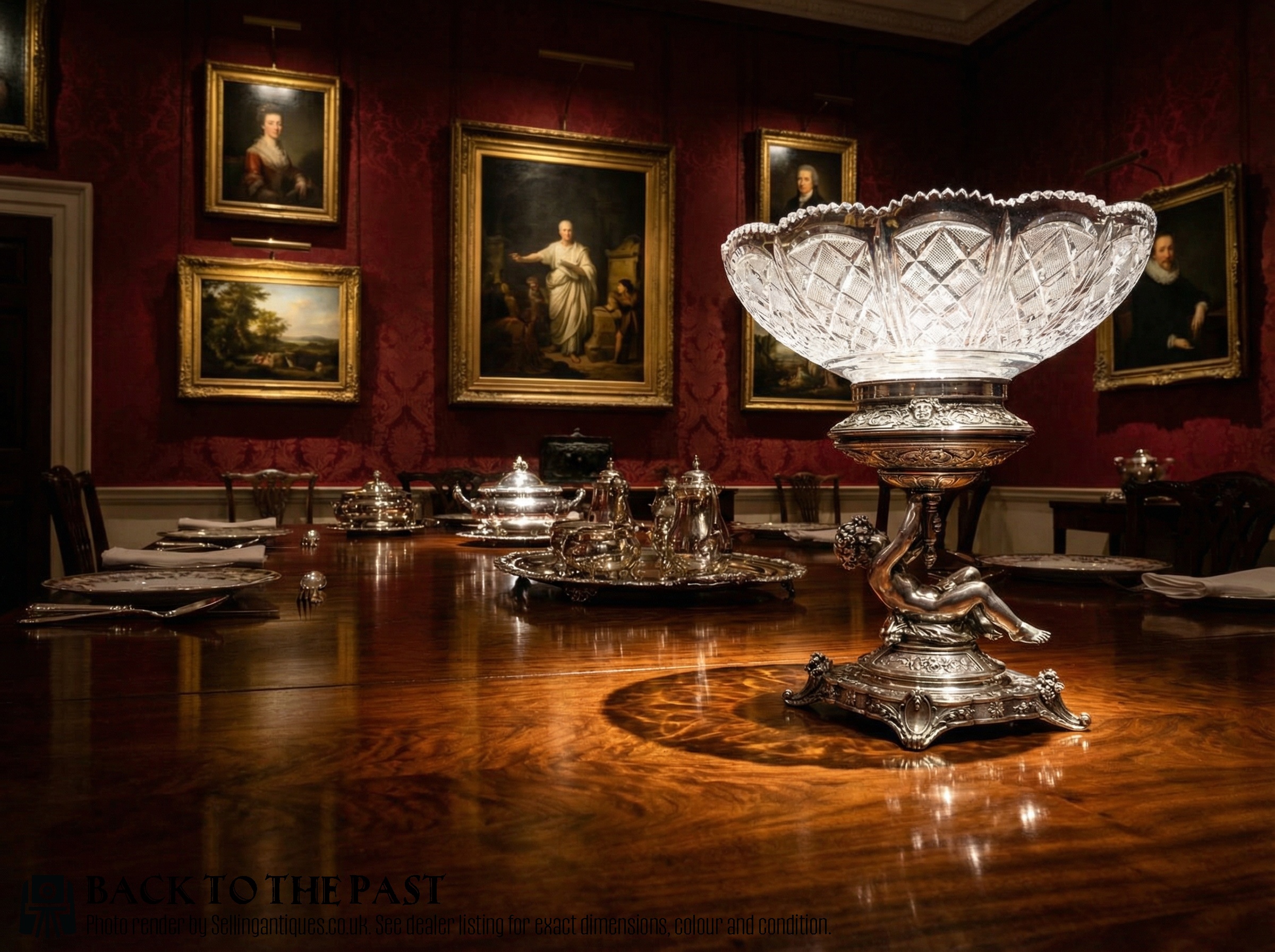
A silver plated fruit bowl combines a metal frame with various decorative vessels, functioning as a centrepiece, tazza, or serving dish. These items span periods from the nineteenth century through the art deco era, encompassing Victorian rococo revival, art nouveau, and twentieth-century modernist styles.
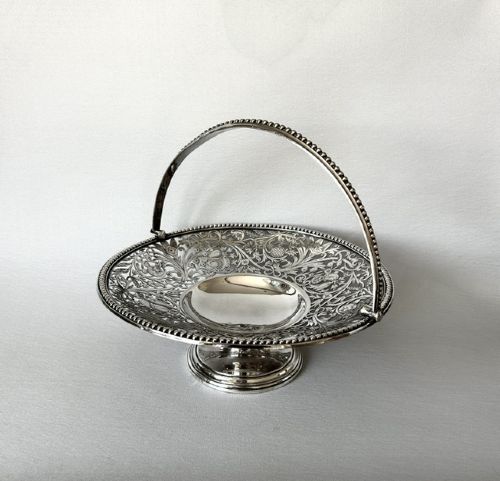
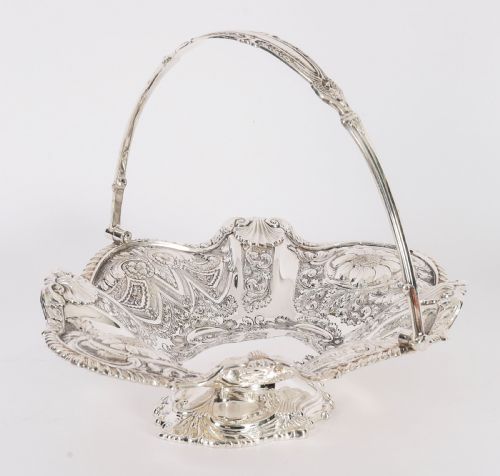
The objects appear in forms ranging from swing-handled baskets and pedestal bowls to large punch bowls and glass-lined centrepieces. The most common varieties met here include Victorian baskets, Edwardian cake stands, and French art deco serving dishes.
Makers and origins diversify the selections, featuring English silversmiths alongside continental producers such as WMF and Brille of Paris. Many pieces integrate fitted glass inserts, including cut crystal, ruby glass, and green vaseline glass.
Materials and construction
Makers utilised base metals such as brass, wood, and electroplated nickel silver as foundations for applying a silver plated surface. Glass liners in cut crystal, ruby red, and green vaseline glass were blown or moulded to fit metal frames precisely.
Techniques varied from pierced metalwork and embossed fruiting vine motifs to smooth geometric lines characteristic of art deco design. Swing handles, pedestals, and fitted rims required specialist metal-forming and soldering skills.
Retail Price Guide 2026
Typical UK retail prices for silver plated fruit bowl, calculated from the Sellingantiques database of over a million retail prices indexed since 2003. This retail price guide relies exclusively on Sellingantiques data; no external sources or auction records are used, so the figures do not describe the wider market.
The listings combine nineteenth-century Victorian pieces with twentieth-century art deco and art nouveau examples, featuring silver plate, cut glass, wood, and brass.
Judging quality in plated bowls
Quality rests on the crispness of embossed detail, the weight of the metal frame, and the integrity of the plating layer over the base metal. Superior examples exhibit balanced proportions, secure joints on swing handles, and uncompromised glass inserts.
Pioneering firms applied heavier plating standards and refined their metal alloys, which distinguishes superior workshop production from simpler commercial wares. The harmony between the glass liner and the metal holder dictates the overall success of a centrepiece.
WMF·Brille Paris·Elkington And Co·Walker And Hall·Alex E Clark And Company
The Silver Plated Fruit Bowl Glossary
- Electroplated Nickel Silver
- A base alloy of copper, nickel, and zinc coated with a layer of pure silver through an electrolytic process. This method became standard for producing durable domestic tableware from the mid-nineteenth century onwards.
- Tazza
- A shallow bowl or dish raised on a pedestal foot, frequently utilised for serving fruit or cakes. The form derives from Renaissance glassware and ceramics.
- Vaseline Glass
- A type of glass coloured with uranium oxide that exhibits a distinctive yellow-green fluorescence under ultraviolet light. It appears frequently in art nouveau metalwork frames.
- Centrepiece
- A large decorative object placed in the middle of a dining table, often combining metal stands with glass bowls for fruit or floral arrangements. These items dominated formal nineteenth-century dining tables.
Frequently Asked Questions
What are these bowls used for?
These vessels served primarily to present fruit, bread, or cakes on formal dining tables and sideboards. Large variants also functioned as punch bowls or floral centrepieces.
Today, they suit contemporary dining spaces as functional tableware or decorative display pieces holding fruit and decorative objects.
How do I identify the period of a bowl?
Stylistic indicators offer the clearest guide to dating a piece, with ornate floral chasing suggesting Victorian work and streamlined geometric shapes pointing to the art deco era. Makers' marks and stamps on the underside also help pinpoint the manufacturing origin and timeframe.
Materials provide further clues, as specific glass colours like green vaseline glass align closely with art nouveau production around nineteen hundred.
How do I care for silver plate?
Regular dusting with a soft cloth prevents tarnish build-up on the silver plated surfaces. When polishing becomes necessary, use a non-abrasive silver cream applied gently with circular motions.
Glass liners remove easily for washing in warm soapy water. Avoid submerging weighted or wood-combined bases in water to protect the internal construction.
Are glass liners original?
Many bowls retain their fitted cut glass, ruby, or vaseline glass liners, which were designed specifically for the metal frame. The secure fit and matching proportions usually indicate an original pairing.
Replacements do occur over decades of use, so examine the rim contact points and glass thickness for signs of consistency with the period.