


19th Century Silver Basket
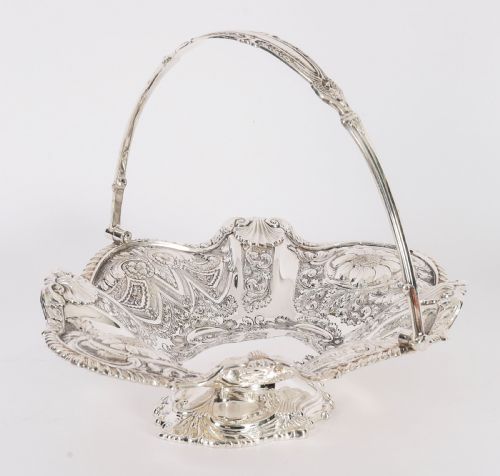
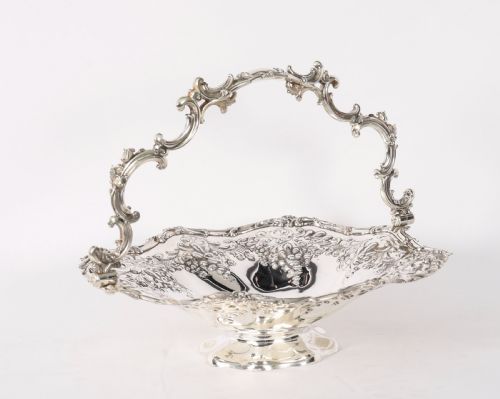
A 19th century silver basket brings Victorian craftsmanship to the table, offering a decorative centrepiece shaped by period revival styles.

19th Century Silver Basket
When you search for a 19th century silver basket, you encounter serveware designed for fruit, bread, or sweetmeats during the Victorian era. The listings here show pieces predominantly formed in silver plate, along with sterling silver and mixed materials like opaline glass.
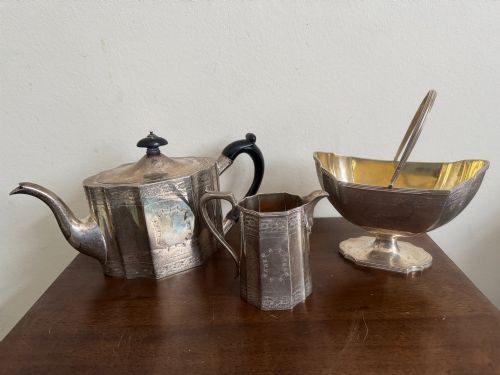
Forms range from fruit baskets and bread baskets to decorative bowls and tea sets. You will find Victorian Rococo Revival and Aesthetic Movement styles dominating the selection, reflecting the ornate tastes of the nineteenth century.
How they were made
Makers utilised silver plate, electroplated nickel silver, and sterling silver as the primary metallic foundations for these vessels. Techniques involved shaping metal into elaborate revival forms, sometimes incorporating gold gilding or ebony handles.
Specialised workshops also combined silver mountings with opaline glass bodies, creating contrasting textures that defined late nineteenth century decorative arts.
19th Century Silver Basket Retail Price Guide 2026
Typical asking prices for 19th century silver basket among the pieces listed under this phrase on Sellingantiques today, from the lower quarter to the upper quarter. They describe what is for sale here now, not the wider market.
Toothpick holders occasionally share table space with massive fruit baskets, proving the Victorians had a specialised silver vessel for every conceivable morsel.
What varies in quality
The distinction between standard items and superior examples lies in the depth of the metalwork and the crispness of the revival ornamentation. Heavier gauge silver plating and intricate, hand-chased Rococo detailing elevate certain pieces above simpler production items.
The inclusion of specific maker marks and integrated materials, such as contrasting glass inserts or precious gilding, determines the standing of a basket within its period.
George W. Scott & Sons Ltd·James Dixon·Wilkinson & Co·Walker & Hall·Robert & Hall
The 19th Century Silver Basket Glossary
- Silver plate
- A layer of silver fused to a base metal core such as copper or nickel silver. This technique allowed nineteenth century makers to produce substantial decorative items at a lower cost than solid silver.
- Electroplated nickel silver
- A base alloy of copper, nickel, and zinc coated with a chemical bath of silver. It became the standard method for durable tableware production in the Victorian period.
- Sterling silver
- An alloy consisting of pure silver and other metals, typically copper, standardised for strength and purity. Pieces in the evidence bear this designation for solid silver items.
- Sweetmeat basket
- A small open vessel traditionally used for serving small confections, nuts, or dried fruits. These often feature pierced decoration and swing handles.
- Aesthetic Movement
- A late nineteenth century design style that emphasised visual beauty over narrative or moral meaning. Objects from this movement often incorporate asymmetric forms and contrasting materials like opaline glass.
19th Century Silver Basket: Frequently Asked Questions
What is a 19th century silver basket used for?
These vessels were originally manufactured to serve fruit, bread, or sweetmeats at formal dining tables during the Victorian period. They functioned as both practical tableware and prominent decorative displays.
Today, they serve equally well as dining table centrepieces or decorative bowls for everyday display in period interiors.
How do I care for silver plated baskets?
Maintenance requires gentle cleaning with non-abrasive silver polish and a soft cloth to protect the plated surface from wear. Avoid harsh chemical dips that can strip the finish over time.
Store the pieces in a dry environment and handle them carefully by the body rather than relying solely on movable swing handles.
How can I tell a Victorian basket from later pieces?
Examine the weight, construction methods, and ornamentation style to identify period characteristics. Victorian items frequently display heavy cast components and hand-applied details typical of Rococo Revival or Aesthetic Movement design.
Maker marks and registration numbers stamped into the base often provide further confirmation of nineteenth century origin.
Did all 19th century baskets use solid silver?
Most surviving examples utilise silver plate or electroplated nickel silver over a base metal rather than solid sterling silver. This manufacturing approach made decorative tableware accessible to a wider Victorian household.
Solid sterling silver alternatives do exist from the period, usually distinguished by appropriate town and maker hallmarks.