




Silver Plated Fruit Basket
A silver plated fruit basket brings structured nineteenth-century elegance to a dining table while holding seasonal produce with considerable charm.

Identifying silver plated fruit baskets
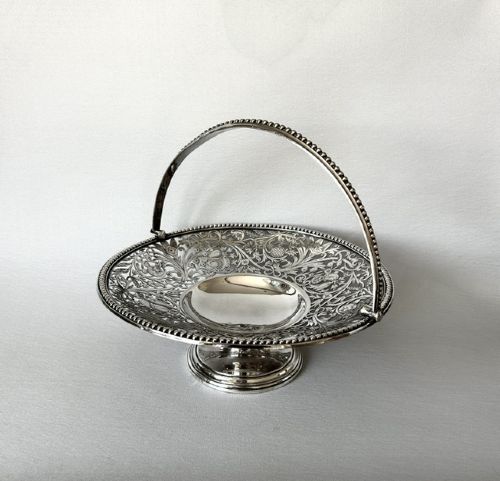
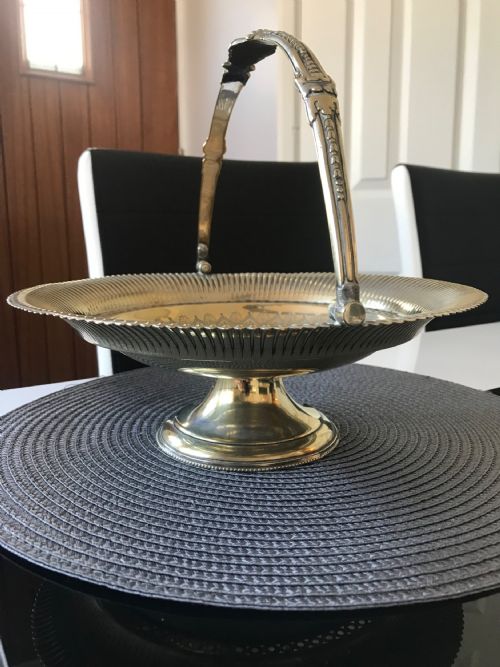
A silver plated fruit basket serves as a formal vessel designed for presenting produce upon the dining table, encompassing forms that double as bread baskets, cake baskets, and serving dishes.
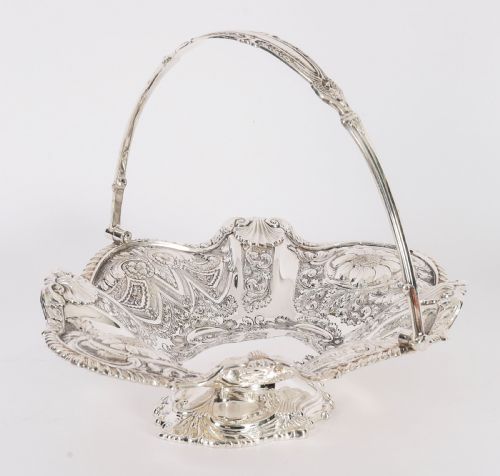
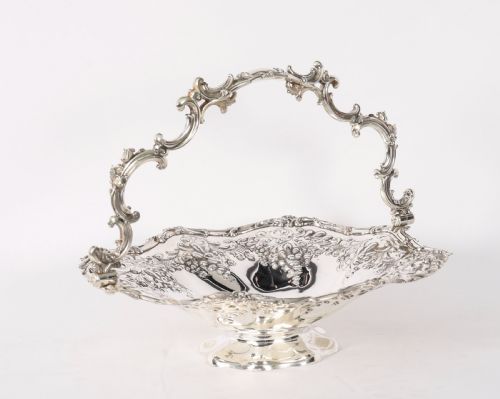
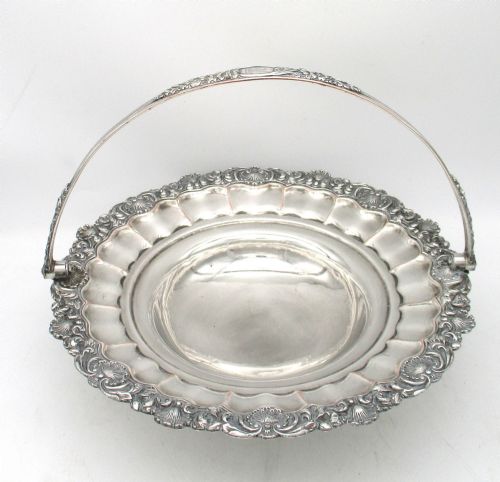
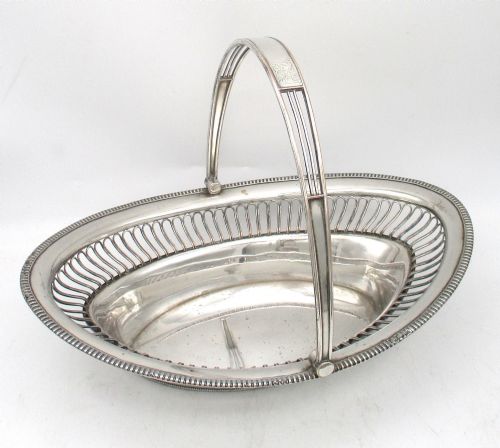
The most common examples encountered here date from the nineteenth century through the Edwardian period, often displaying swing handles and deep bowls.
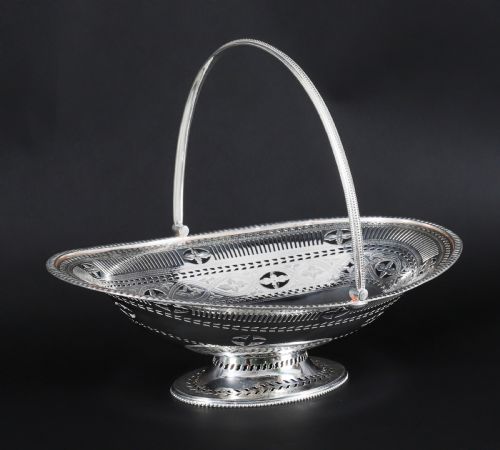
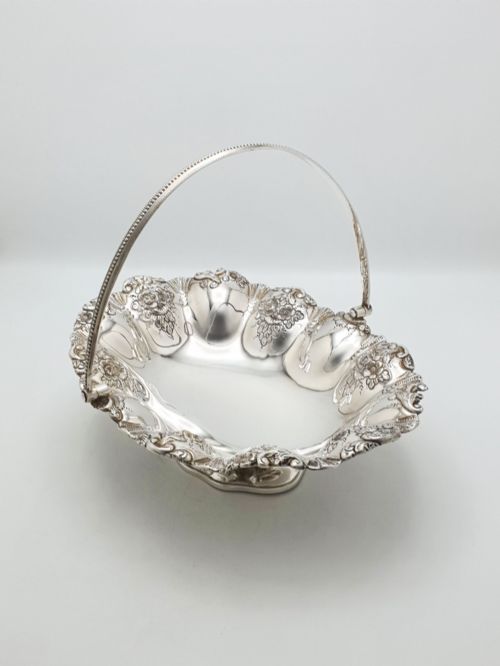
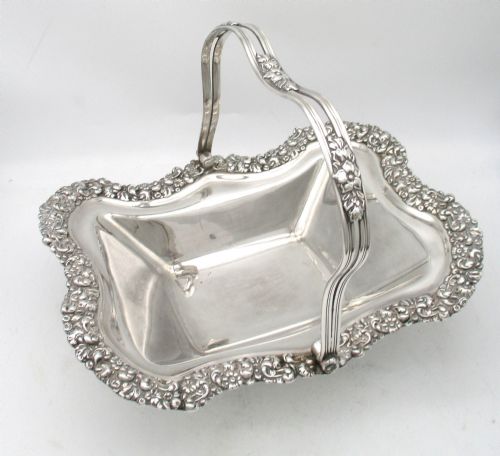
Makers produced these items in styles ranging from exuberant Victorian ornamentation to restrained Neoclassical designs and crisp George V execution.
Materials and construction methods
Craftsmen built these pieces using metal foundations such as brass or nickel silver, applying a durable silver plate over the base material.
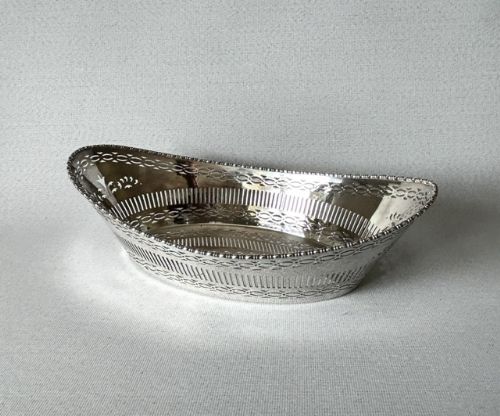
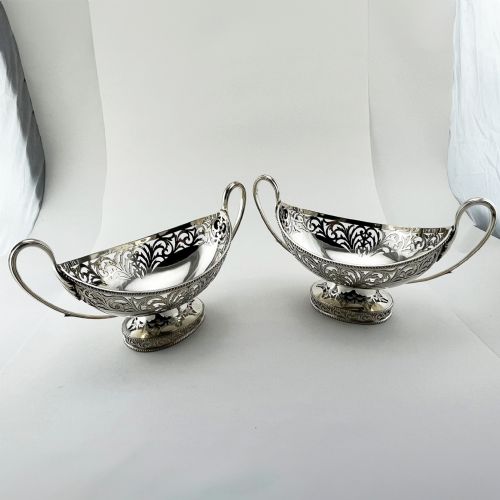
Techniques recorded in the archive include electroplated nickel silver, pierced metalwork, embossed decoration, and woven wire work.
Retail Price Guide 2026
Typical UK retail prices for silver plated fruit basket, calculated from the Sellingantiques database of over a million retail prices indexed since 2003. This retail price guide relies exclusively on Sellingantiques data; no external sources or auction records are used, so the figures do not describe the wider market.
Several examples feature clever folding mechanisms on their swing handles, ensuring they stayed neatly out of the way during particularly vigorous afternoon tea services.
Distinguishing levels of quality
Quality rests upon the crispness of the chased or embossed decoration and the structural integrity of the swing handles and pierced galleries.
Pieces bearing marks from notable makers demonstrate superior plating thickness and more refined casting in the Neoclassical or Victorian styles.
Elkington & Co·Walker & Hall·Mappin & Webb·James Dixon·Martin Hall·Roberts & Belk
The Silver Plated Fruit Basket Glossary
- Silver Plate
- A thin layer of silver bonded to a base metal core such as brass or nickel silver. This technique allowed makers to achieve the appearance of solid silver at a lower cost.
- Electroplated Nickel Silver
- Abbreviated as EPNS, this refers to a strong copper, nickel, and zinc alloy coated with silver through an electrical process. It became the dominant industrial method for silver plating in the nineteenth century.
- Swing Handle
- A movable arched handle attached to the rim of the basket by pivots. This feature allowed the vessel to fit easily onto crowded dining tables and sideboards.
- Pierced Work
- A decorative technique involving the cutting or piercing of patterns through the metal wall of the basket. It lightened the visual weight of the piece and created intricate geometric or floral designs.
- Neoclassical
- A design style drawing inspiration from classical antiquity, featuring symmetrical forms, urn motifs, and restrained ornamentation. It appears frequently on nineteenth-century tablewares.
Frequently Asked Questions
How do I clean a silver plated fruit basket?
Use a soft cloth and a specialised silver cream designed for plated items to remove tarnish gently without damaging the underlying metal.
Avoid harsh scrubbing or abrasive dips, which can wear away the thin silver layer over the base metal.
Can I use these baskets for actual fruit?
These vessels were originally made for dining tables to hold apples, oranges, and soft fruits during formal meals.
Ensure that highly acidic fruits are not left sitting in direct contact with the metal for extended periods to protect the plating.
What is the difference between a fruit basket and a bread basket?
Many nineteenth-century vessels served multiple dining functions, appearing in records as interchangeable fruit bowls, bread baskets, and cake dishes.
Dealers often catalogued identical forms by whichever function suited the current table setting.
How do I date a silver plated basket?
Examine the stylistic clues such as Victorian floral embossing, Edwardian lightness, or Neoclassical symmetry alongside any stamped maker marks.
Archive records show that pieces from this category span from the early nineteenth century through the 1920s.