
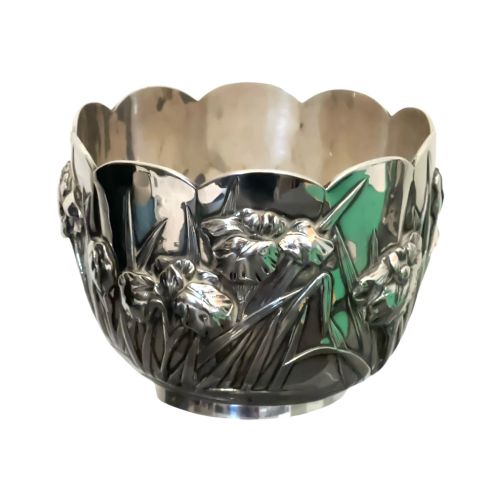
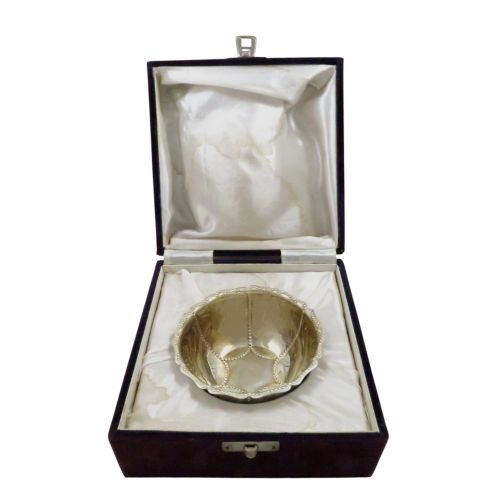
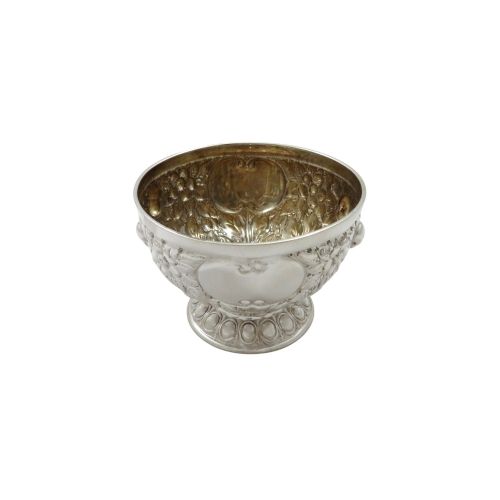
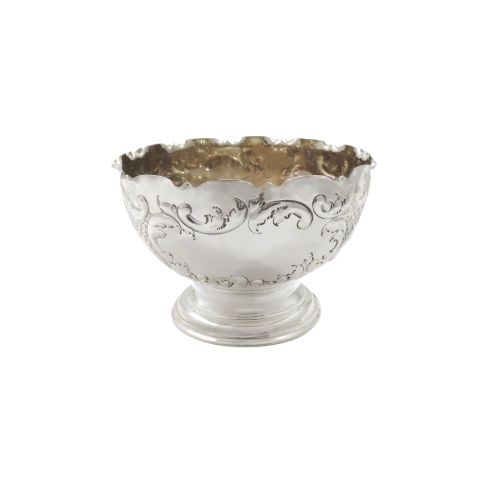
Silver Centerpiece Bowl
These silver centerpiece bowl selections range from Victorian plate to Arts and Crafts chalices, bringing striking focal points to any dining table.
What a silver centerpiece bowl is
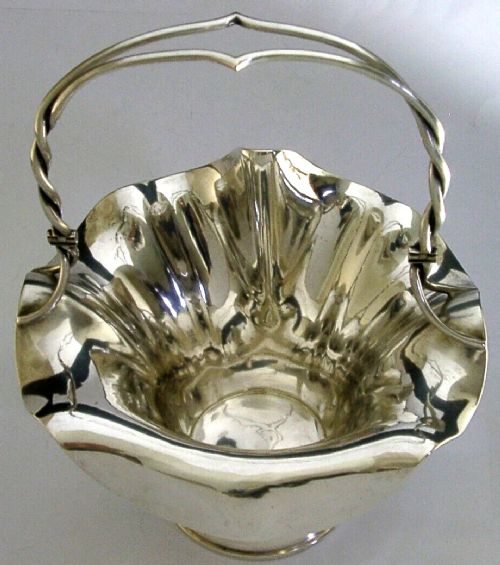
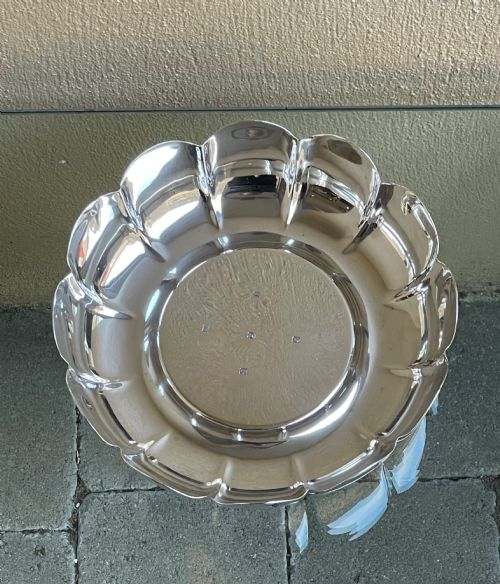
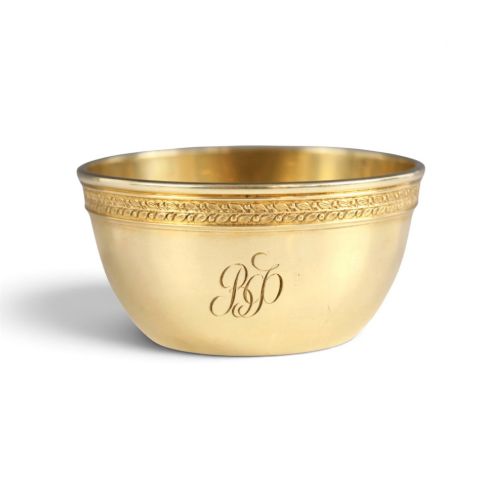
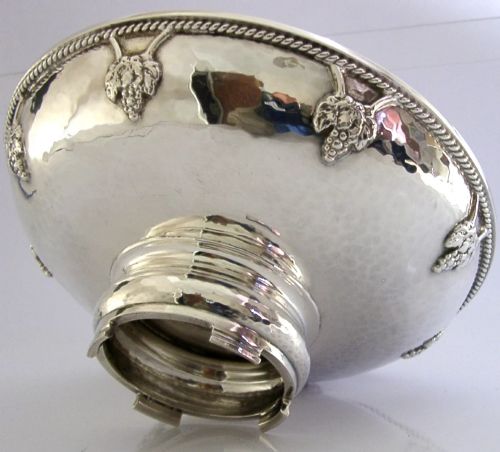
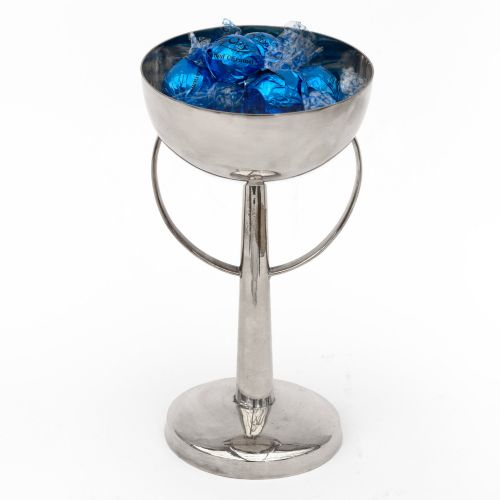
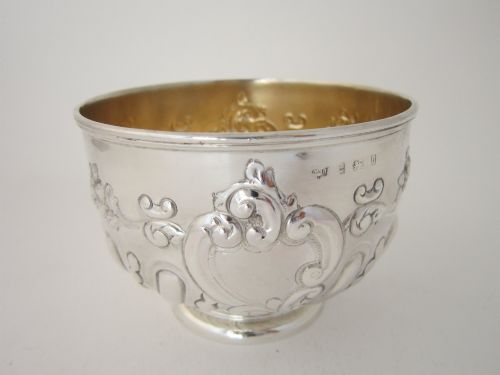
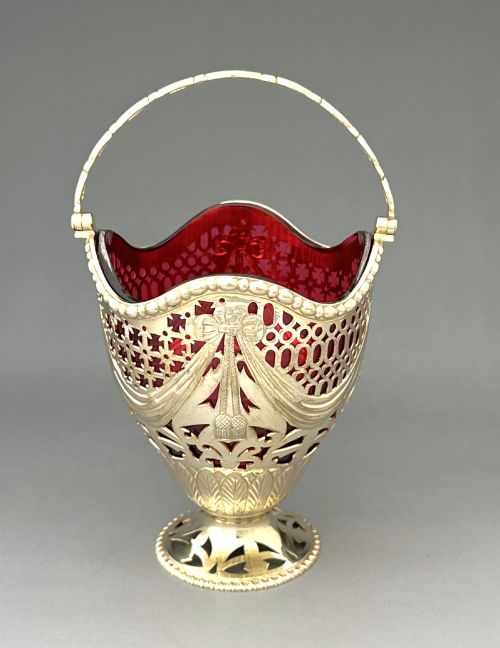
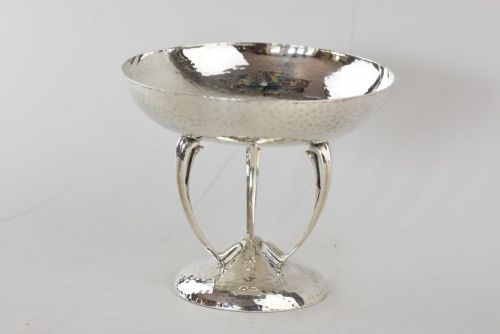
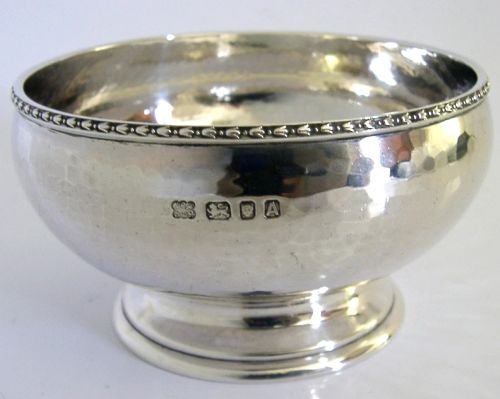
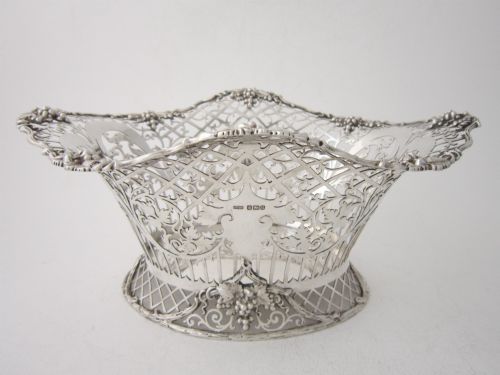
A silver centerpiece bowl serves as a commanding table ornament, historically placed at the middle of formal dining arrangements. The pieces gathered here take various forms, including chalices, soup tureens, fruit baskets, and decorative bowls.
Most examples you meet on this page hail from the nineteenth and early twentieth centuries, spanning Victorian, Arts and Crafts, and Indian Colonial styles. You are particularly likely to encounter large silver plate bowls, solid silver pierced bread baskets, and pedestal chalice cups.
Makers and origins stretch across Britain, Europe, and the wider empire, showing diverse craftsmanship from periods such as the eighteen-eighties and eighteen-nineties. Each object reflects the formal dining tastes of its era, functioning both as utilityware and ornamental display.
How they were made
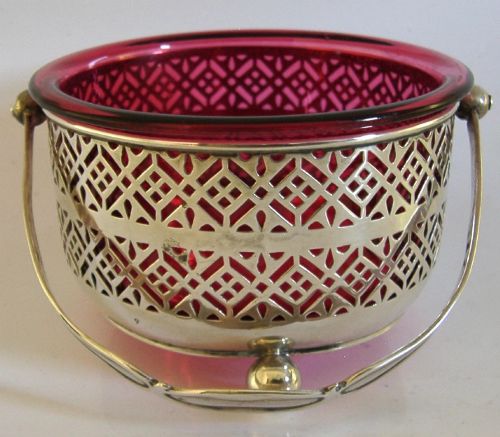
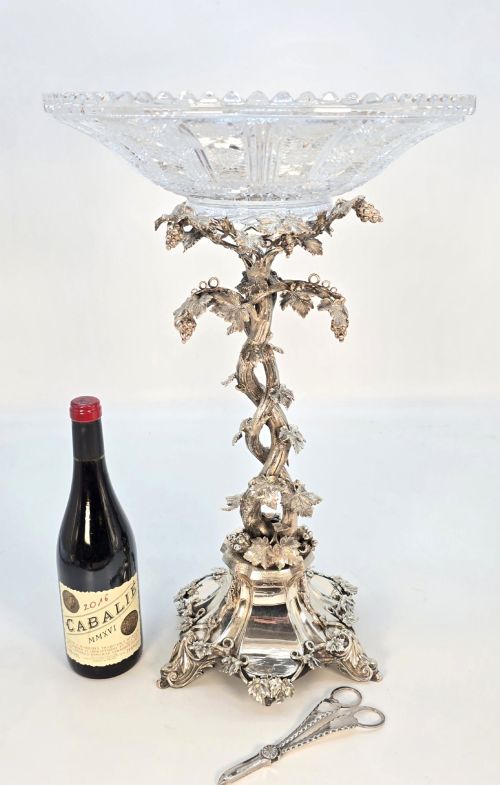
These items utilise sterling silver, solid silver, and silver plate over a base metal foundation, occasionally incorporating elements like red cut glass bowls. Workshops employed techniques such as casting, piercing, and repousse work to shape and decorate the metal.
Skilled silversmiths hammered, raised, and soldered components together, adding chased or pierced details by hand. Makers like Nathan and Hayes or Elkington and Co applied rigorous hallmarking and casting methods to achieve their finished forms.
Retail Price Guide 2026
Typical UK retail prices for silver centerpiece bowl, calculated from the Sellingantiques database of over a million retail prices indexed since 2003. This retail price guide relies exclusively on Sellingantiques data; no external sources or auction records are used, so the figures do not describe the wider market.
Swans occasionally keep watch over the fruit, frozen forever in cast silver plate alongside cut glass.
What varies in quality
Quality in a silver centerpiece bowl rests on the crispness of its repousse work and the depth of its piercing. Superior examples display sharply defined motifs and substantial metal weight rather than thin, pliable walls.
The sophistication of the casting elevates certain pieces, particularly where figural elements like swans or structural pedestals integrate seamlessly with the main bowl. Maker attribution and clear hallmarks also distinguish standard production items from distinguished workshop output.
Nathan and Hayes·Elkington and Co
The Silver Centerpiece Bowl Glossary
- Repousse
- A metalworking technique where the smith hammers the design from the reverse side to raise relief work on the front. This method creates tactile, three-dimensional decorative patterns on bowls and baskets.
- Chalice
- A large cup or goblet on a stem, often used historically for ceremonial or formal display purposes. In this context, chalices function as substantial pedestal bowls.
- Pierced
- A decorative process involving the cutting or piercing of shapes through the metal wall. This technique creates delicate openwork patterns found on bread and fruit baskets.
- Silver Plate
- A manufacturing method where a thin layer of silver is fused or electroplated onto a base metal core. This provided the visual weight of solid silver at a more accessible cost during the nineteenth century.
Frequently Asked Questions
What is a silver centerpiece bowl?
A silver centerpiece bowl is a decorative vessel designed to sit in the middle of a dining table. They were used historically to hold fruit, bread, or flowers during formal meals.
Today, they function primarily as decorative display pieces that anchor a room's aesthetic. Their varied forms include chalices, baskets, and tureens.
How do I identify a Victorian piece?
Victorian pieces often display specific revival styles like Neo-Rococo or elaborate floral ornamentation. Examining the manufacturing technique and any present hallmarks helps confirm the period.
Many pieces from this era utilise silver plate or solid silver with heavy casting. Stylistic cues align with the broader design movements of the nineteenth century.
How were these bowls used historically?
These vessels held provisions for dining guests, such as fresh fruit, bread, or soup. They stood prominently in the middle of tables to demonstrate the host's hospitality and status.
Over time, their role shifted toward purely ornamental display as dining customs evolved. Their substantial size made them natural focal points for large reception rooms.
How do I care for silver bowls?
Regular, gentle dusting and occasional careful cleaning with appropriate silver polish maintain the metal's finish. Avoiding harsh abrasives preserves the delicate repousse and pierced details.
Storing pieces in stable environments away from excessive moisture prevents tarnishing. Proper handling ensures the longevity of both solid silver and silver-plated surfaces.