



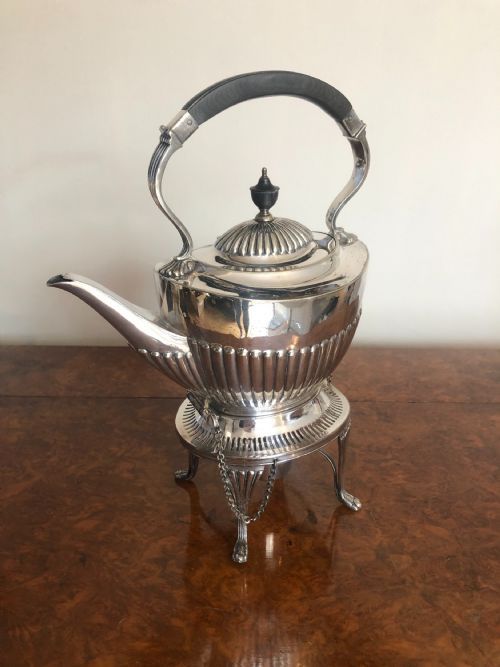


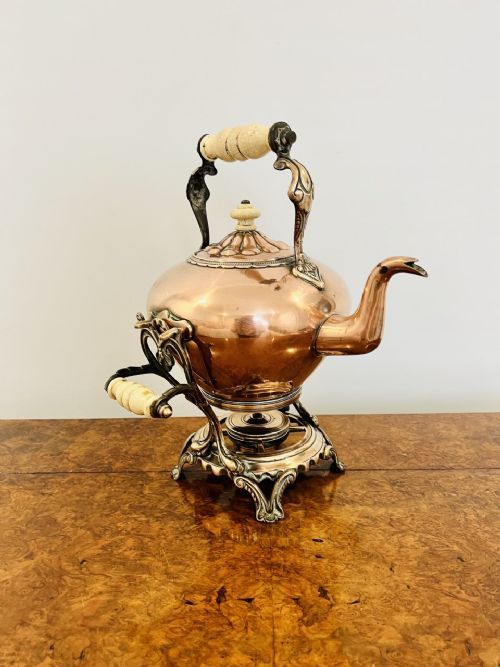


Silver Teapot Stand
A silver teapot stand protects a polished surface from heat and scale while elevating the service with proper weight and gleam.
Silver Teapot Stand
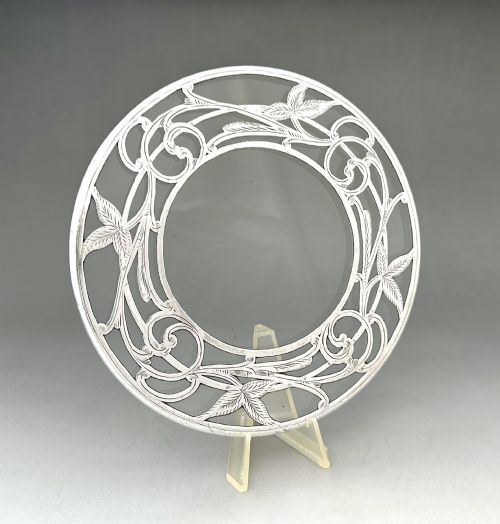
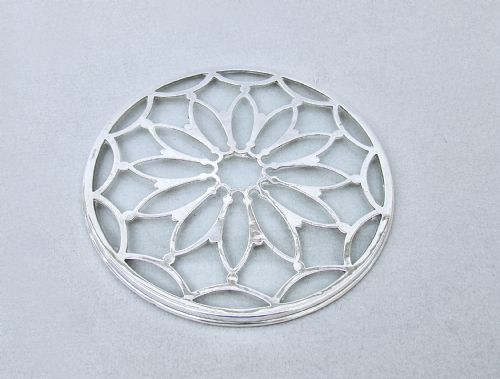
A silver teapot stand appears most frequently as a combination of sterling silver mounts and glass bases, often termed a trivet in later twentieth-century making. These pieces protect the table while framing the teapot itself in bright metal.
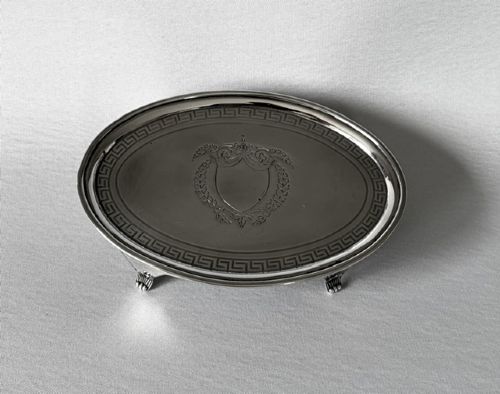
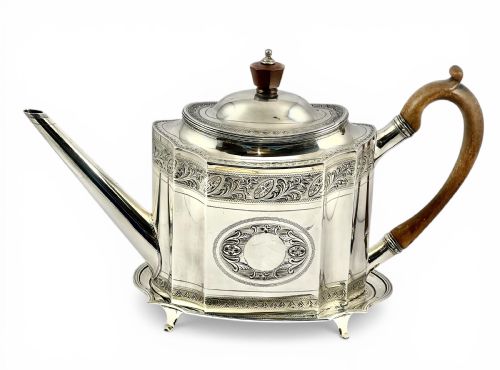
Earlier examples from the Georgian period rely entirely on solid silver, often raised on delicate feet and shaped in oval or octagonal outlines with bright-cut engraving.
The twentieth century brings significant numbers of glass and silver mounted variations spanning Edwardian, Art Nouveau, and Art Deco design vocabularies alongside royal commemoratives.
Materials and construction
Makers combine sterling silver mounts with thick moulded or pressed glass bases, securing the metal edge directly to the glass rim. Solid silver pieces utilise traditional silversmithing techniques such as piercing, casting, and hand engraving.
Makers mark these objects with standard hallmarks indicating assay offices including Birmingham, Chester, and London alongside individual maker's marks.
Silver Teapot Stand Retail Price Guide 2026
Typical asking prices for silver teapot stand among the pieces listed under this phrase on Sellingantiques today, from the lower quarter to the upper quarter. They describe what is for sale here now, not the wider market.
Listings feature sterling silver, glass, and wood across Georgian, Edwardian, and Neoclassical styles.
Design and weight
Superior examples separate themselves through heavier gauge sterling silver mounts and crisper detailing in hallmarks, piercing, and bright-cut engraving. The clarity and thickness of the glass base also dictate the substantial feel of the piece.
Pieces bearing the stamps of prominent makers or special commemorative designs show greater nuance in execution than standard domestic wares.
Harrods Ltd·Robert Hennell I·James Mince·Alice And George Burrows·Mappin And Webb·The Adie Brothers·Walker And Hall
The Silver Teapot Stand Glossary
- Bright-cut engraving
- A surface decoration technique using faceted cuts to reflect light from shallow angled channels.
- Sterling silver
- An alloy consisting of ninety-two point five percent silver by mass and seven point five percent other metals, usually copper.
- Trivet
- A small support object placed under a hot vessel to protect furniture surfaces.
- Hallmark
- An official stamp applied by an assay office to indicate the purity of precious metal and the year of manufacture.
Silver Teapot Stand: Frequently Asked Questions
What is a silver teapot stand used for?
These stands serve to keep hot teapots away from polished wooden tabletops during service. They prevent heat marks and condensation rings while adding a decorative element to the tea table.
Many styles double as general coasters for hot serving vessels or kettles. Their raised rims keep the pot secure when moving around the room.
How do I tell Georgian stands apart from later pieces?
Georgian stands are typically made entirely of solid sterling silver rather than combining silver mounts with a glass base. They frequently feature delicate feet and hand-engraved bright-cut decoration characteristic of the late eighteenth and early nineteenth centuries.
Later Edwardian and Art Deco versions lean heavily towards glass bases rimmed in silver. These twentieth-century pieces often carry clear date letters and assay office marks from Birmingham or London.
Are glass and silver stands durable enough for daily use?
The thick glass inserts used in these stands are designed to bear the weight of a filled teapot safely. Their robust construction handles routine dining table placement without issue.
Silver mounts require occasional gentle polishing to maintain their brightness. The combination of glass and metal cleans easily with standard non-abrasive care.
What do the hallmarks on the silver tell me?
Hallmarks provide concrete details regarding the town where the piece was tested, the purity of the metal, and the exact year of manufacture. Standard leopard head, anchor, or crown symbols point directly to specific assay offices.
Maker's marks identify the individual silversmith or firm responsible for production. These stamps offer a direct link to historical workshops active in Britain.