

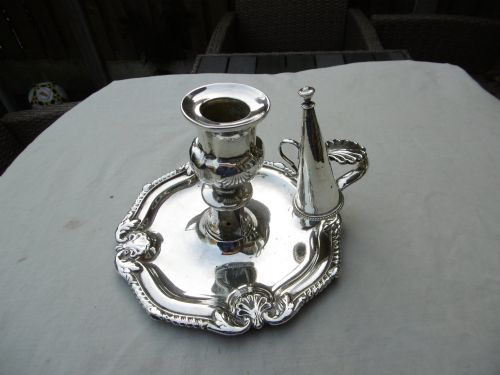


George III Silver Tray
George iii silver tray pieces are Georgian sterling silver and Old Sheffield plated items prized for their period domestic utility and classic form.
George III Silver Tray
A george iii silver tray encompasses a variety of small domestic vessels from the Georgian period designed for serving tea, holding snuffer sets, or presenting cards. The forms seen most frequently on this page are teapot stands, small salvers, waiters, and card trays.
Most examples originate from London workshops of the eighteenth and early nineteenth centuries, though Irish silver counter trays also appear. These pieces reflect the formal hospitality customs of the Georgian era, serving functional roles in domestic routines.
Materials and construction methods
The materials recorded in these listings are sterling silver and Old Sheffield silver plate. Silversmiths shaped these metals by hand, often incorporating cast borders, engraved crests, and beaded edges.
Makers utilised traditional techniques such as raising from a flat sheet and applying cast decorative mounts. Plated examples combine a copper base fused with a thin layer of silver using the Old Sheffield method.
George III Silver Tray Retail Price Guide 2026
Typical asking prices for george iii silver tray among the pieces listed under this phrase on Sellingantiques today, from the lower quarter to the upper quarter. They describe what is for sale here now, not the wider market.
Some trays carry stag crests, reminding us that Georgian sideboards once hosted heraldry as grand as any castle gate.
Factors that distinguish quality
Quality in a george iii silver tray rests on the crispness of the chasing, the weight of the metal, and the integrity of any engraved crests or heraldry. Superior pieces exhibit balanced proportions and well-defined borders.
Maker marks and clear assay stamps provide distinction, as does the survival of original surface patination. Plated items vary according to how well the silver layer has endured over the underlying copper core.
John Crouch I & Thomas Hannam·Gustavus Byrne·Richard Rugg·Elizabeth Cooke·Magdalen Feline·Smith & Sharp
The George III Silver Tray Glossary
- Waiter
- A small small tray or salver, typically standing on feet, used for serving glasses or cups.
- Salver
- A flat tray of silver or other metal used for handing round refreshments or presenting letters.
- Old Sheffield Plate
- An early form of plated metal produced by fusing a layer of silver to a copper ingot.
- Sterling Silver
- An alloy of silver containing ninety-two point five percent by mass of silver and seven point five percent of other metals.
- Snuffer Tray
- A shallow tray designed specifically to hold candle snuffers and catch stray wax.
George III Silver Tray: Frequently Asked Questions
What were george iii silver tray pieces used for?
These trays served multiple domestic purposes during the Georgian era, including carrying teapots, presenting visiting cards, and holding candle snuffers.
Smaller versions known as waiters or counter trays moved small items around the home, while larger salvers presented food and drink to guests.
How do I care for a george iii silver tray?
Maintenance requires gentle cleaning with non-abrasive silver polish and a soft cloth to protect the antique surface and any engraved details.
Plated items need particular care to avoid wearing through the thin silver layer down to the underlying copper base.
How can I tell sterling silver from Old Sheffield plate?
Sterling silver pieces bear hallmarks indicating the assay office, standard, and date letter. Old Sheffield plate often reveals traces of a copper core visible along edges or wear spots.
The manufacturing method for plated items creates a distinctive construction unlike solid silver.
What period do these trays come from?
The items date from the reign of George III, spanning the later eighteenth century and the early decades of the nineteenth century.
Design details and hallmarks help narrow the specific decade of production within this broad Georgian timeframe.