



Antique Teapot and Stand
An antique teapot and stand brings together two pieces made to serve hot tea while protecting the surface beneath.
Antique Teapot and Stand
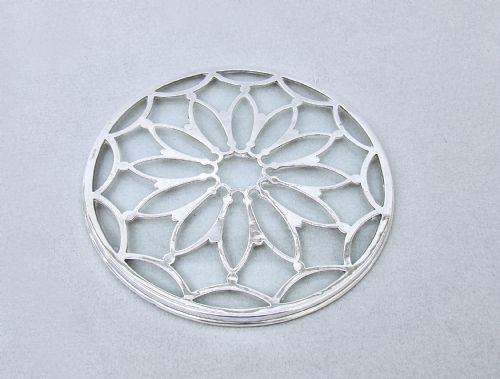
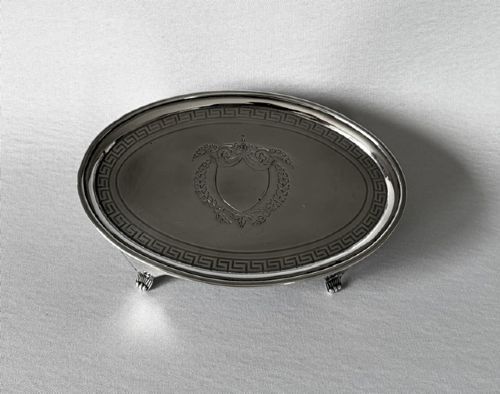
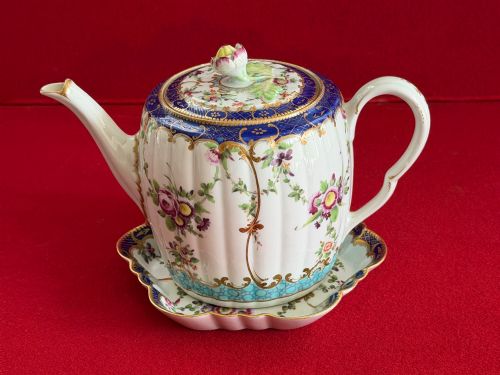
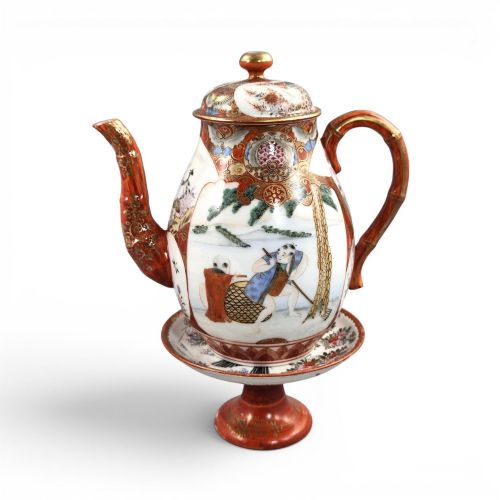
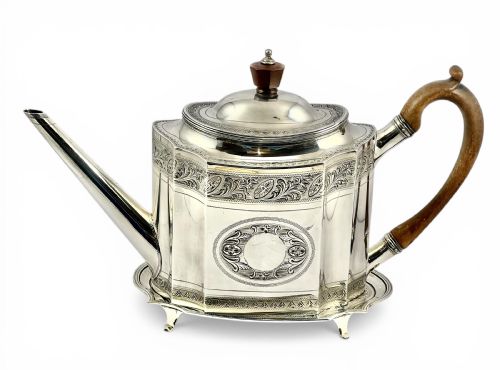
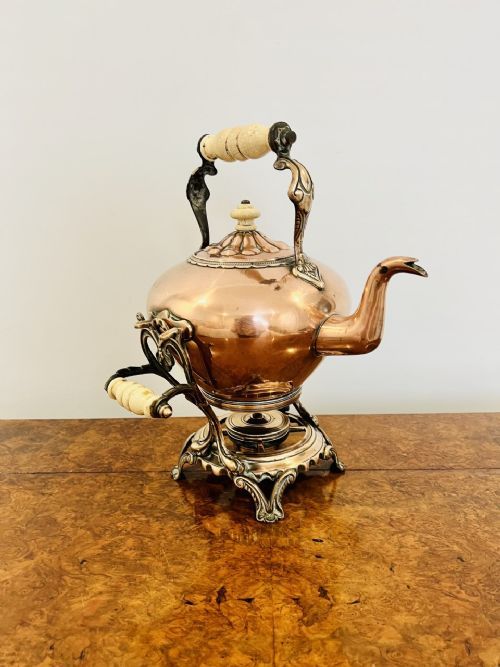
An antique teapot and stand combines a vessel for brewing tea with a matching base or trivet, designed to prevent heat damage to wooden furniture. These sets appear in forms ranging from standalone porcelain or silver stands paired with teapots to larger spirit kettles mounted on dedicated metal frames.
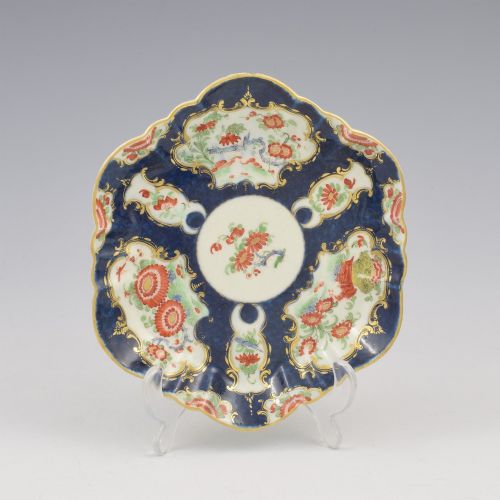
The pieces on this page span the Georgian, Victorian and Edwardian eras, alongside later twentieth century examples and Japanese Meiji period work. The most common survivals feature sterling silver, silver plate, or porcelain such as First Period Worcester, often executed in styles from Neoclassical to Georgian Rococo.
How they were made
Makers shaped these sets using metals like sterling silver, Old Sheffield Plate, copper, brass, and silver plate, alongside porcelain bodies moulded or thrown on the wheel. Metal stands and kettles involve soldering, casting, and piercing, while porcelain pieces rely on hand-painted overglaze or underglaze decoration.
Silver components often carry hallmarks indicating the maker and year of production, while ceramic examples utilise cobalt blue scale patterns, gilding, and enamel work applied before a final kiln firing.
Materials represented across these items include gold leaf, enamel, porcelain, wood, brass, copper, and sterling silver.
What varies in quality
The distinction between standard utility items and finer pieces lies in the crispness of the chasing, the weight of the metal, and the delicacy of the ceramic body. Early porcelain stands show precision in their hand-painted motifs, while silver examples demonstrate the skill of the silversmith through balanced proportions and sturdy feet.
The integrity of the construction, such as the secure fitting of mounts to glass or the precision of joints on a spirit kettle frame, separates mass-produced items from workshop pieces created by noted makers.
Harrods Ltd·Robert Hennell I·William Soutter And Sons·Hester Bateman
The Antique Teapot and Stand Glossary
- Spirit kettle
- A water kettle mounted on a metal stand equipped with a small burner underneath to keep the water hot. These often date from the Victorian and Edwardian periods.
- Old Sheffield Plate
- A material made by fusing a thin sheet of silver to a thicker copper base before rolling them into sheets. This technique predates modern electroplating.
- Trivet
- A small metal or ceramic stand used to elevate a hot teapot or kettle above a table surface. They frequently feature three or four legs.
- First Period Worcester
- An eighteenth-century English porcelain factory known for fine paste bodies and distinctive blue and white or coloured transfer-printed and painted designs.
- Hallmark
- A series of stamped marks on precious metals indicating the standard of purity, the assay office, the maker, and the year of manufacture.
Antique Teapot and Stand: Frequently Asked Questions
What is the stand for?
The stand serves to protect polished wood tabletops from the heat of a freshly brewed teapot or spirit kettle.
Many Georgian and Victorian dining tables relied on these ceramic or metal bases to prevent scorching during tea service.
How do I date a silver teapot stand?
Silver stands usually carry hallmarks that include a date letter, a lion passant for sterling standard, and a maker mark.
Matching these stamps against assay records reveals the exact year and city of manufacture.
Can I use an antique spirit kettle?
Spirit kettles were designed to hold boiling water heated by a small under-burner filled with methylated spirit.
While some buyers still use them, many prefer to display them as decorative metalwork due to their age and delicate construction.
What is Old Sheffield Plate?
Old Sheffield Plate is an early composite material created by fusing silver and copper together under heat.
Pieces made this way often show a thin line of copper where the edge is exposed through wear.
How do I care for silver plated stands?
Silver plated and sterling items require gentle cleaning with a soft cloth and a reputable silver polish to maintain their finish.
Avoiding harsh abrasives preserves the thin layer of plating over the underlying base metal.