


Georgian Silver Stand
A georgian silver stand brings refined utility to the table, holding teapots, bottles, or cruets with understated elegance.
Georgian Silver Stand
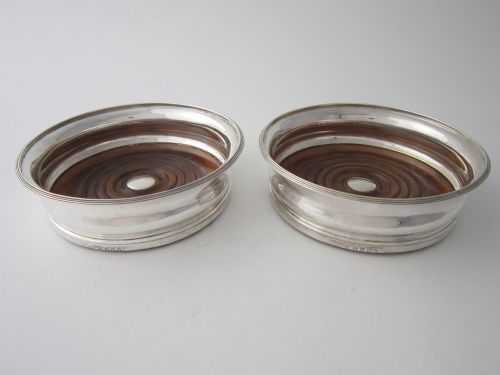
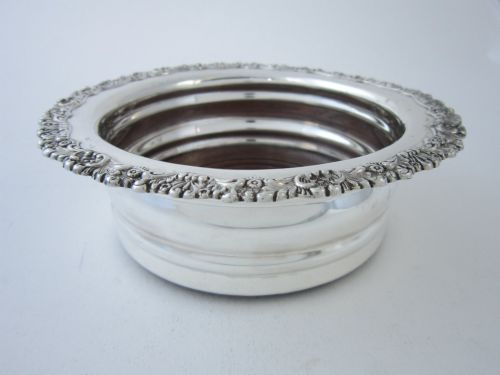
When searching for a georgian silver stand, buyers encounter a diverse selection of small trays, coasters, and frames originally designed to protect tabletops from hot vessels or moisture. The selection spans dedicated teapot stands, wine coasters, and multi-bottle cruet frames.
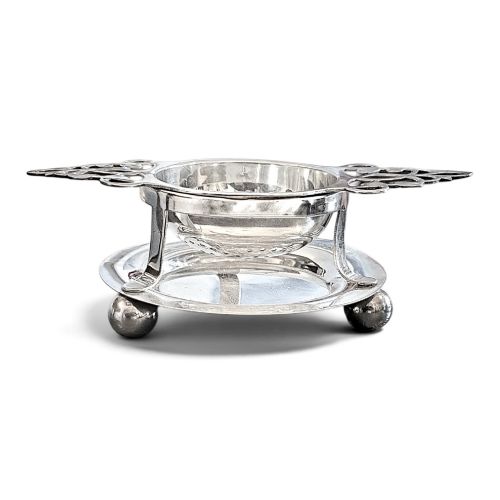
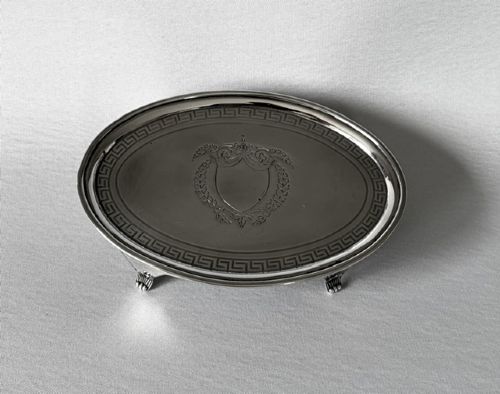
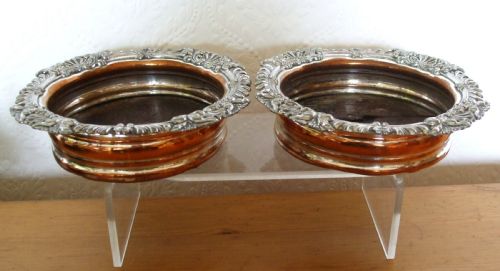
The most common examples on this page are compact sterling silver or Old Sheffield Plate trays intended for teapots or wine bottles. These functional pieces range from simple geometric shapes to elaborately pierced and bright-cut designs from the late eighteenth and early nineteenth centuries.
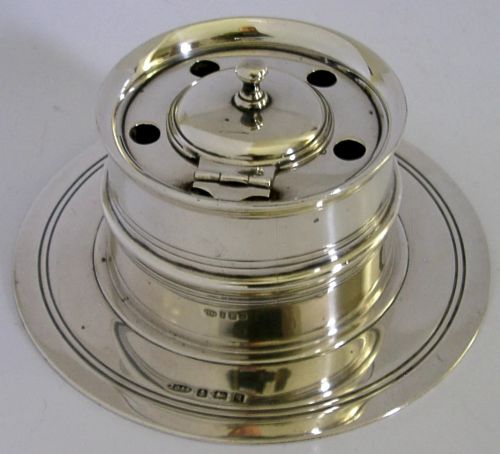
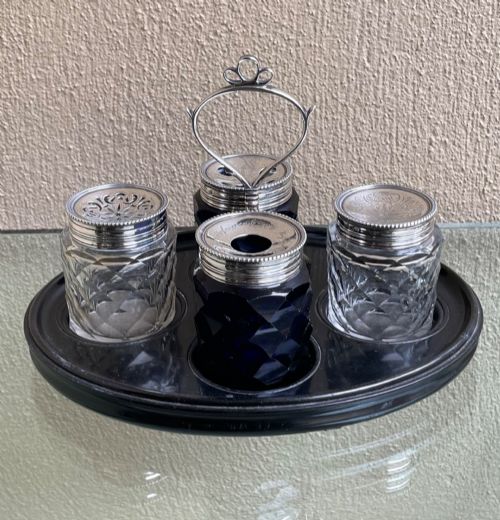
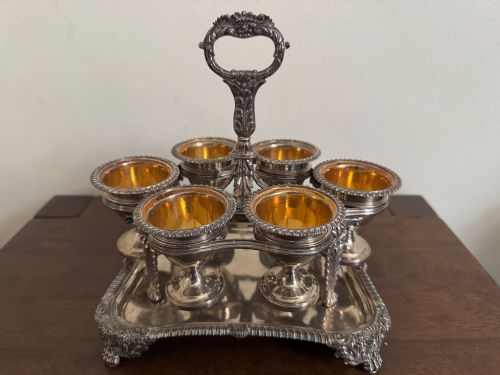
Beyond standalone trays, the category encompasses complex cruet sets with fitted glass bottles and inkstands featuring inkwells and pen troughs. Later revival pieces from the twentieth century frequently emulate these classic George III forms.
How they were made
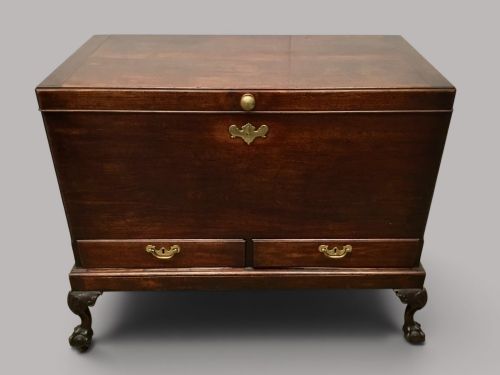
Makers utilised sterling silver and fused Old Sheffield Plate, combining precious metal with copper bases through heating and rolling techniques. Wood, particularly mahogany and ebony, frequently provided stable framing or bases for bottle coasters and inkstands.
Craftsmen shaped the silver through hammering, piercing, and engraving, often adding cast borders and bracket feet. Cut glass bottles and inserts were precision-ground to fit snugly within silver and plated frameworks.
Georgian Silver Stand Retail Price Guide 2026
Typical asking prices for georgian silver stand among the pieces listed under this phrase on Sellingantiques today, from the lower quarter to the upper quarter. They describe what is for sale here now, not the wider market.
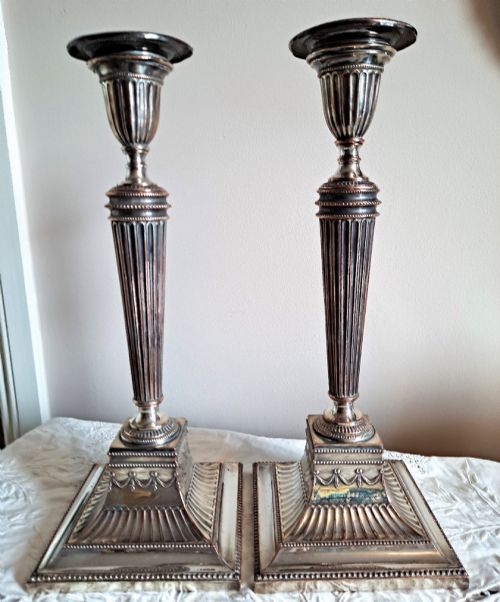
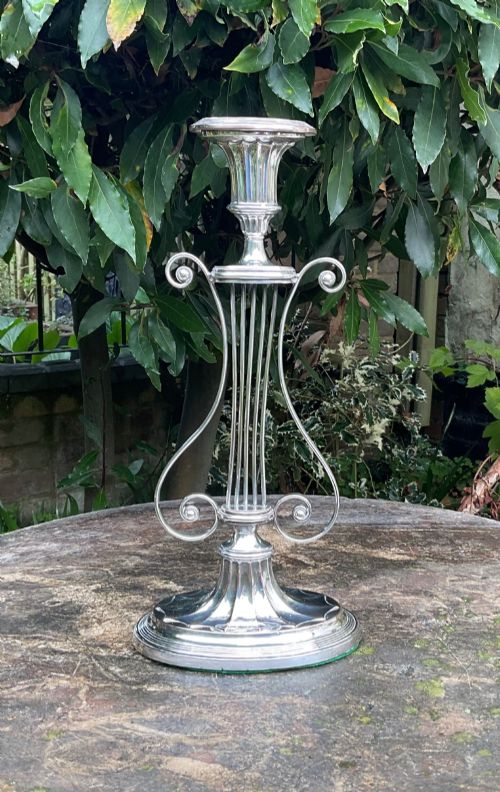
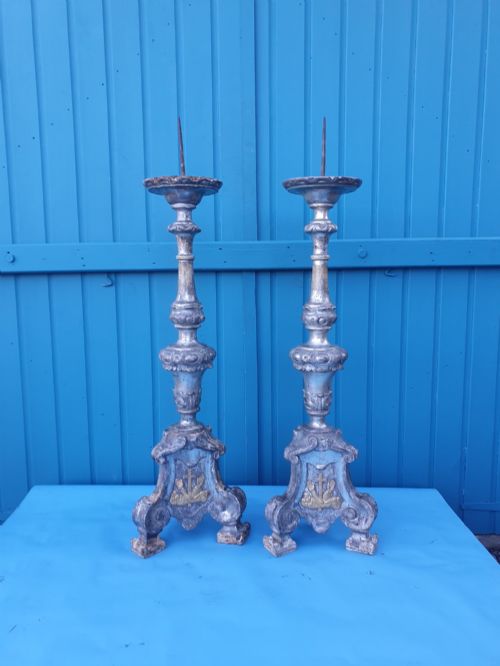
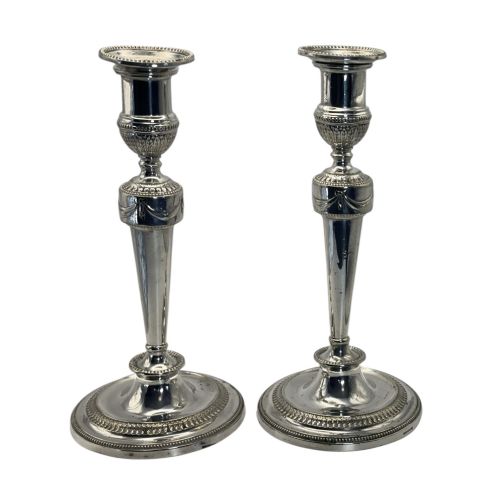
Common forms on this page include teapot stands, wine coasters, cruet sets, candlesticks, and inkstands.
What varies in quality
The distinction between ordinary and exceptional pieces lies in the crispness of the piercing, the depth of the hand-engraved bright-cut decoration, and the integrity of the original hallmarks. Superior examples retain substantial weight and balanced proportions without excessive thinning from polishing over centuries.
In Old Sheffield Plate items, quality depends on the minimal visibility of copper bleed along edges and the preservation of the original silver sheet layer. Maker attribution to notable silversmiths also elevates the standing of individual pieces within the market.
Mappin & Webb·William Burwash·Robert Hennell I·Charles Thomas Fox·Peter and Anne Bateman·James Tregent·Walker & Hall·Hester Bateman·Hawksworth Eyre and Co·Henry Chawner·John Emes
The Georgian Silver Stand Glossary
- Old Sheffield Plate
- An early composite material made by fusing a thin sheet of sterling silver to a thicker copper core. This technique predates modern electroplating and leaves a characteristic copper seam along cut edges.
- Bright-cut engraving
- A surface decoration technique utilising faceted angled cuts to create sparkling geometric patterns. It was exceptionally popular during the late Georgian period.
- Cruet set
- A matched collection of glass bottles or casters mounted in a dedicated metal frame for holding condiments, oil, or vinegar at the dining table.
- Wine coaster
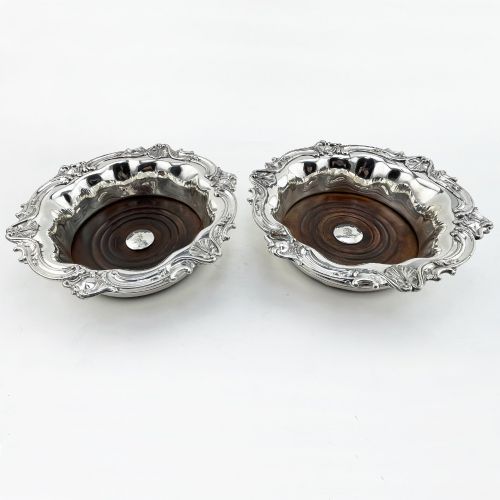
- A small circular tray, often featuring a wooden base and a silver or plated gallery, designed to slide smoothly across a mahogany dining table.
- Standish
- An elaborate portable desk accessory or inkstand incorporating inkwells, sanders, and pen holders within a single structured tray.
Georgian Silver Stand: Frequently Asked Questions
What was a georgian silver stand used for?
These stands served practical roles in the dining room and parlour, protecting polished wood surfaces from heat, spills, and condensation. Teapot stands elevated hot ceramic vessels, while bottle coasters allowed wine to be passed smoothly around the table.
Multi-bottle frames kept condiments or writing implements organised and portable. Their presence reflected the formal etiquette and hospitality of the period.
How can I tell genuine Georgian silver from later copies?
Authentic pieces carry clear hallmarks indicating the city of assay, the date letter, and the maker's mark stamped directly into the metal. The style of engraving and manufacturing techniques, such as hand-piercing rather than modern stamping, offer further confirmation of age.
Revival pieces from later centuries often bear twentieth-century date marks or distinct maker stamps that reveal their true production era.
How do I care for Old Sheffield Plate?
Old Sheffield Plate requires gentle cleaning with non-abrasive silver foams and soft cloths to avoid wearing through the thin silver layer to the copper beneath. Regular maintenance preserves the soft, warm lustre characteristic of fused plate.
Store these pieces in dry, stable environments away from direct sunlight and dampness to prevent tarnishing and base metal corrosion.
What is the difference between sterling silver and silver plate?
Sterling silver is a solid precious metal alloy containing a fixed proportion of pure silver and other metals for durability. Silver plate consists of a base metal coated with a microscopic layer of silver.
Old Sheffield Plate represents an early, heavier fusion method where silver is mechanically bonded to copper rather than electrically deposited.