



18th Century Silver Tray
These pieces range from solid sterling salvers to timber tables built to hold them, carrying the weight of Georgian dining and display.
18th Century Silver Tray
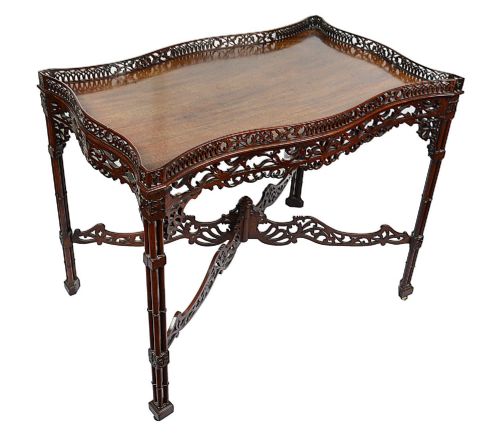
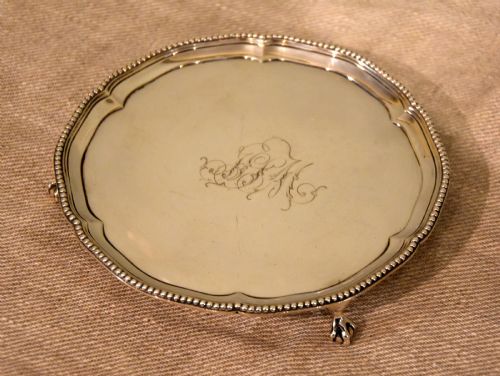
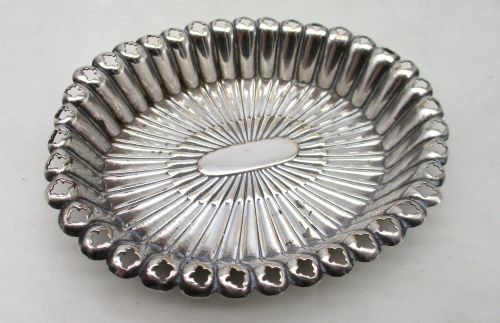
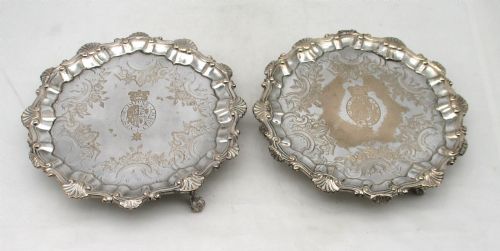
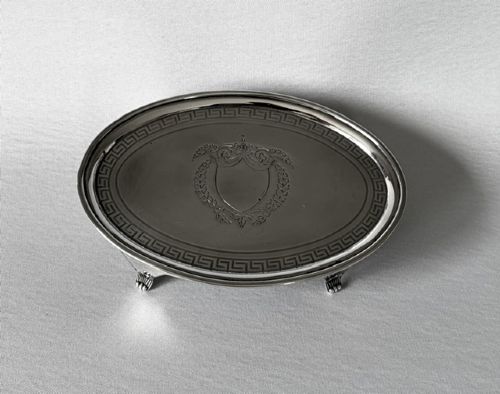
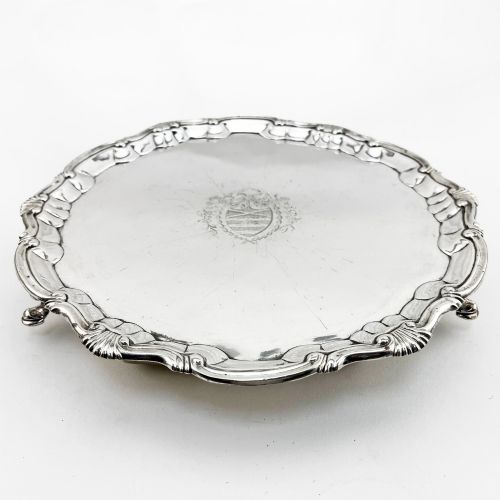
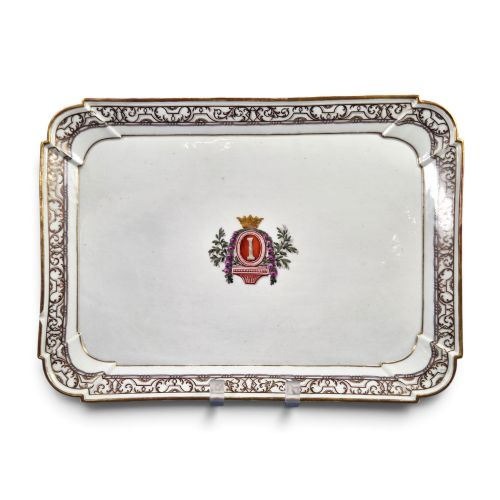
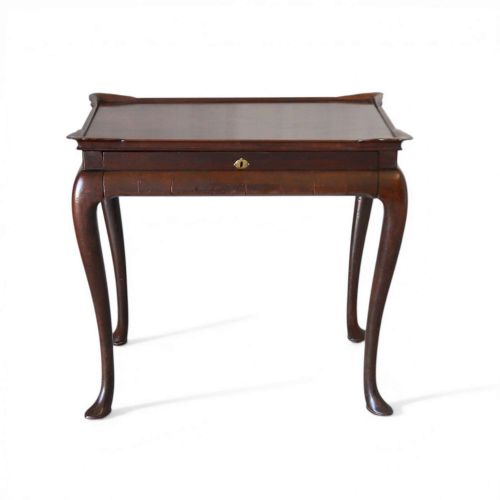
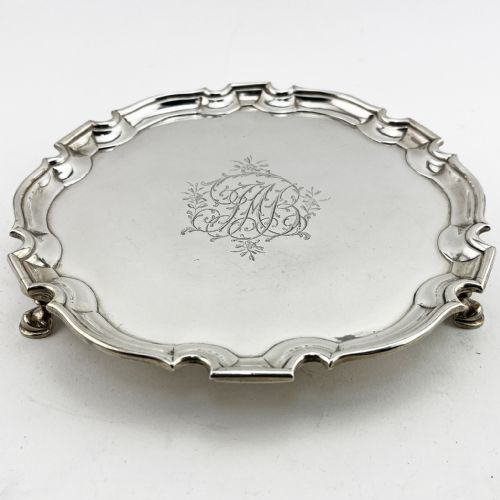
An 18th century silver tray encompasses both portable serving vessels and the dedicated tables designed to support them. You will find small card trays, circular salvers, and large presentation platters sitting alongside mahogany serving tables.
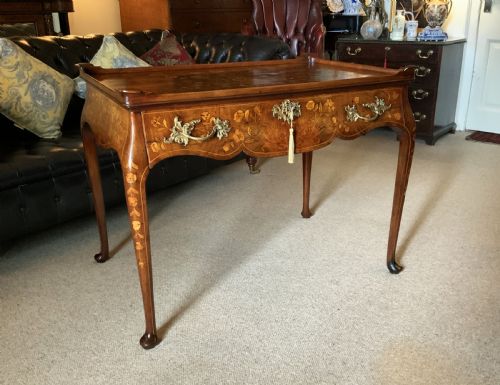
The portable vessels appear in sterling silver and Old Sheffield plate, often bearing the marks of London or provincial makers. Meanwhile, the tables take the form of tray-top mahogany stands and Dutch marquetry pieces from the Georgian era.
How they were made
Silversmiths hammered and cast sterling silver and pewter into salvers and dishes, employing techniques like engraving and chasing to decorate the borders. Old Sheffield plate fused a thin layer of silver onto a copper base, creating durable vessels with distinct metallic warmth.
Cabinetmakers worked primarily in figured mahogany and walnut, constructing silver tables with raised edges, cabriole legs, and intricate marquetry inlay depicting birds and flowers.
18th Century Silver Tray Retail Price Guide 2026
Typical asking prices for 18th century silver tray among the pieces listed under this phrase on Sellingantiques today, from the lower quarter to the upper quarter. They describe what is for sale here now, not the wider market.
What varies in quality
The calibre of an 18th century silver tray rests upon the crispness of its chasing, the weight of the metal, and the legibility of the hallmarks. Tables separate themselves by the depth of timber carving, the figure of the mahogany, and the integrity of the tray top structure.
Robert Abercromby·Peter and Anne Bateman·Robert Breading·George Cooper·William Garrard
The 18th Century Silver Tray Glossary
- Salver
- A flat plate or tray, typically made of silver and raised on feet, used for serving drinks or presenting cards.
- Old Sheffield Plate
- A composite material formed by fusing a sheet of silver to a copper ingot, developed in the eighteenth century before electroplating.
- Paten
- A small plate or dish used in ecclesiastical settings or as a secular serving vessel, often found in early silver collections.
- Marquetry
- Decorative veneer applied to furniture in geometrical patterns or pictorial scenes using various coloured woods.
18th Century Silver Tray: Frequently Asked Questions
What is an 18th century silver tray used for?
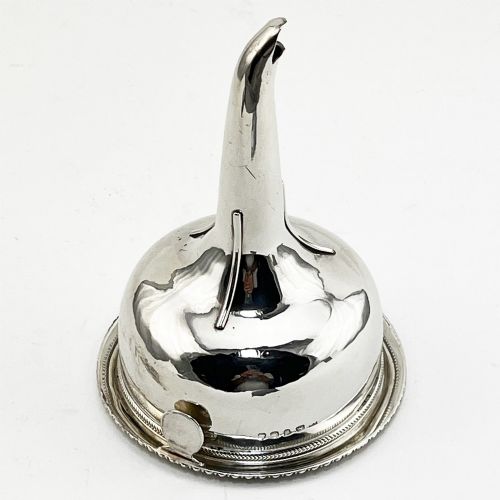
These pieces served practical functions in elite households, from carrying wine funnels and tea services to presenting visiting cards on hall tables. Salvers held glassware and decanters, while wooden silver tables provided a stable surface for portable tea trays.
Over time, many of these vessels transitioned into decorative display items, valued for their craftsmanship and historical association with Georgian interior entertaining.
How do I identify Old Sheffield plate?
Old Sheffield plate displays a subtle copper seam along the edges where the fused silver layer meets the underlying base metal. The weight feels lighter than solid silver yet substantial compared to later electroplated wares.
Examination under magnification often reveals the faint pinkish hue of copper showing through areas of wear on high-friction points.
How do I read hallmarks on Georgian silver?
English provincial and London hallmarks typically include a maker's mark, a standard mark indicating sterling purity, a town mark, and an annual date letter. These stamps provide a verifiable record of the assay office and the exact year of production.
Unmarked pieces or foreign imports, such as Dutch marquetry items, rely on stylistic attribution and historical context rather than official stamps.