


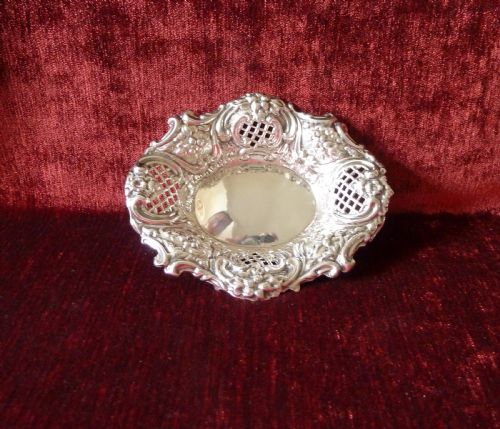


Hallmarked Silver Tray
These hallmarked silver tray pieces offer solid silver construction and official assay office marks, providing a reliable standard for collectors of antique tableware.
What these pieces are
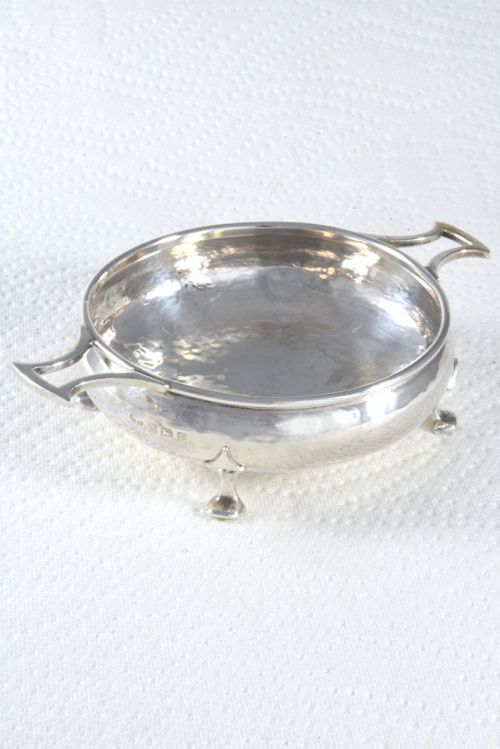
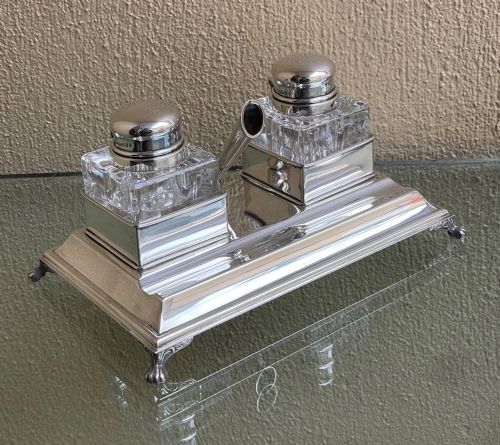
When you search for a hallmarked silver tray, you encounter a variety of forms designed for domestic use, ranging from small snuffer's trays and card trays to large serving trays with handles. These domestic items served specific social functions in historical households, such as holding visiting cards or carrying snuffers for candles.
The pieces listed on this page originate primarily from the George III, Victorian, and later periods, capturing over a century of silversmithing tradition. You are most likely to meet Victorian card trays alongside Georgian examples, reflecting the enduring popularity of solid silver in British homes.
How they were made
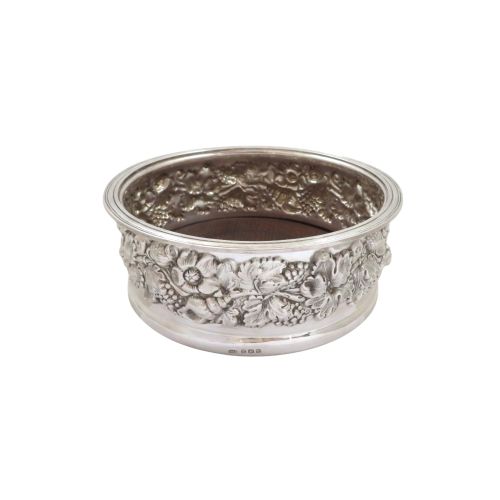
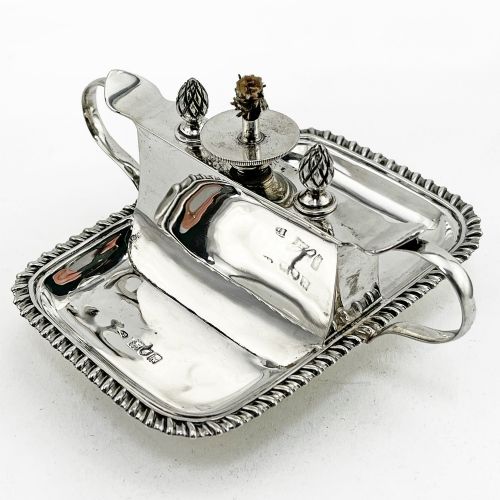
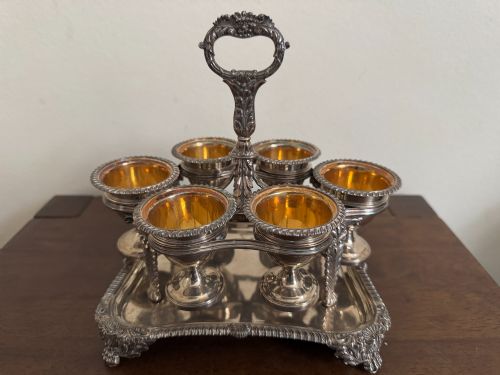
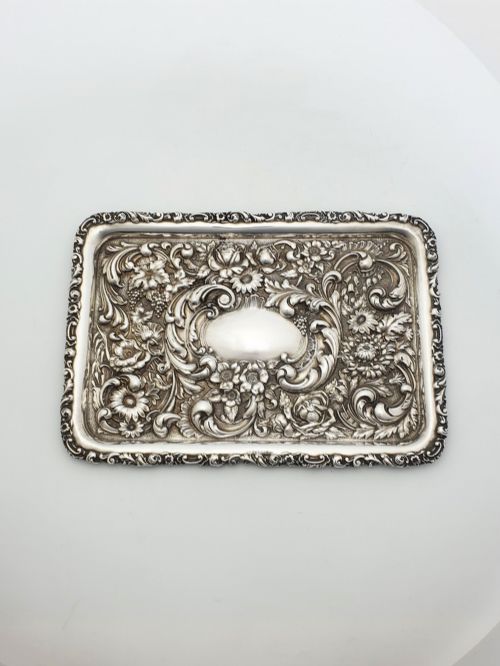
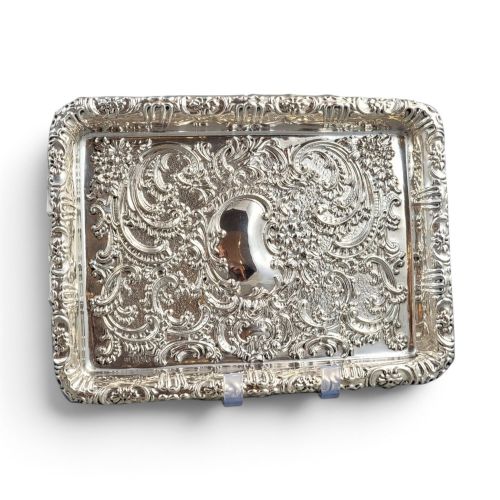
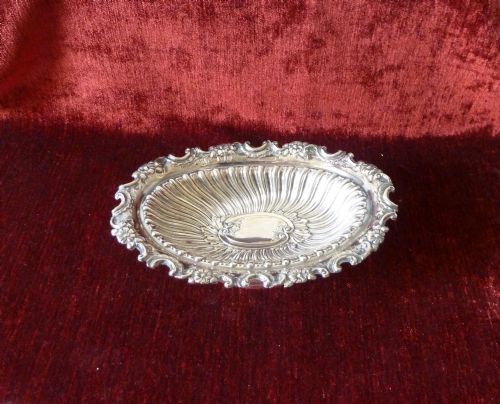
Makers shaped these items from sterling silver using traditional metalworking techniques, frequently incorporating decorative elements such as scroll leaf and gadrooned edges. Engraving also appears on the surface of card trays, adding intricate detail to the metal.
Assay offices struck official hallmarks directly into the sterling silver to verify the metal standard and year of production. Workshops such as those of Peter and Anne Bateman, E & J Barnard, and Barker Brothers utilised these standard manufacturing and marking practices.
A tiny silver teddy bear sits permanently on an ebony pincushion tray from Birmingham, guarding pins.
What varies in quality
The distinction between standard examples and the finest items lies in the crispness of the chasing, the delicacy of the engraving, and the presence of substantial weight. Superior pieces often feature sophisticated border work like gadrooning or figural ornamentation, such as cherubs.
The reputation of the maker also influences the standing of a piece within the range. Items produced by recognised silversmiths and retailers carry the weight of established workshops, distinguishing them from lesser-known makers.
Peter and Anne Bateman·Goldsmiths and Silversmiths·Harrods·E & J Barnard·Mappin and Webb·Hilliard and Thomason·Barker Brothers
The Hallmarked Silver Tray Glossary
- Hallmark
- Official marks stamped into precious metals to guarantee the fineness and origin. These marks typically include the maker's mark, standard mark, and date letter.
- Sterling silver
- An alloy containing a high proportion of pure silver by weight, standard for British domestic silverware. This material provides durability alongside a bright metallic lustre.
- Card tray
- A small domestic tray specifically utilised for presenting calling cards in a formal household. These items often feature raised rims and decorative surface engraving.
- Gadroon
- A decorative carved or embossed band consisting of continuous convex curves. This edge treatment appears frequently on the borders of trays.
Frequently Asked Questions
What is a hallmarked silver tray used for?
These trays served various practical functions in historical households depending on their specific form. Smaller versions held visiting cards, pins, or candle snuffers.
Larger variations with handles were designed for serving beverages or carrying heavier items. Their primary purpose combined utility with social display.
How do I read the hallmarks?
British hallmarks typically consist of a series of stamped symbols that reveal vital information about the piece. They usually show the maker's mark, the standard of the silver, and the assay office.
A date letter stamp is also included to identify the exact year the item was tested and marked. These official stamps provide a secure method for dating antique silver.
What periods do these trays come from?
The pieces span several distinct eras of British silversmithing history, starting from the Georgian period through to the Victorian era and the early twentieth century.
Each period brought distinct stylistic preferences, ranging from restrained George III designs to ornate Victorian engraving and figural work. These chronological shifts help collectors identify the age of an item.
How should I clean my silver tray?
Maintenance of sterling silver requires gentle cleaning methods to preserve the metal and any original engraving. Utilising a specialised silver cloth or mild polish removes tarnish without damaging the surface.
Harsh abrasive materials should be avoided to protect the integrity of the antique metal and hallmarks. Regular, careful upkeep keeps the silver bright.