




Sterling Silver Waiter
A sterling silver waiter is a small, versatile serving tray designed for carrying cups, glasses, and letters with elegance.
Sterling Silver Waiter
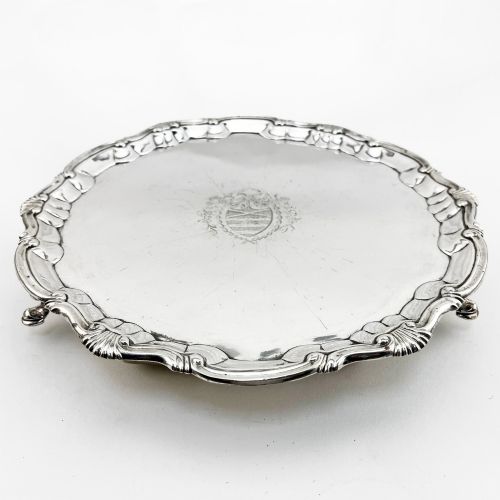
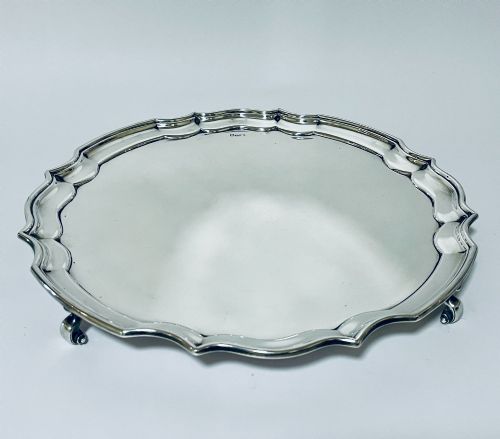
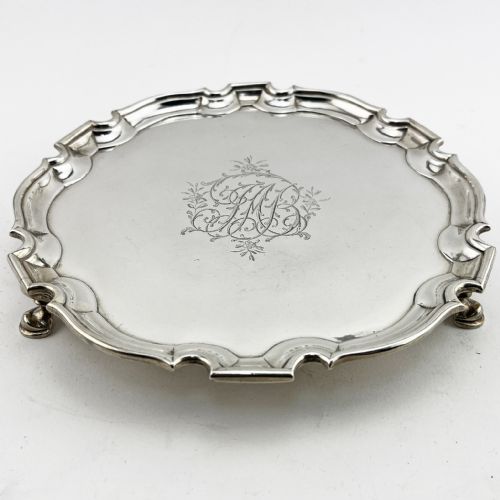
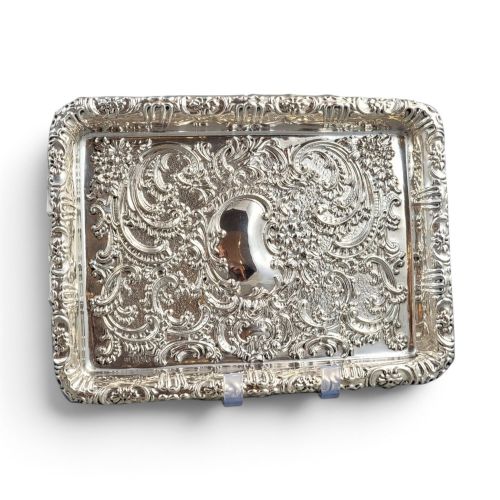
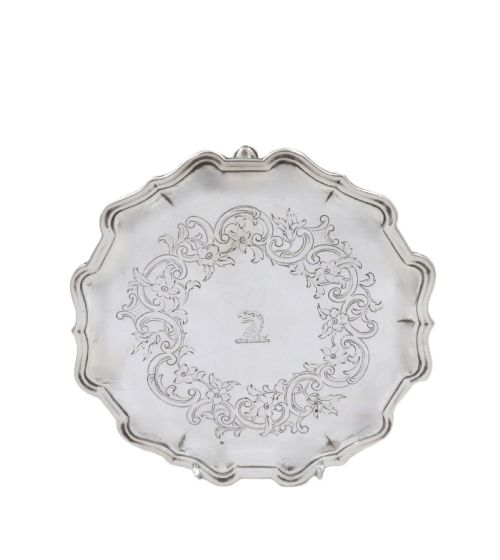
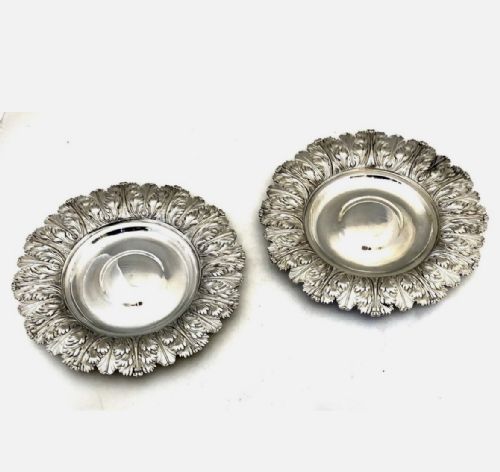
When you search for a sterling silver waiter, you are examining a compact serving tray designed for domestic use across several centuries. The pieces on this page span Georgian, Victorian, and later periods, capturing forms from simple card trays to elaborate footed salvers.
Most examples you will encounter are circular or square vessels made from sterling silver, frequently supported by small feet. They appear in styles ranging from plain Georgian surfaces to ornate Rococo Revival decoration and Art Deco geometric lines.
The selection includes specific regional variations, such as Irish and Indian Colonial pieces, alongside work by notable silversmiths. Whether designated as a salver, card tray, or paten, the core function remains a portable surface for domestic service.
Materials and construction
These pieces are constructed primarily from sterling silver, shaped through traditional silversmithing techniques such as raising from a flat sheet or casting. Wood occasionally forms a secondary structural element in specific tray designs.
Surface ornamentation relies on hand-chasing, engraving, and applied cast borders, which require precise skill to integrate into the silver body. Maker marks, date letters, and assay office stamps are typically struck directly into the metal to record origin and standard.
Sterling Silver Waiter Retail Price Guide 2026
Typical asking prices for sterling silver waiter among the pieces listed under this phrase on Sellingantiques today, from the lower quarter to the upper quarter. They describe what is for sale here now, not the wider market.
One exceptional tray carries tangible military lieutenant interest alongside its traditional domestic silver service duties.
Assessing quality and craftsmanship
Quality in a sterling silver waiter rests on the weight of the metal and the crispness of the chased or engraved detail. Heavier gauge silver provides a substantial feel in the hand and prevents flexing during use.
The finesse of the cast feet and borders distinguishes finer examples from standard production. Superior pieces display sharp, well-defined motifs without distortion from smoothing or polishing over time.
S.C. Younge & Co.·Robert Pringle & Sons·William Garrard·Charles Boyton·Samuel Hennell·Tiffany & Co.·James Fray·Paul Storr·Elizabeth Cooke·Magdalen Feline
The Sterling Silver Waiter Glossary
- Waiter
- A small serving tray or salver, typically with feet, used for carrying glasses, letters, or calling cards.
- Salver
- A flat plate or tray used for serving food or drink, often synonymous with larger waiter forms.
- Card tray
- A small ornamental tray left in hallways for receiving visiting cards during the eighteenth and nineteenth centuries.
- Paten
- A small plate, usually of silver, associated with ecclesiastical use or serving small items.
- Sterling silver
- An alloy consisting of ninety-two point five percent silver and seven point five percent other metals, usually copper.
Sterling Silver Waiter: Frequently Asked Questions
What is a sterling silver waiter used for?
These trays served primarily for presenting correspondence, visiting cards, or small glasses of wine and tea in formal households.
Today, they function as decorative display pieces or practical desktop trays for holding everyday items.
How do I clean a silver waiter?
Clean sterling silver using a specialised silver polish and a soft cloth, avoiding abrasive pads that scratch the metal surface.
Regular gentle washing in warm soapy water removes dust and oils without harming antique patination.
How can I tell the date of a silver tray?
British silver incorporates hallmarks that include a date letter indicating the exact year of assay and manufacture.
Additional marks show the maker's stamp, the city assay office, and the standard mark for sterling silver.
What is the difference between a tray and a salver?
Salvers generally refer to footed circular serving trays, whereas trays can be flat, unfooted, or fitted with carrying handles.
Older terminology often used waiter interchangeably with smaller footed salver designs.