



Georgian Candle Accessory
A georgian candle accessory brings functional elegance to evening lighting, combining period craftsmanship with practical domestic use.
Georgian Candle Accessory
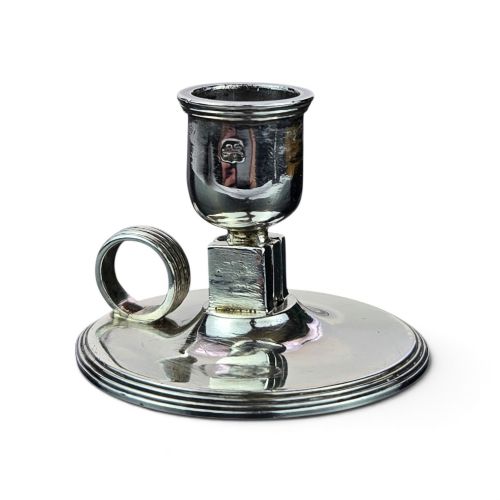
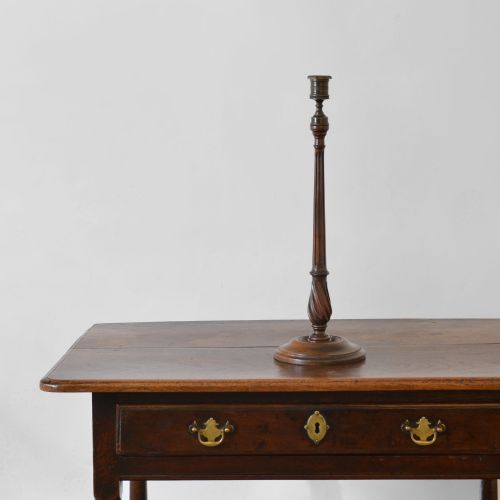
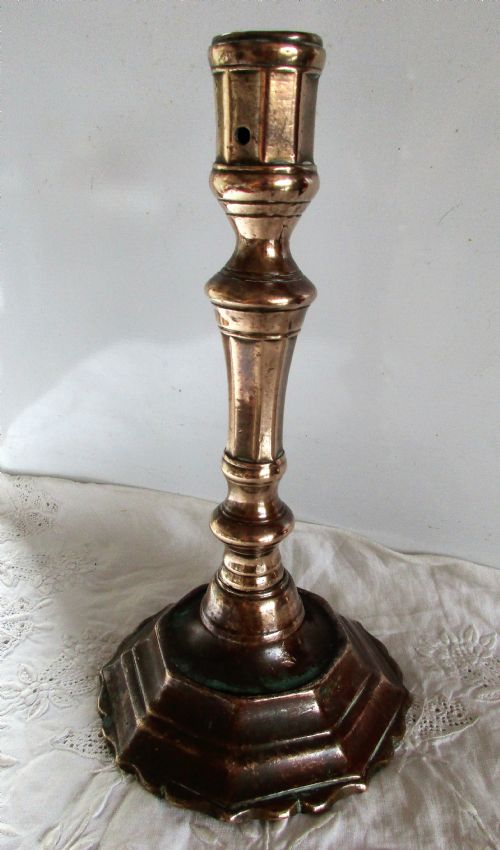
When searching for a georgian candle accessory, collectors encounter a diverse selection of lighting equipment designed for domestic use during the eighteenth and early nineteenth centuries. These items range from individual sticks and chambersticks to specialised trays, snuffers, and spill holders created to manage open flames before the advent of electric lighting.
The objects listed on this page span the georgian era and adjacent periods, taking forms such as tall candlesticks, telescopic designs, and hanging boxes. Materials include sterling silver, brass, copper, bronze, mahogany, wood, jasperware, and stoneware, reflecting the varied domestic requirements of past households.
How they were made
Makers utilised durable metals like sterling silver, brass, copper, and bronze, shaping them through casting, hammering, and plating techniques to form sturdy lighting apparatus. Silver and plated items often carried detailed hallmarks or specialised mechanisms, such as the spring action found on functional snuffers.
Woodworkers turned mahogany and other timbers on lathes to produce slender, upright forms for spill holders and tall candlesticks. Ceramicists shaped jasperware and stoneware into matching pairs of candlesticks, incorporating classical relief decoration into the body of the piece.
Georgian Candle Accessory Retail Price Guide 2026
Typical asking prices for georgian candle accessory among the pieces listed under this phrase on Sellingantiques today, from the lower quarter to the upper quarter. They describe what is for sale here now, not the wider market.
Current listings feature items from the georgian, 1800, 19th Century, 18th Century, and 1910 periods.
What varies in quality
The standard of execution depends heavily on the precision of the metalwork, the clarity of hallmarks, and the complexity of mechanical actions like springs in snuffers. Pieces bearing recognizable silversmith marks or demonstrating sophisticated engineering, such as telescopic adjustments, occupy the upper tier of the range.
Material choice and decorative depth further distinguish simpler items from finer examples, as seen in the contrast between plain turned wood and finely moulded jasperware or heavy cast bronze. The integrity of assembly and the preservation of original surfaces dictate the overall standing of each accessory.
Peter and Anne Bateman·Wedgwood
The Georgian Candle Accessory Glossary
- Chamberstick
- A short candlestick fitted with a wide drip pan and a handle, designed for carrying a light through a house. These portable items allowed residents to navigate dark corridors safely before fixed lighting.
- Snuffers
- Scissor-like implements equipped with a small box to trim and extinguish candle wicks. They kept flames burning cleanly by removing excess carbon buildup.
- Spill holder
- A small container designed to hold thin tapers of wood or paper known as spills. Residents used these tapers to transfer fire from a hearth to a candle or pipe.
- Telescopic
- A construction design allowing the stem of a candlestick to extend or contract in height. This mechanism offered adjustable illumination levels for desks and tables.
- Jasperware
- A type of fine stoneware developed with a matte surface, often featuring contrasting white neoclassical reliefs. It provided a decorative finish for ornamental pairs of candlesticks.
Georgian Candle Accessory: Frequently Asked Questions
What is a chamberstick used for?
A chamberstick provided a portable light source for moving through rooms in large houses at night. The attached saucer caught dripping wax while the handle kept fingers safe from the flame.
These pieces were kept in hallways or bedrooms for evening routines. Their wide bases made them stable when set down on bedside tables.
How do candle snuffers work?
Candle snuffers operated like a pair of scissors with an attached box or trough on one blade. The scissor action trimmed the charred wick while trapping the smoldering snip inside the box.
This mechanism prevented smoke and sparks from dirtying the room or the table surface. Many georgian examples featured spring-loaded actions for smooth operation.
How do I identify a georgian piece?
Georgian pieces are identified by their adherence to design styles popular during the reigns of the Georges, characterised by neoclassical lines and proportion. Silver items often feature clear hallmarks indicating the year of production and the maker.
Materials like sterling silver, brass, and mahogany were standard during this era. Examining the construction techniques helps separate these eighteenth-century items from later Victorian reproductions.