
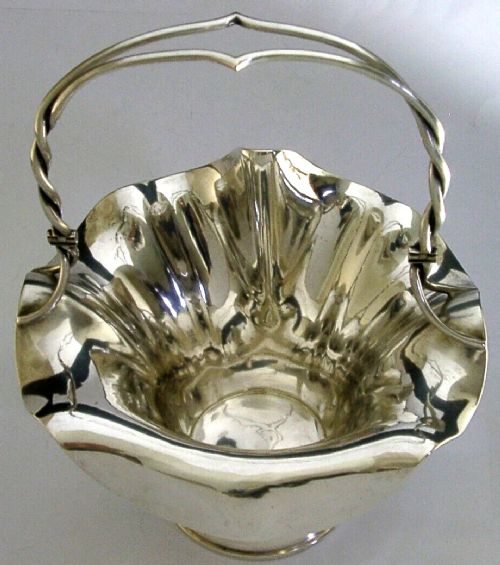
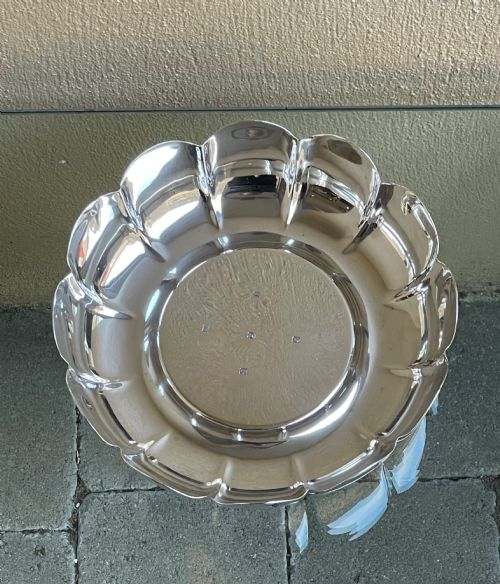
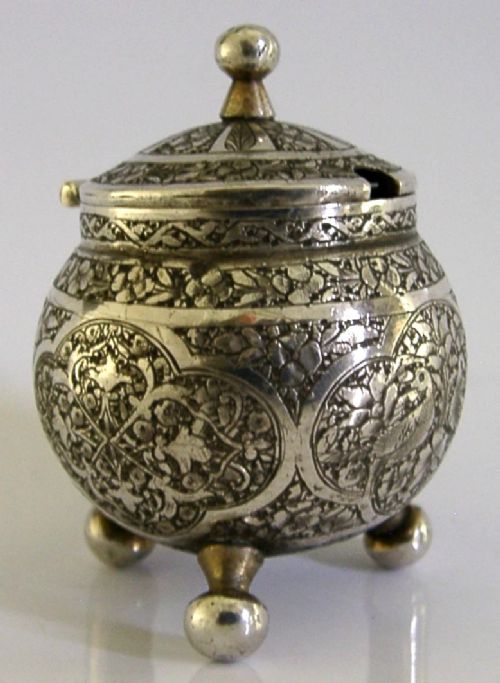
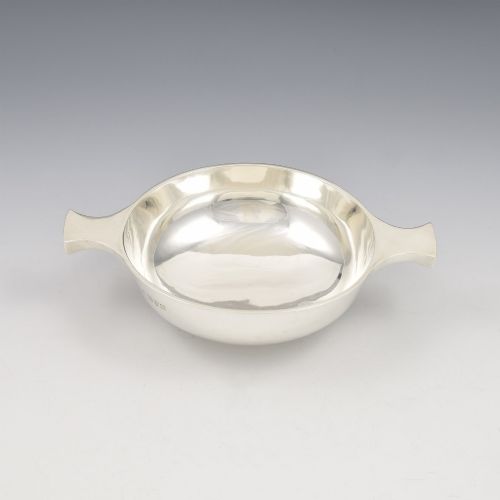
Solid Silver Dish
When you seek a solid silver dish, you enter a world of heavy dining service platters and delicate sweet bowls shaped across centuries.

Forms and Origins
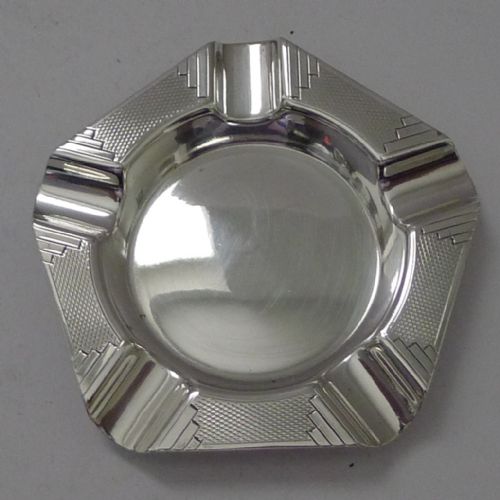
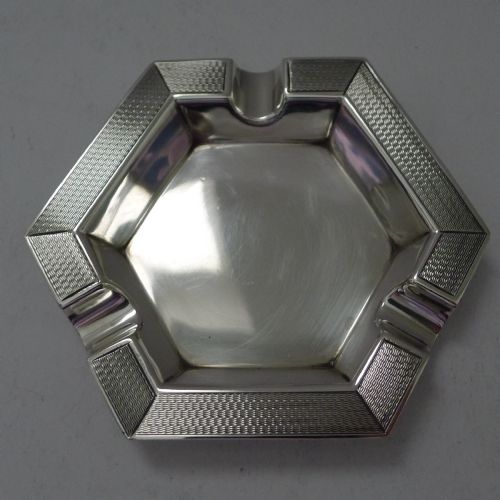
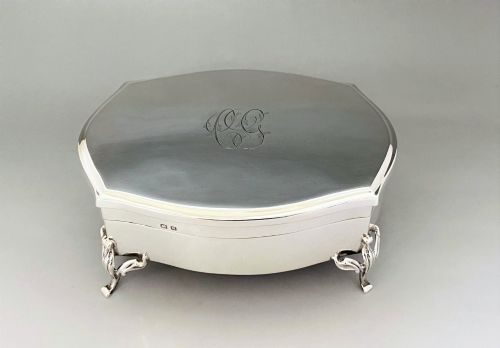
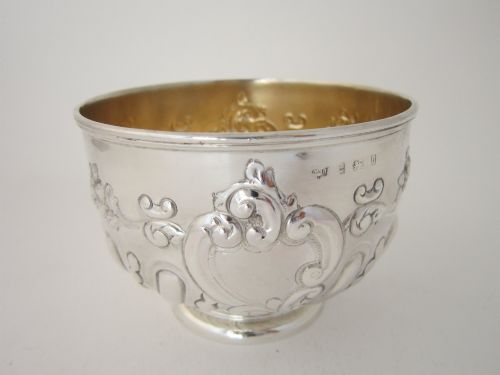
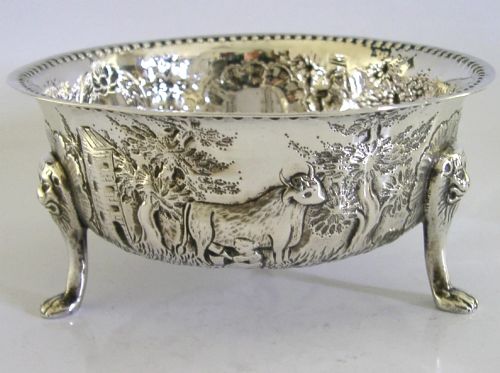
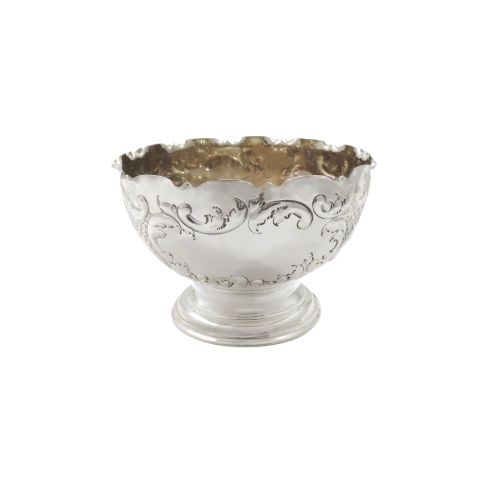
A solid silver dish encompasses a wide array of domestic and decorative silver objects, stretching from pedestal forms and platters to bon bon dishes and tazzas. The selection spans the 18th century, Victorian, Edwardian and mid-century periods, originating from English makers as well as continental European and Anglo-Indian workshops.
Buyers will encounter formal Georgian dining pieces alongside ornate Edwardian comports and Scandinavian revival designs. Formats range from large platters and fruit bowls down to small pin trays and novelty salt dishes.
Materials and Techniques
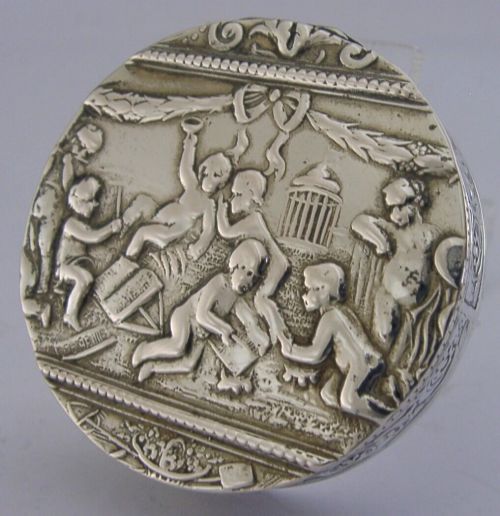
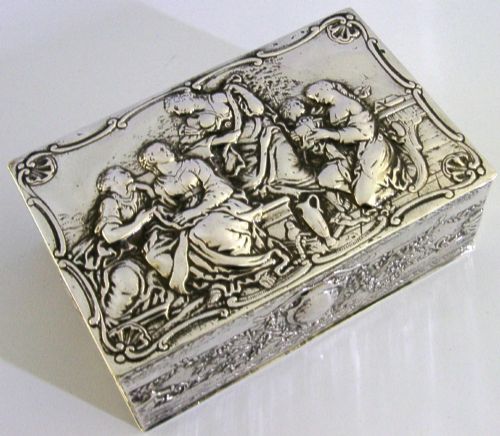
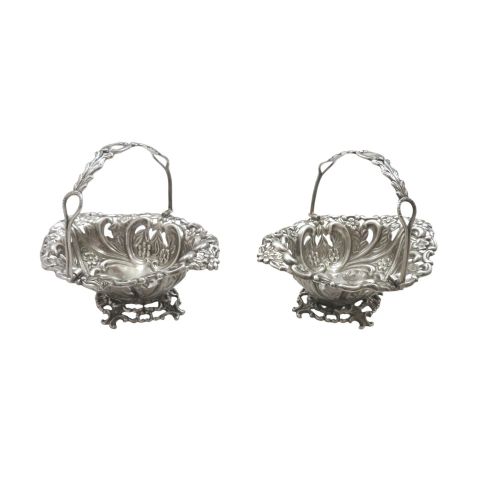
Objects are formed from sterling silver, silver alloys of varying fineness, and silver gilt, frequently paired with blue glass liners or coloured enamel work. Silversmiths utilised hammering, planishing, piercing and casting techniques to shape the metal into complex motifs such as leaves, shells, cherubs and spider webs.
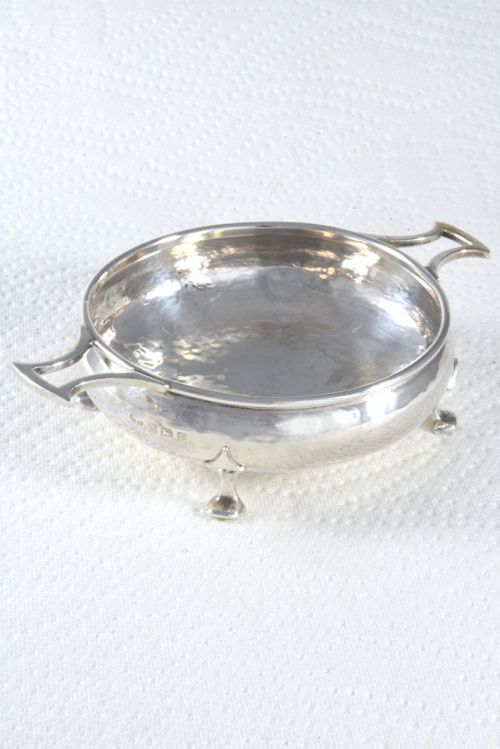
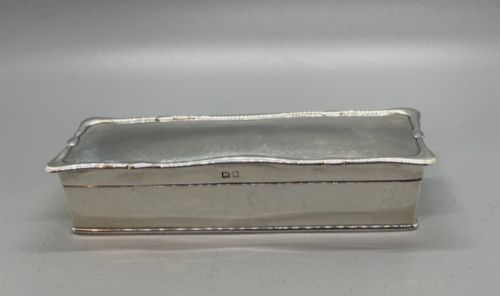
Heavier items show substantial weight through solid construction, while lighter pieces incorporate delicate pierced work and applied decorative borders. Continental and British pieces alike display hallmarks and standard marks stamped directly into the metal.
Retail Price Guide 2026
Typical UK retail prices for solid silver dish, calculated from the Sellingantiques database of over a million retail prices indexed since 2003. This retail price guide relies exclusively on Sellingantiques data; no external sources or auction records are used, so the figures do not describe the wider market.
Listings feature items from the 18th century, Victorian era, Edwardian period, and mid-century modern design.
Distinctions in Execution
Quality rests in the crispness of the chasing, the weight of the metal relative to the size of the vessel, and the integrity of any cast or pierced details. Master silversmiths achieved a superior balance in pedestal dishes and comports, where the foot and bowl maintain structural harmony and clean proportions.
Lesser pieces may exhibit repetitive stamped patterns with softened edges, whereas finer examples display hand-hammered planishing marks and detailed engraving that define the aesthetic of the period.
Robert Breading·Stephen Smith·Mary Sibley & Richard Sibley·Stanley G Morris
The Solid Silver Dish Glossary
- Comport
- A raised vessel on a pedestal, used for serving fruit or sweetmeats at the table. These pieces often feature decorative pierced rims.
- Tazza
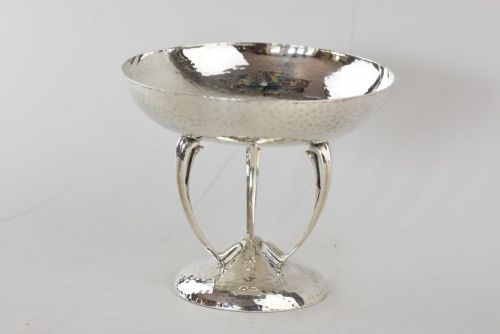
- A shallow saucer or bowl mounted on a stem and foot, originating as a ceremonial vessel for display or dining. Victorian and Edwardian examples are frequently seen.
- Planishing
- A smithing technique using a flat-faced hammer to smooth metal and leave a characteristic faceted texture across the surface. This method hardens the silver while creating a subtle finish.
- Paten
- A small shallow plate used for religious communion bread or wafers. They are typically plain or minimally decorated to suit sacred purposes.
- Dragestil
- The Scandinavian dragon style, inspired by Viking art and popular during the Arts and Crafts movement. It incorporates interlaced serpent and beast motifs into silver vessels.
Frequently Asked Questions
How can I tell a Georgian silver dish from a Victorian one?
Georgian dishes often display restrained classical lines, rococo scrollwork, or heavy cast shell details with crisp, hand-cut hallmarks.
Victorian and Edwardian pieces frequently embrace eclectic revival styles, heavier gauge metal, and more expansive decorative engraving.
Were these silver dishes used for dining or display?
Many larger platters, entree dishes and comports were created for active dining service on wealthy tables. Smaller trays, novelty pieces and bon bon dishes served specific domestic or decorative roles.
What does blue glass liner mean in a silver dish?
Some open-work or pierced silver bowls were fitted with a removable cobalt blue glass insert to hold liquids or small items safely.
This protected the silver from corrosive contents while adding a rich contrast of colour beneath the pierced metalwork.