

Sterling Silver Centrepiece
When you search for a sterling silver centrepiece, you seek a commanding focal point for a dining table created from precious metal.
Sterling Silver Centrepiece
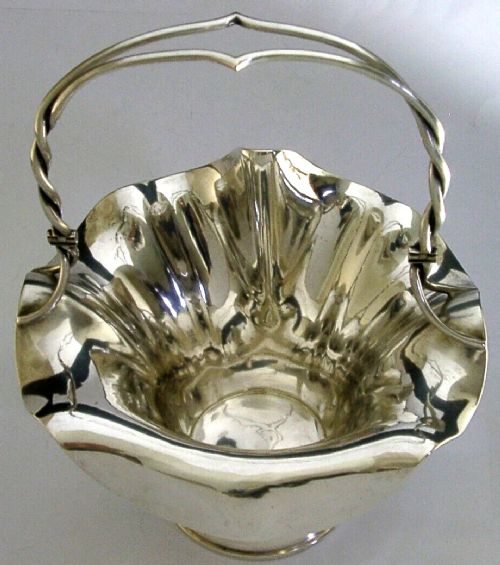
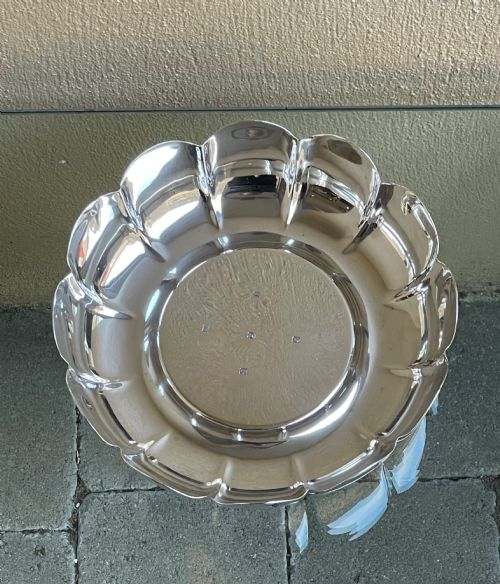
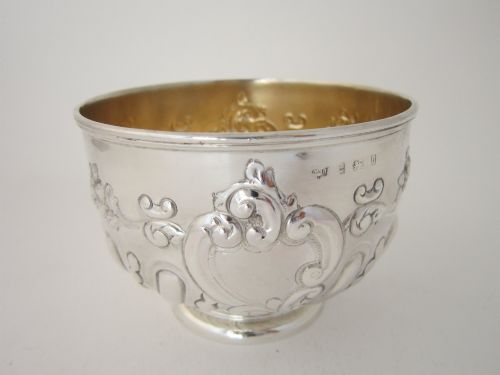
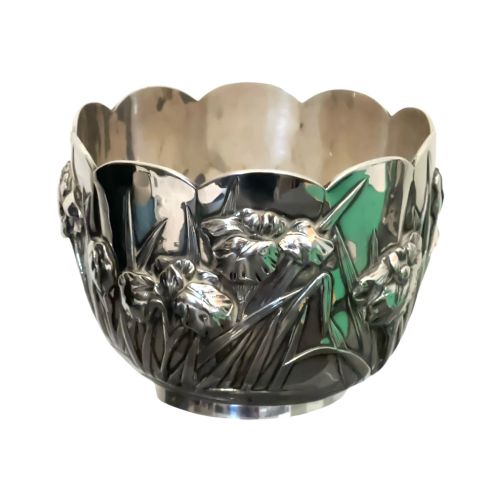
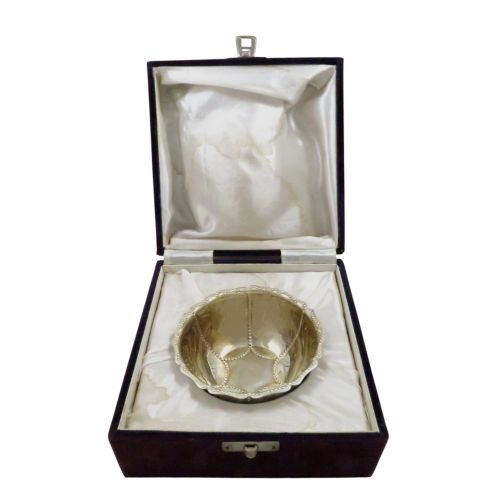
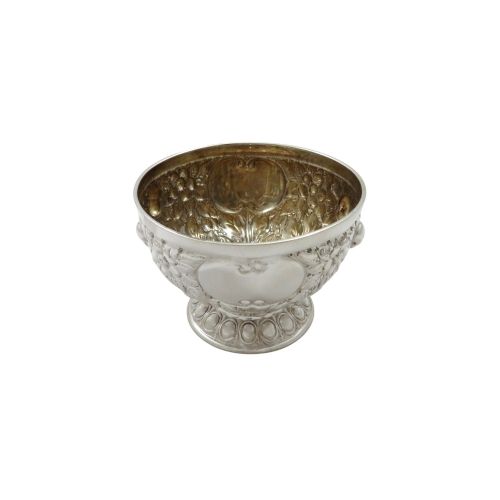
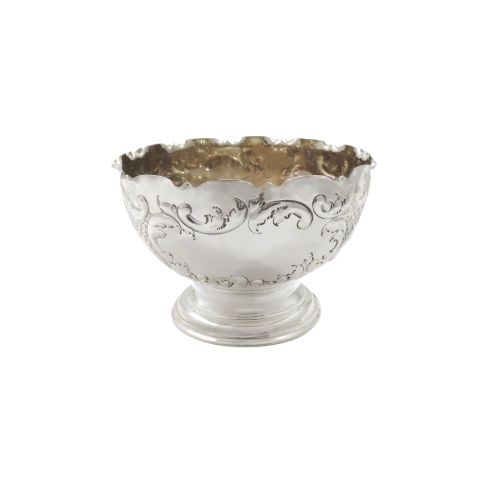
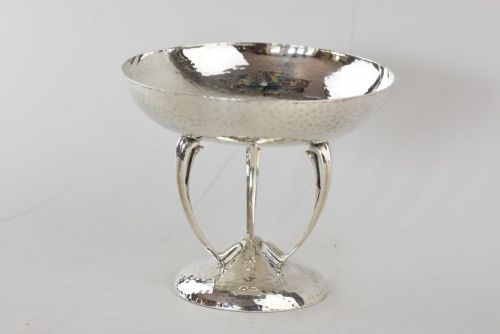
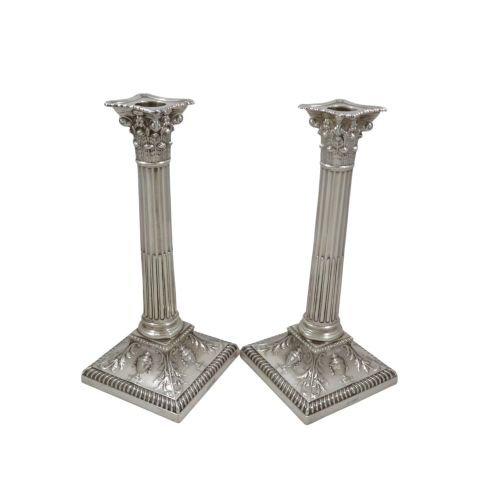
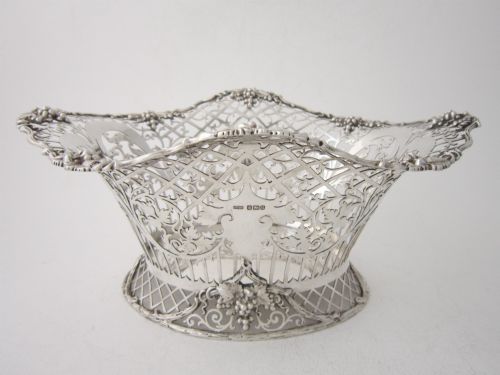
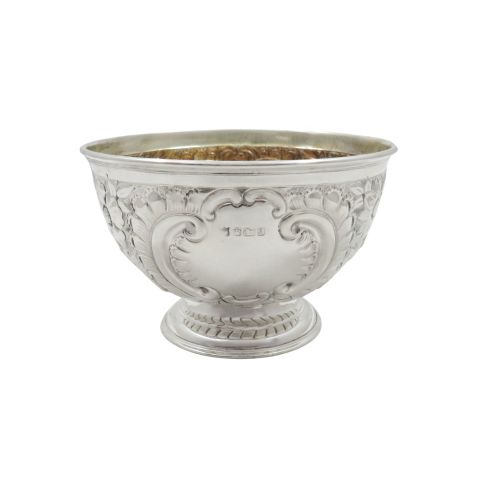
A sterling silver centrepiece functions as the principal decorative element on a dining table or sideboard, established during periods such as the Victorian, Edwardian, and George V eras. These items manifest in forms including large bowls, tazzas, baskets with swing handles, epergnes, and candelabra, often designed to hold fruit, flowers, or simply to display craftsmanship. The examples you encounter on this page span from late nineteenth-century Victorian presentations to mid-twentieth-century designs.
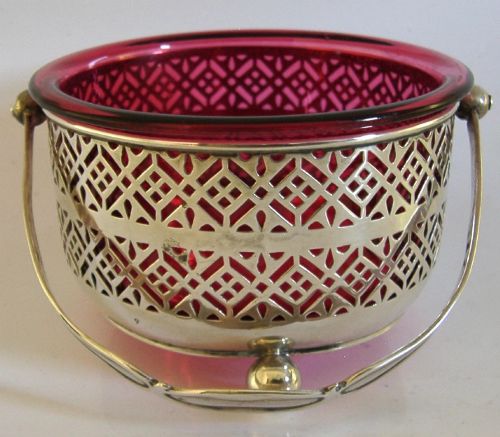
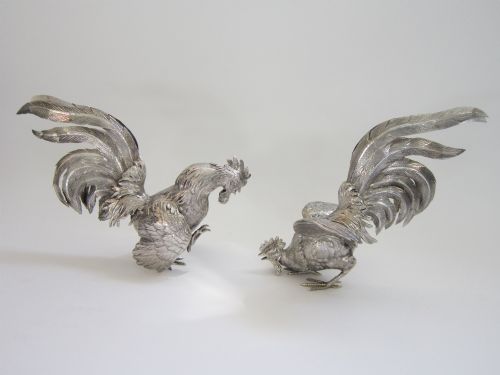
The most common form you will meet is the open bowl or footed tazza, alongside swing-handled baskets and multi-armed epergnes. Many incorporate fitted glass inserts, cranberry glass, or crystal liners designed to hold water or organic displays securely inside the metal framework. Others adopt sculptural elements, such as animalier figures or standing cockerels, functioning as standalone table ornaments rather than utilitarian vessels.
Materials and Construction Methods
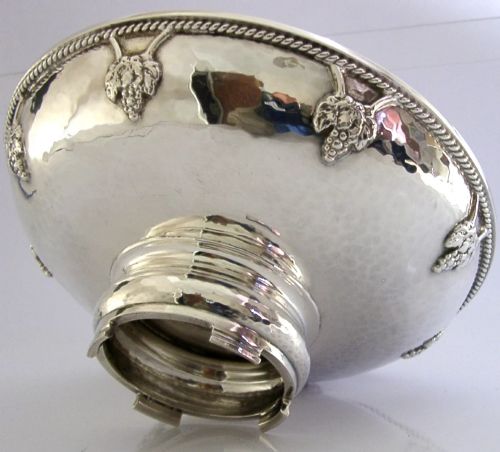
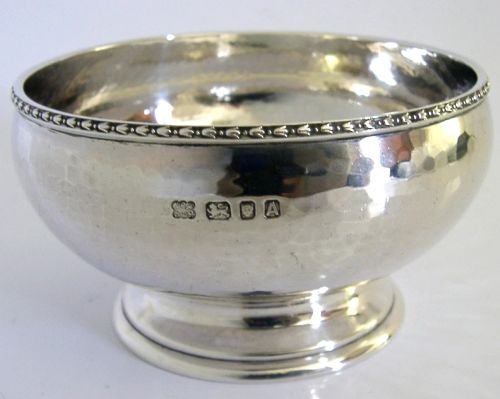
Silversmiths constructed these objects primarily from solid sterling silver, utilising heavier gauges of metal for substantial presentation pieces and trophies. Techniques such as hammering and planishing define the Arts and Crafts style pieces, leaving visible, tactile facets across the surface of the bowl. Repoussé and chasing methods appear frequently on Victorian and Edwardian items, pushing and punching the silver from behind to create high-relief floral and rococo scrollwork.
Combination with other materials forms an integral part of the manufacturing technique, particularly with cut glass, crystal, and cranberry glass inserts that slot into silver rims or baskets. Silver gilt and vermeil applications provide contrasting interior surfaces inside bowls and pedestals, whilst structural soldering joins separate components like pedestal feet, swing handles, and branch arms to the central body.
Sterling Silver Centrepiece Retail Price Guide 2026
Typical asking prices for sterling silver centrepiece among the pieces listed under this phrase on Sellingantiques today, from the lower quarter to the upper quarter. They describe what is for sale here now, not the wider market.
The listings on this site encompass periods from the eighteenth century through the Edwardian era up to the nineteen-sixties.
Evaluating Quality and Execution
The distinction between standard production and superior quality rests upon the weight of the metal and the depth of the hand-working. Heavy gauge silver resists distortion and maintains structural integrity over decades of handling, whereas thinner walls flex under pressure. Master silversmiths invested significant time in crisp chasing and repoussé, ensuring that floral motifs and animal details retain sharp definition rather than soft, flattened edges.
Integration between mixed materials also dictates overall standard, observing how precisely glass liners fit silver mounts and how securely candelabra branches attach to the main stem. Maker attribution plays a role in differentiation, where documented workshops and esteemed retail houses exercised superior standards of finishing, polishing, and hallmark placement compared to anonymous regional makers.
A E Jones·Goldsmiths and Silversmiths Company·Tiffany and Co·Nathan and Hayes·Charles Boyton·John Hunt·Walker and Hall·Mappin and Webb
The Sterling Silver Centrepiece Glossary
- Tazza
- A shallow bowl or dish mounted on a stemmed foot, frequently utilised for serving fruit or displaying confectionery on a dining table. These pieces often feature decorative rims and hammered surfaces.
- Epergne
- An elaborate table centrepiece featuring a central dish or basket surrounded by multiple smaller hanging baskets or arms for holding flowers, fruit, or sweetmeats. They dominate large dining settings from the Victorian and Edwardian periods.
- Repoussé
- A metalworking technique where the silversmith shapes the silver by hammering from the reverse side to form raised decorative patterns. This method is prominent in ornate nineteenth-century presentation pieces.
- Planished
- A surface texture created by systematic hammer blows applied with a polished round-faced hammer, leaving subtle, overlapping facets. Collectors associate this finish closely with Arts and Crafts silverwork.
- Animalier
- A genre of nineteenth and twentieth-century art focusing on the realistic portrayal of animals, applied here to sculptural silver figures of stags or cockerels. Such pieces serve as decorative table ornaments.
Sterling Silver Centrepiece: Frequently Asked Questions
What is an epergne centrepiece?
An epergne is a multi-tiered table ornament featuring a central vessel supported by several detachable arms or subsidiary baskets. They were designed to hold flowers, fruit, or sweetmeats during formal Victorian and Edwardian dining.
The branching structure allowed hosts to create high, elaborate arrangements that commanded attention across large dining rooms without obstructing conversation across the table.
How were centrepieces used originally?
These large silver objects occupied the middle of the dining table to anchor the tablescape during formal meals. They held fresh fruit, flowers, or confectionery, or served as presentation trophies awarded for achievements.
Over time, their primary function shifted from active dining service to decorative display on sideboards, buffets, and central tables.
How do I care for sterling silver?
Sterling silver benefits from regular, gentle dusting with a soft microfibre cloth to prevent airborne dust accumulation. When cleaning becomes necessary, use a dedicated silver polish applied sparingly to avoid removing fine chasing or raised details.
Keep pieces away from direct heat sources and rubber bands, which can cause chemical tarnishing, and store them in dry, stable environments.
Can glass liners be replaced?
Original glass liners and cranberry glass inserts are custom-fitted to each silver basket or bowl during manufacture. Finding an exact replacement that matches the precise mouth diameter and depth can prove challenging if an original liner breaks.
When purchasing a piece that incorporates glass, verifying the presence of the original liner preserves both historical integrity and everyday utility.